 EN
EN

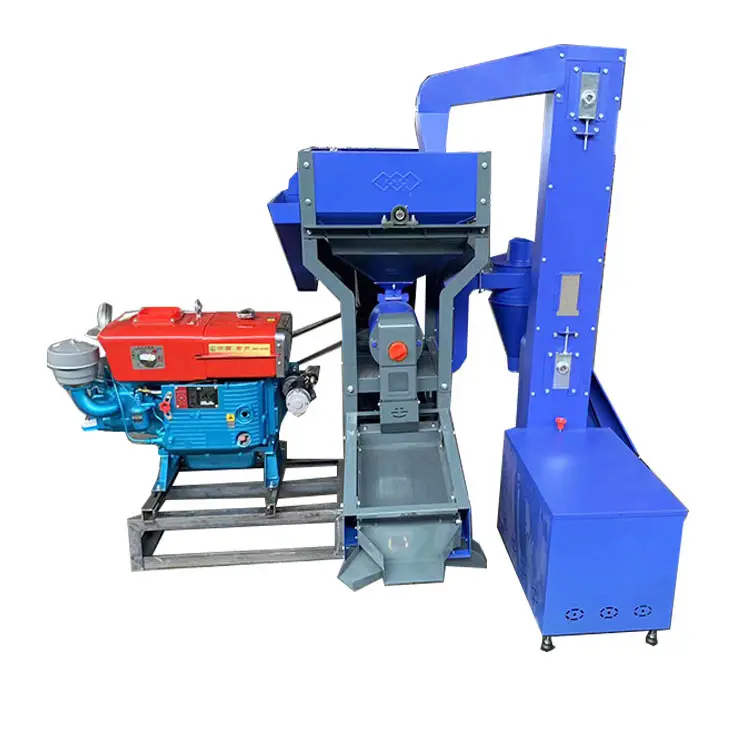
Სწორი მტვნის მილინგის აღჭურვილობის შერჩევა თანამედროვე სასოდოვრეო საქმიანობის წინაშე стომ ერთ-ერთი ყველაზე მნიშვნელოვანი გადაწყვეტილებაა. მსოფლიოში მტვნის წარმოების 500 მილიონზე მეტი ტონის გათვალისწინებით წელიწადში, მილინგის პროცესების ეფექტიანობა და ხარისხი პირდაპირ აისახება მოგებიანობაზე, პროდუქტის ხარისხზე და ბაზარზე კონკურენტუნარიანობაზე. მეწერლებმა უნდა გაერკვნენ რთული მომენტები, როგორიცაა დამუშავების სიმძლავრე და ტექნიკური სპეციფიკაციები, როდესაც ინვესტირებენ მტვნის მილინგის აღჭურვილობაში, რომელიც წლების განმავლობაში უზრუნველყოფს მათ საქმიანობას.
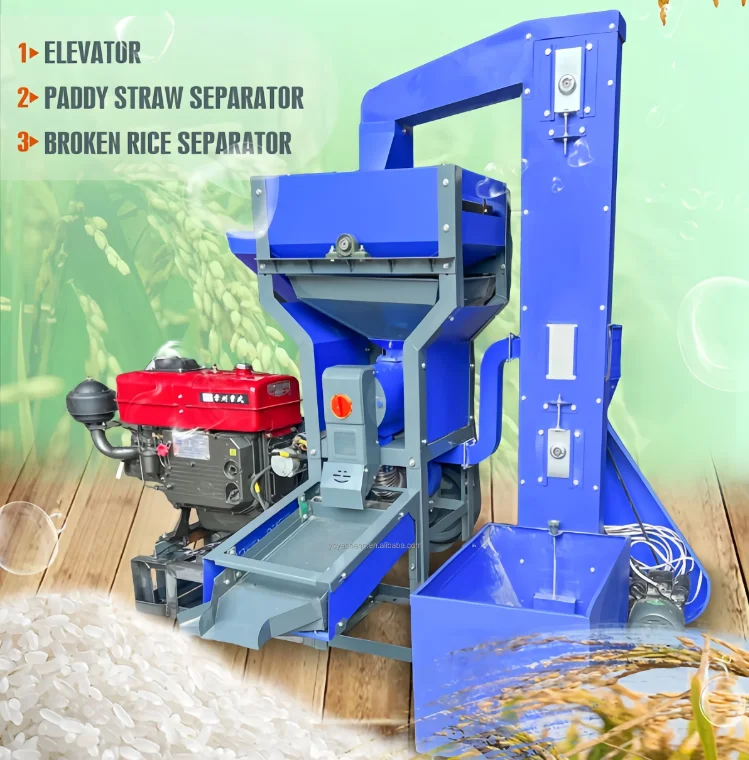
Დამუშავების სიმძლავრის მოთხოვნების გაგება
Წარმოების მოცულობის მოთხოვნების განსაზღვრა
Შესაბამისი რქის დასამუშავებელი მოწყობილობის შერჩევის საფუძველი წარმოადგენს თქვენი წარმოების მოცულობის მოთხოვნების ზუსტად შეფასება. პატარა მასშტაბის მეურნეები, რომლებიც დღეში დამუშავებენ 1-5 ტონას, სრულიად განსხვავებულ მანქანა-მოწყობილობებს სჭირდებათ იმ კომერციული ოპერაციებისგან, რომლებიც დღეში 50-100 ტონას ამუშავებენ. მოსავლის მოცულობის სეზონური რყევების გაგება ხელს უწყობს განსაზღვრას, არის თუ არა ცვალადი სიმძლავრის მოწყობილობა ან მოდულური სისტემები გრძელვადიანი ღირებულების უმჯობესი მომტანი. ბევრი წარმატებული ოპერაცია თავისი საწყისი სიმძლავრის მოთხოვნების 20-30%-ით გადაადებს მომავალი ზრდისა და პიკური დამუშავების პერიოდების გათვალისწინებით.
Წარმოების დაგეგმვა მცირე მოცულობის გამოთვლებს გადააჭარბებს და შეიცავს დამუშავების პერიოდებს და შენახვის შეზღუდვებს. მაღალი შემოსავლის სეზონები ხშირად შეამსუბუქებს დამუშავების ვადებს, რაც მოითხოვს რქის მილინგის მანქანების გამძლეობას მაღალი ტემპების დროს ხარისხის შენარჩუნებით. ისტორიული შემოსავლის მონაცემებისა და გაფართოების პროექტების ანალიზი უზრუნველყოფს იმას, რომ მანქანებში ინვესტიციები შეესაბამებოდეს როგორც მიმდინარე ოპერაციებს, ასევე სტრატეგიულ ზრდის მიზნებს.
Ეფექტიანობის მაჩვენებლების შეფასება
Თანამედროვე რქის მილინგის მანქანების ეფექტიანობა მოიცავს რამდენიმე შესრულების მაჩვენებელს მარტივი გამტარობის გაზომვების მიღმა. მთავარი რქის მოსავალი, რომელიც ზომავს დამუშავების შემდეგ მთელი კვერცხების პროცენტს, პირდაპირ ზეგავლენას ახდენს პროდუქის ღირებულებაზე და ბაზარზე განთავსებაზე. პრემიუმ მანქანები ჩვეულებრივ აღწევს 65-75%-იან მთავარ რქის მოსავალს, ხოლო დაბალი ხარისხის მანქანები შეიძლება მხოლოდ 55-65%-მდე მიაღწიოს, რაც მნიშვნელოვნად ზეგავლენას ახდენს შემოსავლის პოტენციალზე.
Ენერგომოხმარების შაბლონები წარმოადგენს კიდევ ერთ მნიშვნელოვან ეფექტურობის მაჩვენებელს, რომელშიც საქონლის დამუშავების მაღალი ტექნოლოგიის მოწყობილობები იყენებენ ცვალადი სიჩქარის მართვას და ოპტიმიზებულ ჰაერის მიმოქცევის სისტემებს ექსპლუატაციის ხარჯების შესამსუბუქებლად. სხვადასხვა მარცვლოვანი რუჯის ჯიშებისა და ტენიანობის დონის გადამუშავების მუდმივობა ასახავს მოწყობილობის მრავალმხრივობას და საიმედოობას, რაც აუცილებელია სეზონის განმავლობაში სხვადასხვა სახის მარცვლეულის დამუშავების მქონე საწარმოებისთვის.
Ხარისხის კონტროლი და გამოტანის სტანდარტები
Დამუშავების სიზუსტე და მუდმივობა
Ხარისხის კონტროლის შესაძლებლობები არის ის, რაც არჩევს პროფესიონალური კლასის რუჯის დამუშავების მოწყობილობებს საბაზო მანქანების ვარიანტებისგან. მაღალი ტექნოლოგიის დამუშავების სისტემები ითვალისწინებს სიზუსტის წნეხის მართვას და გასფეთქვად გასათეთრებელ კამერებს, რათა მიღწეულ იქნეს მუდმივი პოლირების დონე და შემცირდეს მარცვლების დაზიანება. ეს თვისებები განსაკუთრებით მნიშვნელოვანი ხდება პრემიუმ ჯიშების რუჯის დამუშავებისას, სადაც გარეგნული ხასიათი და ტექსტურა უფრო მაღალ ბაზრულ ფასებს იწვევს.
Მუდმივი ხარისხის გარანტირებისთვის საჭიროა რქის მილინგის აღჭურვილობა, რომელიც მყარი დაყოფისა და გრადაციის შესაძლებლობებით აღჭურვილია და პროცესშია ინტეგრირებული. თანამედროვე სისტემები იყენებენ გრავიტაციულ სეპარატორებს, სიგრძის გრადატორებს და ოპტიკურ სორტირების მოწყობილობებს, რათა ავტომატურად აცალონ შესვენებული მარცვლები, უცხო მასალები და დაბინძურებული მარცვლები. ხარისხის კონტროლის სრულფასოვან მახასიათებლებში ინვესტირება ხშირად აღარ მოითხოვს ხელით სორტირების ხარჯებს და უზრუნველყოფს პრემიუმ ფასების მიღების შესაძლებლობას.
Აბიჭვის პრევენციის სისტემები
Სურსათის უვნებლობის სტანდარტები მოითხოვს რქის მილინგის აღჭურვილობას, რომელიც პირველ რიგში აბიჭვის პრევენციაზეა ორიენტირებული. დახურული დამუშავების კამერები, გასუფთავებადი ზედაპირები და მტვრის შეგროვების სისტემები მინიმუმამდე ამცირებს გადაცემის რისკს და შენარჩუნებს ჰიგიენურ გარემოს. დამუშავების გაგრძელებული პროცესების დროს უცხო მასალების შემოღების თავიდან ასაცილებლად გამოიყენება ნაღვლისებური ფოლადის კონსტრუქცია და დახურული ლოდის ასამბლეები.
Ეფექტური დაბინძურების კონტროლი ვრცელდება შენახვის და მასალის მართვის სისტემებზე, რომლებიც ინტეგრირებულია პირველადი გადამუშავების მოწყობილობებთან. პნევმატიკური ტრანსპორტირების სისტემები და დახურული სილოსები აღმოფხვრის ხელით მართვის პუნქტებს, სადაც ჩვეულებრივ ხდება დაბინძურება. თანამედროვე რისის მუშავის მოწყობილობები increasingly ინკორპორირებენ ავტომატიზირებულ საცდელი სისტემებს და ხარისხის მუდმივ მონიტორინგს, რათა ადრე გამოავლინონ დაბინძურების პოტენციური პრობლემები, სანამ ის გავლენას ახდენს მთელ პროდუქტის პარტიებზე.
Ეკონომიკური გათვალისწინებები და ინვესტიციის დაბრუნება
Საწყისი კაპიტალური მოთხოვნები
Რისის მუშავის მოწყობილობებისთვის ბიუჯეტის დაგეგმვა მოითხოვს სრულიად დეტალურ ღირებულების ანალიზს, რომელიც ვრცელდება საწყისი შეძენის ფასების მიღმა. მონტაჟის მოთხოვნები, განსაკუთრებით ელექტრო ინფრასტრუქტურა, ბეტონის საფუძვლები და ვენტილაციის სისტემები, შეიძლება დაამატოს 25-40% მოწყობილობების საბაზო ღირებულებას. ბევრი ოპერაცია ამ დამხმარე ხარჯების შეფასება დაბალად აფასებს, რაც განხორციელების ეტაპებზე ქმნის ნაღდი ფულის მიმოქციის სირთულეებს.
Რქის მუშავის აღჭურვილობისთვის დაფინანსების ვარიანტები შეიცავს ტრადიციულ საკრედიტო სესხებს, ლიზინგ-ყიდვის შეთანხმებებს და სახელმწიფო სოფლის მეურნეობის განვითარების პროგრამებს. სხვადასხვა დაფინანსების სტრუქტურის ფარგლებში საკუთრების სრული ღირებულების შედარება ეხმარება ოპტიმალური შეთანხმებების განსაზღვრაში, გადასახადების გათვალისწინებით, ნაღდი ფულის მიმოქცევის მახასიათებლებით და აღჭურვილობის ამორტიზაციის გრაფიკებით. ზოგიერთი მწარმოებელი საკუთარი დაფინანსების საშუალებას იძლევა შესაბამისი სოფლის მეურნეობის ოპერაციებისთვის შესაფერისი პირობებით.
Ექსპლუატაციის ხარჯების ანალიზი
Გრძელვადიანი რენტაბელობა მნიშვნელოვნად დამოკიდებულია რქის მუშავის აღჭურვილობის საკუთრებასთან დაკავშირებულ მიმდინარე ექსპლუატაციურ ხარჯებზე. ენერგომოხმარება ჩვეულებრივ წარმოადგენს უდიდეს მიმდინარე ხარჯს, რაც ეფექტიანობის რეიტინგებს და სიმძლავრის მოთხოვნების სპეციფიკაციებს განსაკუთრებით მნიშვნელოვან შეფასების კრიტერიუმად ქმნის. თანამედროვე აღჭურვილობა ცვალადი სიხშირის გადაცემებით და ოპტიმიზებული დამუშავების ალგორითმებით შეიძლება შეამციროს ენერგოხარჯები 15-25%-ით შედარებით ფიქსირებული სიჩქარის ალტერნატივებთან.
Მომსახურების ხარჯები და ნავთობების ხელმისაწვდომობა მნიშვნელოვნად ზეგავლენას ახდენს საკუთრების სრულ ხარჯებზე, რომლებიც ჩვეულებრივ გრძელდება 15-20 წლის განმავლობაში. დამკვიდრებული მწარმოებლები, რომლებსაც აქვთ მსხვილი დილერთა ქსელი, უზრუნველყოფენ უკეთეს გრძელვადიან მხარდაჭერას ახალ ან იმპორტირებულ ალტერნატივებთან შედარებით, რომლებსაც არ აქვთ ადგილობრივი სერვისული ინფრასტრუქტურა. რეგულარული მომსახურების პროგრამები და პრევენციული ნაწილების ჩანაცვლების გრაფიკი ეხმარება მაღალი საიმედოობის მიღწევას და გადაუხადის დაგეგმაველ შეჩერებებთან დაკავშირებული ხარჯების მინიმიზებას.
Ტექნოლოგიების ინტეგრაცია და ავტომატიზაციის ფუნქციები
Კონტროლის სისტემის შესაძლებლობები
Თანამედროვე საქანელი საქანაში ყვითის დამუშავების აღჭურვილობა ზრდის სირთულის მქონე კონტროლის სისტემების ჩართვას, რაც საშუალებას აძლევს ზუსტად მართოს პროცესის პარამეტრები და ავტომატურად გაასწოროს ხარისხი. პროგრამირებადი ლოგიკური კონტროლერები შეხებადი ეკრანის ინტერფეისებით საშუალებას აძლევს ოპერატორებს შექმნან ინდივიდუალური დამუშავების პროფილები სხვადასხვა სახის ბრინზისთვის და შეცვალონ პარამეტრები ტენიანობის ცვალებადობის მიხედვით. ეს მაღალი დონის კონტროლი ამცირებს ოპერატორის კვალიფიკაციის მოთხოვნებს და აუმჯობესებს დამუშავების ერთგვაროვნებას.
Მოწყობილობების დისტანციური მონიტორინგი საშუალებას აძლევს ოპერაციების მართვას მიმდინარეობის ადგილიდან გარეთ რისის მილინგის და გარკვეული აპარატურა სმარტფონის აპლიკაციებისა და ვებ-დაფების მეშვეობით. მომსახურების მოთხოვნების, ხარისხის გადახრების ან ოპერაციული ანომალიების შესახებ რეალურ დროში გაგზავნილი შეტყობინებები ხელს უშლის ძვირადღირებულ გამართვებს და პროდუქტის ხარისხის პრობლემებს. სამეურნეო მართვის პროგრამულ უზრუნველყოფასთან ინტეგრაცია უზრუნველყოფს მთლიან წარმოების თავისუფალი დათვალიერებას და საწყობის მართვის შესაძლებლობებს.
Მასშტაბირებადობა და მოდულური დიზაინი
Წინსვლისმომადეგი აღჭურვილობის შერჩევა გათვალისწინებს მასშტაბირებადობის მოთხოვნებს, რადგან სოფლის მეურნეობის ოპერაციები ივითარება და ვრცელდება. მოდულური რქის მუშავების აღჭურვილობის დიზაინი საშუალებას აძლევს ინკრემენტულად გაზარდოს სიმძლავრე მთლიანი მუშავების ხაზების ჩანაცვლების გარეშე, რაც ზრდად მომსახურებებს აძლევს ლაგის სიბილის. სტანდარტიზებული შეერთების ინტერფეისები და თავსებადი კონტროლის სისტემები უზრუნველყოფს დამატებითი მუშავების მოდულების უპრობლემო ინტეგრაციას წარმოების მოთხოვნების ზრდასთან ერთად.
Არსებული აღჭურვილობის განახლების მარშრუტები დაცვის ქვეშ აყენებს საწყის ინვესტიციებს, რაც უზრუნველყოფს ტექნოლოგიური განვითარებების ინტეგრაციას. ბევრი მწარმოებელი სთავაზობს რეტროფიტის პაკეტებს, რომლებიც ამატებენ ავტომატიზაციის ფუნქციებს, ხარისხის მონიტორინგის სისტემებს ან სიმძლავრის გაძლიერებას ძველ აღჭურვილობის პლატფორმებზე. განახლების პოტენციალის შეფასება საწყისი აღჭურვილობის შერჩევისას უზრუნველყოფს გრძელვადიან ღირებულების შენარჩუნებას და ოპერაციულ ლაგის სიბილის.
Მომსახურების მოთხოვნები და Სერვისი Მხარდაჭერა
Პრევენტიული მენტენანსის პროგრამები
Ნაყოფიერი მარცვლის გადამუშავების მოწყობილობის წარმატებული ექსპლუატაცია დამოკიდებულია სრული პრევენციული მოვლის პროგრამებზე, რომლებიც მოიცავს როგორც მიმდინარე მოვლის მოთხოვნებს, ასევე კომპონენტების ჩანაცვლების განრიგს. ყოველდღიური მოვლის ამოცანები, როგორიცაა სუფთავება, სმეხვარება და საბაზისო შემოწმები, ამცირებს ადრეულ ისტვირებას და უზრუნველყოფს ოპტიმალურ გადამუშავების შესრულებას. მოვლის სირთულისა და დროის მოთხოვნების გაცნობიერება ხელს უწყობს შესაბამისი სამუშაო ძალის დონის და კვალიფიკაციის განვითარების საჭიროების განსაზღვრაში.
Სეზონური მოვლის პროცედურები მზადყავს მარცვლის გადამუშავების მოწყობილობები გრძელვადიანი შენახვისთვის ან ინტენსიური მასაობრივი სეზონის ექსპლუატაციისთვის. მოწყობილობის შესაბამისი შენახვა უაქტიურობის პერიოდში ახდენს კოროზიის, სანათურების დახრობის და პატარა მწერების შეღწევის პრევენციას, რაც შეიძლება გამოიწვიოს ძვირადღირებული რემონტი. მწარმოებლის რეკომენდებული მოვლის განრიგი არის კომპონენტების ჩანაცვლების დროისა და მოვლის ინტერვალების მიმართ მითითებების წყარო სამუშაო საათებზე და გადამუშავების მოცულობებზე დაფუძნებულად.
Ტექნიკური მხარდაჭერა და ტრენინგი
Მოწყობილობების მწარმოებლების მიერ გაწეული კომპლექსური ტექნიკური მხარდაჭერა უზრუნველყოფს ოპტიმალურ შესრულებას მთელი ოპერაციული ციკლის განმავლობაში. მომხმარებლის საწყისი სწავლების პროგრამები, რომლებიც მოიცავს უსაფრთხოების პროცედურებს, ოპერაციულ საუკეთესო პრაქტიკებს და საბაზისო შეცდომების გამოსწორების უნარებს, ეხმარება მოწყობილობების შესაძლებლობების მაქსიმალურად გამოყენებას და მინიმუმამდე შემცირებას ოპერაციულ რისკებს. ტელეფონის მეშვეობით კონსულტაციების, საველე სერვისული ვიზიტების და ონლაინ რესურსების საშუალებით ხდება მუდმივი ტექნიკური მხარდაჭერა, რაც უზრუნველყოფს ოპერაციულ ეფექტიანობას და თავიდან აცილებს ძვირადღირებულ შეცდომებს.
Ნაწილების ხელმისაწვდომობა და მიტანის ვადები პირდაპირ ზეგავლენას ახდენს მოწყობილობების შეჩერების ხანგრძლივობაზე მაშინ, როდესაც მოსავლის დროს დაგვიანებები მნიშვნელოვან ფინანსურ ზარალს იწვევს. ადგილობრივ დილერებთან ურთიერთობების დამყარება და მნიშვნელოვანი ნაწილების საწყობის შენარჩუნება ხელს უწყობს სერვისული შეფერხებების მინიმუმამდე შემცირებაში. ზოგიერთი ოპერაცია სარგებლობს წლიური სერვისული ხელშეკრულებებით, რომლებიც უზრუნველყოფს პრიორიტეტულ მხარდაჭერას და ფასდაკლებას ნაწილებზე რქის დამუშავების მოწყობილობების მოვლის მოთხოვნებისთვის.
Გარემოზე გამოწვევა და სინათლე
Ენერგოეფექტურობის სტანდარტები
Გარემოსდაცვითი ნორმები და მდგრადობის ინიციატივები მნიშვნელოვნად ზემოქმედებს რისის მუხლის დამუშავების მოწყობილობების არჩევანზე თანამედროვე სასოფლო-სამეურნეო ოპერაციებისთვის. ენერგოეფექტური კონსტრუქციები, რომლებიც შეიცავს მაღალი ეფექტურობის ძრავებს, ოპტიმიზებულ ჰაერის მიმოქცევის სისტემებს და თბოს აღდგენის შესაძლებლობებს, ამცირებს ექსპლუატაციის ნახშირბადის სიარულს და ელექტროენერგიის ხარჯებს. ბევრ რეგიონში გათვალისწინებულია სტიმულები ან საგადასახადო კრედიტები იმ მოწყობილობებისთვის, რომლებიც აკმაყოფილებს კონკრეტულ ენერგოეფექტურობის სტანდარტებს.
Აღდგენადი ენერგიის ინტეგრაციის შესაძლებლობები საშუალებას აძლევს რისის მუხლის დამუშავების მოწყობილობებს იმუშაოს მზის, ქარის ან ბიომასის ენერგიით. ცვალებადი ელექტროენერგიის შეყვანისთვის შექმნილი მოწყობილობები ადაპტირებულია აღდგენადი ენერგიის რყევებისთვის, რაც უზრუნველყოფს დამუშავების ხარისხს და ეფექტურობას. ზოგიერთი თვითმფრინავი სისტემა შეიცავს ენერგიის დაგროვების შესაძლებლობას, რაც საშუალებას აძლევს მუშაობის გაგრძელებას ქსელური ელექტრომომარაგების შეწყვეტის ან პიკური მოთხოვნის პერიოდებში.
Ნაგავის მართვა და ნარჩენების გამოყენება
Რისის მუშავების აღჭურვილობის დიზაინში ჩაშენებული ნაგავის მართვის მრავალმხრივი შესაძლებლობები აკმაყოფილებს გარემოსდაცვით შესაბამისობის მოთხოვნებს და ამავე დროს ქმნის დამატებით შემოსავლის წყაროებს. გალის შეგროვების და გადამუშავების სისტემები ნაგავს გადაქმნიან ფასდამატებულ ნარჩენ პროდუქტებად, როგორიცაა სათევზე საკვები, ბიომასის საწვავი და ორგანული ნიადაგის დამამსჯელი ნივთიერებები. მტვრის ეფექტური შეგროვების სისტემები თავიდან აცილებენ ჰაერის ხარისხთან დაკავშირებულ პრობლემებს და ამავე დროს ამუშავებენ მასალებს სასარგებლო მიზნებისთვის.
Წყლის გამოყენების ოპტიმიზაცია მიმდინარეობს უფრო მნიშვნელოვნად, რადგან სასოდელო საქმიანობები გარემოზე მოხდენილი ზემოქმედების შემცირების ზრდად წნეხს განიცდიან. თანამედროვე რისის მუშავების აღჭურვილობა იყენებს წყლის რეცირკულაციის სისტემებს და ტენიანობის მართვის ტექნოლოგიებს, რაც ამცირებს სასმელი წყლის მოხმარებას. ჩაკეტილი ციკლის გაგრილების სისტემები და კონდენსატის აღდგენის შესაძლებლობები გარემოზე მოხდენილ ზემოქმედებას მნიშვნელოვნად ამცირებს და წყალმჭრელი მუშავების ოპერაციების ექსპლუატაციურ ხარჯებს აქვეითებს.
Ხშირად დასმული კითხვები
Რა ფაქტორები განსაზღვრავენ ჩემი ოპერაციისთვის საჭირო რბილის მუშავების აპარატურის შესაბამის ზომას
Შესაბამისი ზომა დამოკიდებულია თქვენს ყოველდღიურ მუშავების მოცულობაზე, წლიური მაქსიმალური შემოსავლის მოთხოვნებზე, ხელმისაწვდომ დროში მუშაობის ვადებზე და მომავალი ზრდის პროგნოზებზე. უმეტესობა საწარმოს იმავდენად იძოვს 20-30%-იანი დამატებითი სიმძლავრის მქონე აპარატურას, რათა გაუმკლავდეს სეზონურ ცვალებადობას და მოულოდნელ მოთხოვნების ზრდას. განსაზღვრილებისას ითვალისწინეთ როგორც მიმდინარე წარმოების მაჩვენებლები, ასევე მოსალოდნელი გაფართოება.
Როგორ შევაფასო სხვადასხვა რბილის მუშავების აპარატურის მწარმოებლების ხარისხი და საიმედოობა
Შეაფასეთ მწარმოებლები მათი ინდუსტრიული გამოცდილების, კლიენტების რეკომენდაციების, სერვისის ქსელის გავრცელების და აღჭურვილობის სამუშაო მახასიათებლების საფუძველზე. მოითხოვეთ დემონსტრაცია ან სიტყვითი ვიზიტი არსებულ ინსტალაციებზე, რომლებიც ამუშავებენ მსგავს ჯიშების რიყის მარცვლეულს. გადახედეთ გარანტიის პირობებს, ნაწილების ხელმისაწვდომობას და ტექნიკური მხარდაჭერის შესაძლებლობებს, რათა უზრუნველყოთ გრძელვადიანი სამუშაო საიმედოობა და მომსახურების უწყვეტობა.
Რისი მოლოდინი შემიძლია რიყის დამამუშავებელი აღჭურვილობის მოვლის მოთხოვნების მიმართ
Რეგულარული მოვლა შეიცავს ყოველდღიურ გაწმენდას და სმეხს, კვირის განმავლობაში კომპონენტების შემოწმებას და სეზონურ რემონტს. დაახლოებით შეადგინეთ აღჭურვილობის ღირებულების 3-5% წლიურად სავალდებულო მოვლისა და ნაწილებისთვის. შესაბამისი მოვლა გააგრძელებს აღჭურვილობის სამსახურის ვადას, შეინარჩუნებს დამუშავების ხარისხს და თავიდან ავლენს მძიმე გამართვებს მნიშვნელოვანი მოკრეფის პერიოდების განმავლობაში, როდესაც დამუშავების დაყოვნება მნიშვნელოვან ფინანსურ ზარალს იწვევს.
Როგორ შემიძლია მაქსიმალურად გავზარდო ინვესტიციის შეტანილი სარგებლის დონე რიყის დამამუშავებელი აღჭურვილობიდან
Მაქსიმალურად გაზარდეთ ROI იმ მოწყობილობების შერჩევით, რომლებიც თქვენი კონკრეტული დამუშავების მოთხოვნების შესაბამისია, დამუშავების ოპტიმალური ეფექტიანობის შენარჩუნებით სწორი ექსპლუატაციისა და მოვლის საშუალებით და დამატებითი ღირებულების მქონე დამუშავების შესაძლებლობების გამოკვლევით. გაითვალისწინეთ მეზობელი ფერმებისთვის ადაპტირებული დამუშავების სერვისები, ca პრემიუმ პროდუქტების შემუშავება და ნარჩენების გამოყენება, რათა დამატებითი შემოსავლის სტრუქტურები შექმნათ თქვენი რქის დამუშავების მოწყობილობებში ინვესტიციების საფუძველზე.
Სარჩევი
- Დამუშავების სიმძლავრის მოთხოვნების გაგება
- Ხარისხის კონტროლი და გამოტანის სტანდარტები
- Ეკონომიკური გათვალისწინებები და ინვესტიციის დაბრუნება
- Ტექნოლოგიების ინტეგრაცია და ავტომატიზაციის ფუნქციები
- Მომსახურების მოთხოვნები და Სერვისი Მხარდაჭერა
- Გარემოზე გამოწვევა და სინათლე
-
Ხშირად დასმული კითხვები
- Რა ფაქტორები განსაზღვრავენ ჩემი ოპერაციისთვის საჭირო რბილის მუშავების აპარატურის შესაბამის ზომას
- Როგორ შევაფასო სხვადასხვა რბილის მუშავების აპარატურის მწარმოებლების ხარისხი და საიმედოობა
- Რისი მოლოდინი შემიძლია რიყის დამამუშავებელი აღჭურვილობის მოვლის მოთხოვნების მიმართ
- Როგორ შემიძლია მაქსიმალურად გავზარდო ინვესტიციის შეტანილი სარგებლის დონე რიყის დამამუშავებელი აღჭურვილობიდან