 EN
EN

การเข้าใจวิธีที่รถแทรกเตอร์ล้อทำงานภายใต้สภาวะดินและภูมิประเทศที่หลากหลายนั้นเป็นพื้นฐานสำคัญสำหรับผู้เชี่ยวชาญด้านการเกษตรที่ต้องการเพิ่มประสิทธิภาพสูงสุดและลดปัญหาในการปฏิบัติงานให้น้อยที่สุด ลักษณะการทำงานของรถแทรกเตอร์ล้อขึ้นอยู่กับองค์ประกอบของดิน ระดับความชื้นของดิน ความชันของพื้นที่ และสภาพพื้นผิวอย่างมาก โดยแต่ละสภาพแวดล้อมจะสร้างความต้องการที่แตกต่างกันต่อการยึดเกาะ การส่งกำลัง และความสามารถในการควบคุมทิศทาง ปัจจัยเหล่านี้ส่งผลโดยตรงต่อการใช้เชื้อเพลิง คุณภาพของงาน และผลลัพธ์โดยรวมด้านผลิตภาพในการดำเนินงานทางการเกษตร
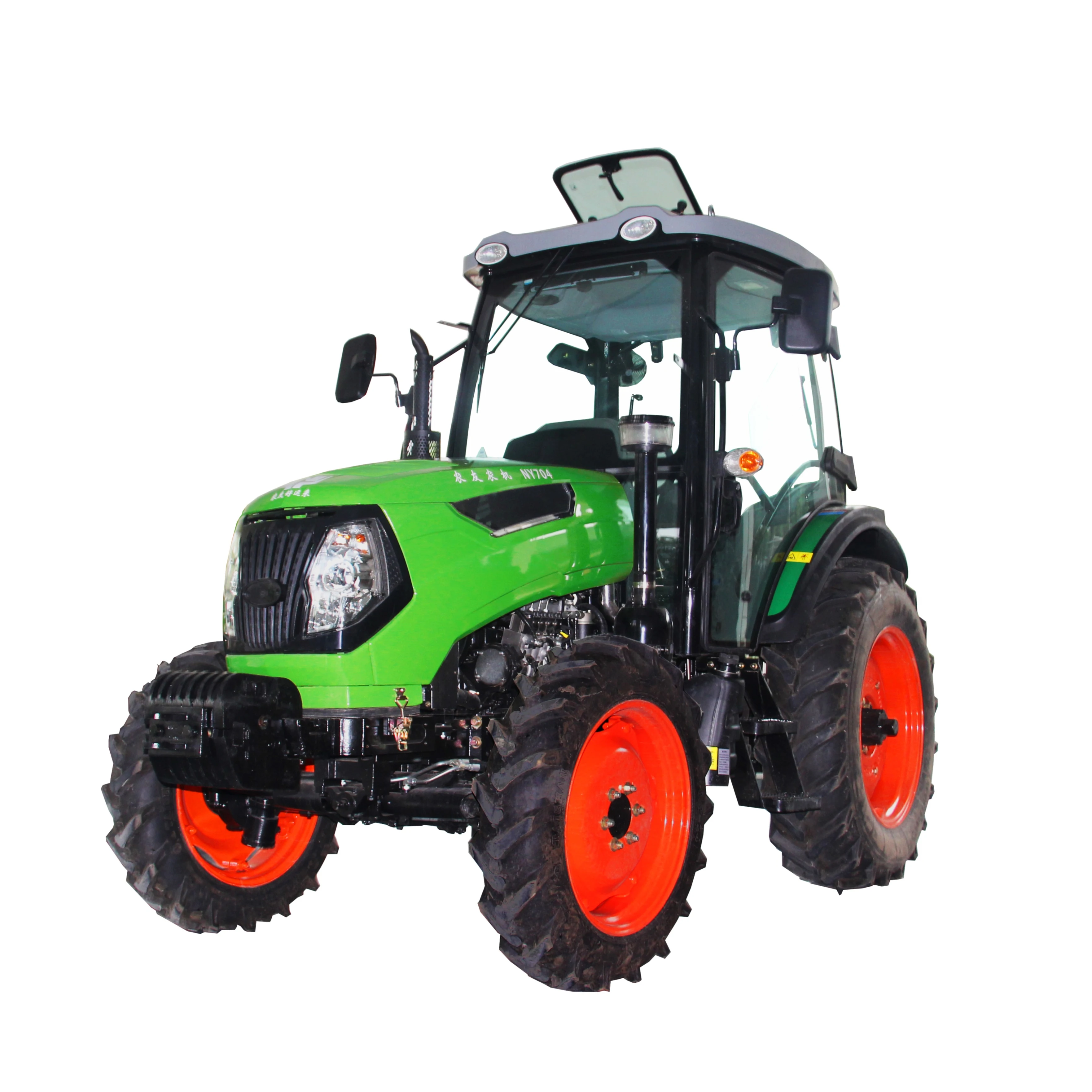
การมีปฏิสัมพันธ์ระหว่างรถแทรกเตอร์ล้อและสภาพแวดล้อมในการทำงานนั้นมีความสัมพันธ์เชิงกลที่ซับซ้อน ซึ่งเป็นตัวกำหนดความสำเร็จหรือความล้มเหลวในการปฏิบัติงานในแปลง การมีดินแต่ละประเภทแตกต่างกันจะก่อให้เกิดระดับแรงต้าน ศักยภาพในการยึดเกาะ และความเสี่ยงของการอัดแน่นที่ไม่เท่ากัน ขณะที่สภาพภูมิประเทศส่งผลต่อความมั่นคง ความต้องการกำลังขับ และปัจจัยด้านความปลอดภัยของผู้ปฏิบัติงาน ปัจจุบันการออกแบบรถแทรกเตอร์ล้อสมัยใหม่ได้รวมคุณลักษณะทางวิศวกรรมเฉพาะเพื่อจัดการกับความท้าทายเหล่านี้ อย่างไรก็ตาม การเข้าใจขีดจำกัดด้านประสิทธิภาพและพารามิเตอร์การปฏิบัติงานที่เหมาะสมยังคงมีความสำคัญอย่างยิ่งต่อการบริหารจัดการฟาร์มอย่างมีประสิทธิภาพและการตัดสินใจเลือกเครื่องจักร
ประสิทธิภาพของรถแทรกเตอร์ล้อภายใต้สภาพดินเหนียว
ลักษณะการยึดเกาะในสภาพแวดล้อมที่มีดินเหนียว
ดินประเภทดินเหนียวสร้างความท้าทายอย่างมากต่อการปฏิบัติงานของรถแทรกเตอร์ล้อเนื่องจากมีความสามารถในการกักเก็บความชื้นสูง และมีแนวโน้มจะลื่นมากเป็นพิเศษเมื่อเปียก รถแทรกเตอร์ล้อที่ทำงานบนดินเหนียวจะมีแรงยึดเกาะลดลงเมื่อปริมาณความชื้นเกินระดับที่เหมาะสม ส่งผลให้อัตราการหมุนฟรีของล้อ (wheel slip) สูงถึง 20–30% ภายใต้สภาวะที่รับภาระหนัก โครงสร้างอนุภาคละเอียดของดินเหนียวทำให้ผิวสัมผัสเรียบลื่น ซึ่งจำกัดการยึดเกาะเชิงกลระหว่างดอกยางกับผิวดิน จึงจำเป็นต้องพิจารณาอย่างรอบคอบทั้งในด้านการเลือกชนิดของยางและการปรับแรงดันลมยาง
ประสิทธิภาพของแทรกเตอร์ล้อบนดินเหนียวจะดีขึ้นอย่างมากเมื่อมีการจัดการความชื้นให้เหมาะสม ที่ระดับความชื้นที่เหมาะสม ดินเหนียวให้ความสามารถในการรับน้ำหนักได้ดีเยี่ยม และสามารถรองรับเครื่องจักรหนักได้โดยไม่เกิดร่องลึกหรือการบีบอัดมากเกินไป อย่างไรก็ตาม ช่วงเงื่อนไขการปฏิบัติงานที่เหมาะสมมีความแคบมาก ทำให้การกำหนดเวลาในการทำงานมีความสำคัญอย่างยิ่งต่อการรักษาประสิทธิภาพในการผลิต การลื่นไถลของล้อจะเพิ่มขึ้นแบบทวีคูณเมื่อดินเหนียวเปลี่ยนจากสภาวะความชื้นที่เหมาะสมไปสู่สภาวะที่มีน้ำมากเกินไป ดังนั้น การประเมินสภาพดินแบบเรียลไทม์จึงเป็นสิ่งจำเป็นสำหรับการปฏิบัติงานอย่างมีประสิทธิภาพ
ความต้องการกำลังและประสิทธิภาพการใช้เชื้อเพลิง
การขับรถแทรกเตอร์ล้อบนดินเหนียวมักต้องใช้กำลังเครื่องยนต์เพิ่มขึ้น 15–25% เมื่อเทียบกับสภาพดินร่วนปนทราย เนื่องจากแรงต้านการกลิ้งสูงขึ้นและแรงลากที่มากขึ้น ความเหนียวของดินเหนียวเมื่อเปียกทำให้ติดผิวของยางและอุปกรณ์การเกษตร ส่งผลให้เกิดแรงต้านเพิ่มเติม ซึ่งบังคับให้เครื่องยนต์ทำงานหนักขึ้นเพื่อรักษาระดับความเร็วในการเคลื่อนที่ไปข้างหน้า ความต้องการกำลังที่เพิ่มขึ้นนี้ส่งผลโดยตรงต่ออัตราการใช้เชื้อเพลิงที่สูงขึ้น โดยผู้ปฏิบัติงานมักพบว่าการใช้เชื้อเพลิงเพิ่มขึ้น 20–30% ต่อไร่ เมื่อทำงานในสภาพดินเหนียวที่ท้าทาย
ระบบส่งกำลังของรถแทรกเตอร์ล้อมีความเครียดเพิ่มขึ้นเมื่อทำงานบนพื้นผิวดินเหนียว โดยเฉพาะอย่างยิ่งในระหว่างการเลี้ยว ซึ่งแรงด้านข้างจะเพิ่มขึ้นอย่างมาก ระบบส่งกำลังแบบไฮโดรสแตติกสมัยใหม่ให้การควบคุมที่ดีกว่าในสภาวะดังกล่าว โดยสามารถปรับความเร็วได้อย่างแม่นยำและจัดการแรงบิดได้ดีขึ้น ความสามารถในการรักษาระดับความเร็วคงที่บนพื้นดินขณะจัดการกับสภาวะโหลดที่เปลี่ยนแปลงไปจึงมีความสำคัญยิ่งต่อการรักษาคุณภาพงาน และป้องกันไม่ให้เกิดการสึกหรอหรือความเสียหายของยางล้ออย่างรุนแรง
พลศาสตร์ของการทำงานบนดินทราย
พิจารณาด้านการยึดเกาะและการลอยตัว
ดินทรายมีลักษณะการปฏิบัติงานที่แตกต่างกันสำหรับการใช้งานรถแทรกเตอร์แบบล้อ ซึ่งประเด็นหลักที่ต้องพิจารณาจะเปลี่ยนจากปัญหาการลื่นไถลไปเป็นปัญหาการลอยตัวและการต้านทานการฝังตัว รถแทรกเตอร์แบบล้อที่ทำงานบนดินทรายที่หลวมอาจประสบปัญหาการจมลง ซึ่งส่งผลให้แรงยึดเกาะที่มีประสิทธิภาพลดลงและเพิ่มแรงต้านการกลิ้ง โครงสร้างของเม็ดทรายที่หลวมช่วยให้มีคุณสมบัติการระบายน้ำได้ดี แต่มีความสามารถในการยึดเกาะต่ำ ดังนั้นการเลือกยางจึงมีความสำคัญอย่างยิ่งต่อการรักษาการกระจายแรงกดที่ผิวดินให้อยู่ในระดับที่เหมาะสม
ข้อได้เปรียบด้านประสิทธิภาพของดินทรายจะชัดเจนขึ้นในแง่ของความเสี่ยงที่ลดลงจากการอัดแน่นของดิน และช่วงเวลาที่เหมาะสมสำหรับการปฏิบัติงานที่ดีขึ้น รถแทรกเตอร์ล้อสามารถทำงานบนดินทรายได้ในช่วงความชื้นที่กว้างกว่าเมื่อเทียบกับดินเหนียว จึงให้ความยืดหยุ่นในการปฏิบัติงานมากขึ้นตลอดฤดูกาลเพาะปลูก อย่างไรก็ตาม ข้อแลกเปลี่ยนที่เกิดขึ้นคืออัตราการสึกหรอของยางที่เพิ่มขึ้นเนื่องจากลักษณะของเม็ดทรายที่มีฤทธิ์กัดกร่อน และอาจเกิดปัญหาในการฝังเครื่องมือลงในดินเมื่อดินมีความหลวมมากเกินไป
ประสิทธิภาพการส่งกำลัง
ประสิทธิภาพในการส่งถ่ายกำลังในสภาพพื้นที่ทรายขึ้นอยู่กับการปรับสมดุลระหว่างแรงดันลมยางกับพื้นที่สัมผัสกับพื้นดินให้เหมาะสมที่สุดเป็นหลัก รถแทรกเตอร์แบบล้อที่มีการปรับแรงดันลมยางให้เหมาะสมสามารถรักษาประสิทธิภาพการใช้เชื้อเพลิงได้ดีเยี่ยมในดินทราย โดยมักประหยัดเชื้อเพลิงได้ดีกว่าการปฏิบัติงานในดินเหนียว 10–15% ความต้านทานการกลิ้งที่ลดลงในดินทรายที่ระบายน้ำได้ดีช่วยให้เครื่องยนต์ทำงานที่จุดโหลดที่มีประสิทธิภาพมากขึ้น โดยเฉพาะอย่างยิ่งในระหว่างการขนส่งระหว่างพื้นที่นา
ระบบขับเคลื่อนของรถแทรกเตอร์แบบล้อจะรับแรงเครียดน้อยลงในสภาพพื้นที่ทราย เนื่องจากแรงด้านข้างที่กระทำต่อระบบขับเคลื่อนขณะเลี้ยวลดลง และลักษณะการยึดเกาะมีความสม่ำเสมอมากขึ้น ส่งผลให้อายุการใช้งานของชิ้นส่วนยาวนานขึ้นและลดความจำเป็นในการบำรุงรักษา โดยเฉพาะอย่างยิ่งสำหรับชุดเฟืองท้าย (differential) และชุดขับเคลื่อนสุดท้าย (final drive assemblies) อย่างไรก็ตาม ผู้ปฏิบัติงานจำเป็นต้องระมัดระวังอย่างต่อเนื่องเกี่ยวกับการที่ทรายเข้าแทรกซึมเข้าสู่ระบบกลไก ซึ่งอาจก่อให้เกิดการสึกหรออย่างรวดเร็วหากไม่มีการดูแลรักษาระบบกรองและระบบปิดผนึกให้อยู่ในสภาพดี
ประสิทธิภาพในการทำงานบนพื้นที่ลาดเอียงและขรุขระ
พิจารณาเรื่องความมั่นคงและความปลอดภัย
การขับรถแทรกเตอร์ล้อแบบใช้งานบนพื้นที่ลาดเอียงทำให้เกิดพฤติกรรมด้านความมั่นคงที่ซับซ้อน ซึ่งส่งผลกระทบอย่างมากต่อประสิทธิภาพและความปลอดภัยในการปฏิบัติงาน การทำงานบนพื้นที่ลาดด้านข้างก่อให้เกิดการถ่ายโอนน้ำหนักในแนวข้าง ทำให้แรงกดลงบนยางด้านขึ้นเขาลดลง ในขณะที่แรงกดลงบนยางด้านลงเขามีค่าเพิ่มขึ้น ซึ่งอาจนำไปสู่การสูญเสียแรงยึดเกาะหรือภาวะรถพลิกคว่ำได้ หากมุมของพื้นที่ลาดเกินขีดจำกัดที่กำหนดไว้ แม้ว่าแทรกเตอร์ล้อสมัยใหม่ส่วนใหญ่จะมีระบบจัดการความมั่นคงในตัว แต่การเข้าใจความสัมพันธ์ระหว่างมุมของพื้นที่ลาด การกระจายโหลด และจุดศูนย์กลางมวลยังคงเป็นสิ่งจำเป็นอย่างยิ่งสำหรับการปฏิบัติงานอย่างปลอดภัย
ขอบเขตประสิทธิภาพของ รถแทรกเตอร์ล้อ การปฏิบัติงานบนลาดเอียงขึ้นอยู่กับความยาวของระยะฐานล้อ (wheelbase) ความกว้างของช่วงล้อ (track width) และการกระจายมวลถ่วง (ballast distribution) เป็นหลัก โครงสร้างที่มีระยะฐานล้อยาวขึ้นจะให้ความมั่นคงตามแนวยาว (longitudinal stability) ที่ดีขึ้นสำหรับการปีนเนิน ในขณะที่การตั้งค่าความกว้างของช่วงล้อที่กว้างขึ้นจะเพิ่มความมั่นคงตามแนวข้าง (lateral stability) ระหว่างการทำงานบนลาดเอียงด้านข้าง ปฏิสัมพันธ์ระหว่างปัจจัยเหล่านี้กับสภาพภูมิประเทศเป็นตัวกำหนดมุมการปฏิบัติงานสูงสุดที่ปลอดภัย และส่งผลต่อการเลือกอุปกรณ์เสริม (implement) สำหรับการปฏิบัติงานบนลาดเอียง
การจัดการพลังงานบนทางลาด
ประสิทธิภาพในการปีนเนินจำเป็นต้องมีการจัดการพลังงานอย่างรอบคอบ เพื่อรักษาแรงยึดเกาะ (traction) ไว้ในขณะเดียวกันก็ป้องกันไม่ให้เครื่องยนต์ทำงานหนักเกินไป (engine lugging) หรือเกิดภาวะร้อนจัด เครื่องจักรล้อ (wheel tractor) ที่กำลังปีนขึ้นทางชันจะประสบกับแรงต้านการกลิ้ง (rolling resistance) ที่เพิ่มขึ้น และแรงยึดเกาะที่ใช้งานได้จริงลดลง เนื่องจากน้ำหนักถูกถ่ายโอนออกไปจากล้อขับ ระบบระบายความร้อนของเครื่องยนต์จะเผชิญกับภาระเพิ่มเติมจากอากาศไหลผ่านลดลงเมื่อความเร็วบนพื้นดินต่ำลง และความร้อนที่เกิดขึ้นเพิ่มขึ้นจากปัจจัยโหลดที่สูงขึ้น ทำให้ความสามารถของระบบระบายความร้อนกลายเป็นปัจจัยสำคัญที่ต้องพิจารณาสำหรับการปฏิบัติงานบนลาดเอียง
การปฏิบัติงานขณะลงลาดชันนั้นก่อให้เกิดความท้าทายที่แตกต่างกันต่อประสิทธิภาพของรถแทรกเตอร์ล้อ ซึ่งความสามารถในการเบรกด้วยเครื่องยนต์และการควบคุมระบบส่งกำลังจึงกลายเป็นประเด็นหลักที่ต้องพิจารณา รถแทรกเตอร์ล้อรุ่นใหม่ๆ ในปัจจุบันได้ผสานฟีเจอร์การจัดการความลาดชันโดยเฉพาะ เช่น ฟังก์ชันยึดรถบนทางลาด (hill-hold) และการจำกัดความเร็วอัตโนมัติ เพื่อป้องกันไม่ให้รถเคลื่อนที่เร็วเกินควบคุม ความสามารถในการรักษาระดับความเร็วขณะลงลาดชันอย่างมีการควบคุม พร้อมทั้งจัดการภาระจากอุปกรณ์ที่ติดตั้งมาด้วย จำเป็นต้องอาศัยการผสานรวมระบบน้ำมันไฮดรอลิกและระบบส่งกำลังอย่างซับซ้อน ซึ่งจะแตกต่างกันอย่างมากตามรูปแบบการออกแบบรถแทรกเตอร์แต่ละแบบ
ประสิทธิภาพบนพื้นผิวขรุขระและพื้นแข็ง
ความทนทานของยางและการจัดการแรงยึดเกาะ
พื้นที่ขรุขระเป็นอุปสรรคเฉพาะตัวสำหรับการปฏิบัติงานของรถแทรกเตอร์ล้อ ซึ่งความทนทานของยางกลายเป็นปัจจัยจำกัดหลักสำหรับการปฏิบัติงานอย่างต่อเนื่อง หินแหลมคมและพื้นผิวที่ไม่เรียบทำให้เกิดสภาวะการรับแรงแบบจุด (point loading) ซึ่งอาจก่อให้เกิดความเสียหายต่อยาง รอยทะลุ หรือรูปแบบการสึกหรอที่เร่งขึ้น จนส่งผลกระทบอย่างมีนัยสำคัญต่อต้นทุนการดำเนินงาน รถแทรกเตอร์ล้อที่ใช้งานบนพื้นผิวหินจำเป็นต้องใช้ยางที่มีส่วนผสมพิเศษและลวดลายดอกยางที่ออกแบบมาโดยเฉพาะ เพื่อต้านทานการตัดและการหลุดลอกของยาง (cutting and chunking) พร้อมทั้งยังคงรักษาสมรรถนะในการยึดเกาะที่เพียงพอ
ลักษณะการยึดเกาะของรถแทรกเตอร์ล้อบนพื้นผิวหินขึ้นอยู่กับความยืดหยุ่นของยางและการปรับตัวเข้ากับรูปทรงพื้นผิวที่ไม่เรียบเป็นอย่างมาก โครงสร้างยางแบบเรเดียลมักให้สมรรถนะที่ดีกว่าในสภาวะเหล่านี้ เนื่องจากสามารถปรับรูปแบบรอยสัมผัสกับพื้นดินได้ดีขึ้น และมีคุณสมบัติในการกระจายความร้อนได้ดีขึ้น อย่างไรก็ตาม แรงดันลมยางที่สูงขึ้นซึ่งมักจำเป็นเพื่อเพิ่มความต้านทานการถูกเจาะอาจทำให้พื้นที่สัมผัสกับพื้นดินลดลง และส่งผลเสียต่อประสิทธิภาพการยึดเกาะ จึงจำเป็นต้องมีการปรับสมดุลอย่างรอบคอบระหว่างเป้าหมายด้านการป้องกันกับเป้าหมายด้านสมรรถนะ
ความเครียดเชิงกลและการป้องกันชิ้นส่วน
การขับรถแทรกเตอร์ล้อบนพื้นที่ขรุขระเพิ่มแรงเครื่องจักรต่อระบบขับเคลื่อนทั้งระบบ เนื่องจากการรับแรงกระแทกและการส่งผ่านการสั่นสะเทือน ชุดเพลาหน้าจะได้รับแรงเครื่องจักรเป็นพิเศษจากแรงกระแทกและรูปแบบการรับน้ำหนักที่ไม่สม่ำเสมอ ในขณะที่ชิ้นส่วนของระบบเกียร์ต้องรับมือกับการเปลี่ยนแปลงของแรงบิดอย่างฉับพลัน ซึ่งอาจทำให้สึกหรอเร็วก่อนวัยอันควรหรือเสียหายได้ ปัจจุบันการออกแบบรถแทรกเตอร์ล้อสมัยใหม่ได้รวมระบบที่เสริมความทนทานไว้ด้วย เช่น โครงหุ้มที่เสริมความแข็งแรง ระบบดูดซับแรงกระแทกที่ดีขึ้น และระบบกรองขั้นสูง เพื่อจัดการกับสภาวะการใช้งานที่รุนแรงเหล่านี้
ผลกระทบต่อประสิทธิภาพการทำงานจากพื้นที่ขรุขระนั้นขยายออกไปไกลกว่าปัจจัยเชิงกลในทันที ทั้งยังรวมถึงความเมื่อยล้าและความสะดวกสบายของผู้ปฏิบัติงาน ซึ่งส่งผลต่ออัตราการผลิตด้วย การสั่นสะเทือนที่ถ่ายทอดผ่านโครงสร้างรถมากเกินไปจะส่งผลต่อประสิทธิภาพของผู้ปฏิบัติงาน และอาจจำเป็นต้องลดความเร็วในการทำงานลงเพื่อรักษาระดับความสะดวกสบายให้อยู่ในเกณฑ์ที่ยอมรับได้ การลดความเร็วนี้ส่งผลโดยตรงต่ออัตราการผลิต และจำเป็นต้องนำมาพิจารณาในการวางแผนการปฏิบัติงานสำหรับการใช้งานในพื้นที่ขรุขระ
ประสิทธิภาพภายใต้สภาวะเปียกและเลน
กลยุทธ์การรับมือกับการสูญเสียแรงยึดเกาะและการฟื้นคืนแรงยึดเกาะ
สภาพพื้นที่เลนเป็นหนึ่งในสภาวะแวดล้อมที่ท้าทายที่สุดสำหรับการปฏิบัติงานของรถแทรกเตอร์แบบล้อ โดยการยึดเกาะจะลดลงอย่างรวดเร็วเมื่อความชื้นในดินเกินระดับความอิ่มตัว รถแทรกเตอร์แบบล้อที่ทำงานในสภาพพื้นที่เลนจะประสบกับอัตราการหมุนฟรีของล้อ (wheel slip) ที่เพิ่มขึ้นแบบทวีคูณ มักถึงระดับ 40–60% ก่อนที่การเคลื่อนที่ไปข้างหน้าจะเป็นไปไม่ได้เลย การรวมกันของสัมประสิทธิ์แรงยึดเกาะที่ลดลงและแรงต้านการกลิ้งที่เพิ่มขึ้น ส่งผลให้ขอบเขตประสิทธิภาพการทำงานแคบลงอย่างรวดเร็วเมื่อสภาวะแวดล้อมแย่ลง ดังนั้นการระบุสภาวะจำกัดตั้งแต่เนิ่นๆ จึงมีความจำเป็นอย่างยิ่งเพื่อหลีกเลี่ยงการดำเนินการกู้คืนที่มีค่าใช้จ่ายสูง
กลยุทธ์การฟื้นตัวสำหรับการปฏิบัติงานของรถแทรกเตอร์ล้อในสภาพพื้นดินเลนเน้นที่การปรับสมดุลการกระจายมวลและเทคนิคการเพิ่มแรงยึดเกาะ การล็อกเฟืองแยก (Differential lock) มีความสำคัญอย่างยิ่งต่อการรักษาโมเมนตัมในการเคลื่อนที่ไปข้างหน้า ขณะที่การถ่วงน้ำหนัก (ballasting) อย่างเหมาะสมช่วยให้การกระจายมวลมีประสิทธิภาพสูงสุด เพื่อใช้ประโยชน์จากแรงยึดเกาะได้เต็มที่ เวลาที่ดำเนินการเหล่านี้มีผลโดยตรงต่ออัตราความสำเร็จ โดยทั่วไปแล้ว การดำเนินการล่วงหน้าจะให้ผลลัพธ์ที่ดีกว่าการตอบสนองแบบฉุกเฉินเมื่อรถติดโคลน
นำกลยุทธ์ด้านประสิทธิภาพและผลกระทบต่อภาคสนามไปปฏิบัติ
ประสิทธิภาพของอุปกรณ์ที่ติดตั้งกับรถแทรกเตอร์ล้อในสภาพพื้นดินเละมักเป็นตัวกำหนดความสำเร็จโดยรวมของการปฏิบัติงานมากกว่าศักยภาพของรถแทรกเตอร์เพียงอย่างเดียว อุปกรณ์ที่มีน้ำหนักมากอาจก่อให้เกิดการอัดแน่นของดินและร่องรอยจากการขับขี่อย่างรุนแรง ซึ่งจะคงอยู่ต่อเนื่องเป็นเวลานานหลังจากสภาพพื้นที่ดีขึ้นแล้ว ในขณะที่อุปกรณ์ที่มีน้ำหนักเบาอาจไม่สามารถเจาะผิวดินได้ลึกพอสำหรับการปฏิบัติงานอย่างมีประสิทธิภาพ การหาสมดุลระหว่างประสิทธิผลของอุปกรณ์กับการรักษาคุณภาพดินจึงจำเป็นต้องพิจารณาอย่างรอบคอบถึงสภาพดิน เวลาที่เหมาะสม และเป้าหมายด้านสุขภาพของพื้นที่ในระยะยาว
การสะสมของโคลนบนยางล้อของรถแทรกเตอร์และอุปกรณ์ต่อพ่วงก่อให้เกิดความท้าทายด้านประสิทธิภาพเพิ่มเติม เนื่องจากน้ำหนักที่เพิ่มขึ้นและลักษณะอากาศพลศาสตร์ที่เปลี่ยนไป ความสามารถในการทำความสะอาดตัวเองของดอกยางจึงมีความสำคัญอย่างยิ่งต่อการรักษาประสิทธิภาพในการยึดเกาะ ในขณะที่คุณลักษณะการออกแบบของอุปกรณ์ต่อพ่วงที่ช่วยป้องกันไม่ให้โคลนสะสมจะช่วยรักษาคุณภาพงานและลดความต้องการกำลังขับ อาจจำเป็นต้องทำความสะอาดอย่างสม่ำเสมอเพื่อรักษาระดับประสิทธิภาพที่ยอมรับได้ระหว่างการปฏิบัติงานในสภาพโคลนเป็นเวลานาน
คำถามที่พบบ่อย
ฉันควรใช้แรงดันลมยางเท่าใดสำหรับสภาพดินที่แตกต่างกัน?
แรงดันลมยางสำหรับรถแทรกเตอร์ล้อควรปรับตามสภาพดินและข้อกำหนดของน้ำหนักบรรทุก สำหรับดินนุ่ม เช่น ทราย หรือสภาพพื้นเปียก ให้ลดแรงดันลมลงเหลือ 12–16 PSI เพื่อเพิ่มพื้นที่สัมผัสกับพื้นดินและปรับปรุงความสามารถในการลอยตัว สำหรับพื้นแข็งและการปฏิบัติงานขนส่ง ให้รักษาระดับแรงดันลมตามที่ผู้ผลิตแนะนำ คือ 18–24 PSI เพื่อป้องกันความเสียหายต่อยางและให้มีการกระจายแรงบรรทุกอย่างเหมาะสม เสมอเสมอโปรดปรึกษาคู่มือแนวทางจากผู้ผลิตยางของท่านเพื่อทราบแรงดันลมที่เฉพาะเจาะจงตามน้ำหนักบรรทุกและความเร็วที่ใช้งาน
ฉันจะทราบได้อย่างไรว่ารถแทรกเตอร์ล้อของฉันกำลังเกิดอาการล้อหมุนฟรีมากเกินไป?
การลื่นของล้อมากเกินไปในรถแทรกเตอร์ล้อมีความชัดเจนจากสัญญาณหลายประการ ได้แก่ ความเร็วในการเคลื่อนที่ไปข้างหน้าลดลงแม้รอบเครื่องยนต์จะยังคงอยู่ที่ระดับเดิม การหมุนของยางที่มองเห็นได้ชัด และการใช้เชื้อเพลิงเพิ่มขึ้น แทรกเตอร์สมัยใหม่ส่วนใหญ่มาพร้อมระบบตรวจสอบการลื่นของล้อซึ่งให้ข้อมูลแบบเรียลไทม์ แต่ผู้ปฏิบัติงานก็สามารถสังเกตเองได้โดยเปรียบเทียบความเร็วจริงบนพื้นดินกับความเร็วที่คาดไว้สำหรับการตั้งค่าเครื่องยนต์ที่กำหนด อัตราการลื่นเกิน 15% มักบ่งชี้ว่าจำเป็นต้องปรับปรุงแรงยึดเกาะ หรือปรับเปลี่ยนวิธีการปฏิบัติงาน
การดัดแปลงใดบ้างที่สามารถปรับปรุงประสิทธิภาพของรถแทรกเตอร์ล้อบนพื้นลาดชันได้?
การปรับแต่งหลายประการสามารถเพิ่มประสิทธิภาพของรถแทรกเตอร์ล้อในการทำงานบนพื้นที่ลาดเอียงได้ ซึ่งรวมถึงการใช้ระยะห่างระหว่างยางที่กว้างขึ้นเพื่อเพิ่มความมั่นคง การติดตั้งน้ำหนักที่ส่วนหน้าเพื่อปรับสมดุลแรงยึดเกาะ และการใช้ยางเฉพาะทางที่มีลวดลายดอกยางแบบหยาบและลึกเป็นพิเศษ โครงสร้างป้องกันการพลิกคว่ำ (ROPS) และระบบตรวจสอบความชันให้การเสริมความปลอดภัยที่จำเป็นอย่างยิ่ง ขณะที่ระบบควบคุมอุปกรณ์ไฮดรอลิกช่วยให้จัดการน้ำหนักโหลดได้ดียิ่งขึ้นระหว่างการทำงานบนพื้นที่ลาดเอียง โปรดพิจารณาขอรับการประเมินจากผู้เชี่ยวชาญเกี่ยวกับความต้องการเฉพาะด้านความชันของท่านก่อนดำเนินการปรับแต่งใดๆ
เมื่อใดที่ผมควรหลีกเลี่ยงการขับรถแทรกเตอร์ล้อในสภาพสนามเปียก?
หลีกเลี่ยงการขับรถแทรกเตอร์ล้อเมื่อความชื้นของดินทำให้เกิดร่องลึกจากยางล้อลึกเกิน 2–3 นิ้ว หรือเมื่อเกิดการหมุนฟรีของล้อ (wheel slip) อย่างต่อเนื่องเกินร้อยละ 20 วิธีทดสอบเบื้องต้นในสนาม ได้แก่ การตรวจสอบว่าสามารถปั้นดินเป็นก้อนได้และก้อนดินยังคงรักษารูปร่างไว้ได้โดยไม่มีน้ำไหลออกมามากเกินไป และไม่มีน้ำขังอยู่ในร่องที่เกิดจากยางล้อหลังผ่านไปแล้ว การปฏิบัติงานในสภาพดินแฉะเกินไปอาจก่อให้เกิดความเสียหายต่อโครงสร้างดินในระยะยาว ความเสียหายต่อเครื่องจักร และประสิทธิภาพในการปฏิบัติงานลดลงอย่างมาก ซึ่งอาจต้องใช้เวลาหลายฤดูกาลกว่าจะฟื้นคืนสภาพเดิมได้