 EN
EN

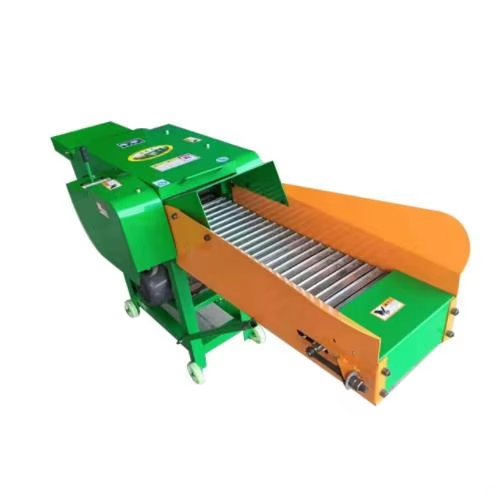
Modern livestock farming demands efficient solutions for preparing animal feed, and the hay cutter stands as an indispensable tool in this process. These specialized machines transform raw hay and straw into digestible feed portions, significantly improving nutritional absorption in cattle, horses, and other farm animals. A quality hay cutter ensures consistent feed preparation while reducing manual labor and operational costs across agricultural operations.
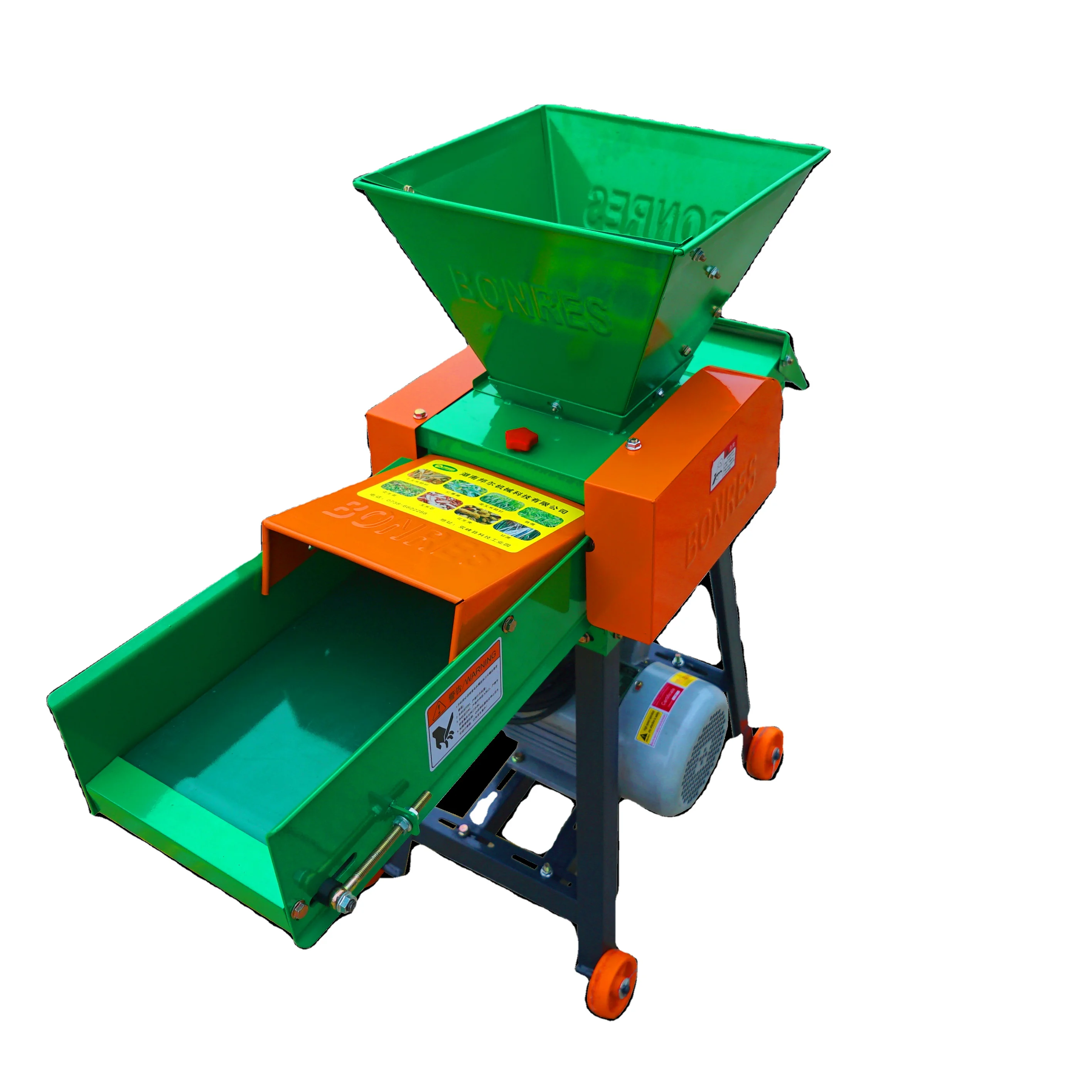
The evolution of hay cutter technology has revolutionized feed preparation methods worldwide. From traditional manual cutting techniques to sophisticated mechanical systems, these machines have become essential components in sustainable livestock management. Understanding the various types and applications of hay cutter equipment helps farmers make informed decisions about their feed preparation investments.
Understanding Hay Cutter Fundamentals
Core Operating Principles
A hay cutter operates through precise mechanical cutting action that transforms long hay strands into uniform pieces suitable for animal consumption. The cutting mechanism typically involves sharp blades rotating at high speeds, creating clean cuts that preserve nutritional value while enhancing digestibility. This process ensures that animals can efficiently process the feed, leading to improved nutrient absorption and overall health outcomes.
The fundamental design incorporates feed intake chambers, cutting assemblies, and discharge systems working in synchronized operation. Modern hay cutter units feature adjustable cutting lengths, allowing operators to customize feed size according to specific animal requirements. This flexibility makes these machines suitable for various livestock types, from small poultry operations to large cattle ranches.
Essential Components and Design
Every effective hay cutter contains several critical components that ensure reliable performance and longevity. The cutting chamber houses precision-engineered blades manufactured from high-carbon steel, providing exceptional durability and cutting efficiency. These blades undergo specialized heat treatment processes to maintain sharpness and resist wear under continuous operation.
The power transmission system connects the motor or engine to the cutting mechanism through robust gear assemblies or belt drives. Quality hay cutter models incorporate safety features such as emergency stops, protective guards, and overload protection systems. These safety mechanisms prevent accidents while protecting the machine from damage during operation, ensuring consistent performance over extended periods.
Manual Hay Cutter Systems
Traditional Hand-Operated Models
Manual hay cutter systems represent the most basic form of feed preparation equipment, suitable for small-scale farming operations or supplementary feed processing. These units rely on human power to operate cutting mechanisms, making them ideal for remote locations without electrical power or for farmers managing limited livestock numbers. Despite their simplicity, manual systems can effectively process substantial quantities of hay when operated consistently.
The construction of manual hay cutter units emphasizes durability and ease of maintenance. Cast iron frames provide stability during operation, while replaceable steel blades ensure long-term functionality. These machines typically feature adjustable cutting lengths through movable blade positions, allowing operators to produce various feed sizes as needed for different animal species.
Advantages and Limitations
Manual hay cutter systems offer several compelling advantages for specific applications. Their independence from electrical power makes them valuable in remote agricultural areas or during power outages. The initial investment cost remains significantly lower than motorized alternatives, making them accessible to small-scale farmers with limited budgets. Additionally, manual systems require minimal maintenance and can operate reliably for decades with proper care.
However, these systems also present certain limitations that farmers must consider. The processing capacity remains relatively low compared to powered alternatives, requiring more time and physical effort to prepare large feed quantities. Operator fatigue can become a significant factor during extended cutting sessions, potentially affecting productivity and consistency in feed preparation.
Electric Hay Cutter Solutions
Single-Phase Electric Models
Single-phase electric hay cutter units provide an excellent balance between performance and affordability for medium-scale farming operations. These machines connect to standard household electrical supplies, eliminating the need for specialized electrical installations. The consistent power delivery from electric motors ensures uniform cutting performance and reduces operational noise compared to gasoline-powered alternatives.
Most single-phase hay cutter models feature motors ranging from 1 to 5 horsepower, providing sufficient cutting force for various hay types and densities. The hay cutter design incorporates user-friendly controls and safety features, making them suitable for operators with varying experience levels. These units typically process 100 to 500 kilograms of hay per hour, depending on the specific model and feed characteristics.
Three-Phase Industrial Units
Three-phase electric hay cutter systems represent the pinnacle of electric-powered feed preparation equipment. These industrial-grade machines deliver exceptional processing capacity and operational efficiency, making them ideal for large dairy operations, commercial feed mills, and agricultural cooperatives. The three-phase power supply provides smooth, consistent motor operation with minimal vibration and maximum torque output.
Industrial hay cutter models incorporate advanced features such as variable speed controls, automated feed systems, and integrated collection mechanisms. These enhancements significantly reduce labor requirements while maintaining consistent feed quality. The robust construction includes heavy-duty bearings, reinforced frames, and professional-grade cutting assemblies designed for continuous operation in demanding agricultural environments.
Gasoline-Powered Hay Cutter Systems
Portable Engine-Driven Units
Gasoline-powered hay cutter machines offer unparalleled mobility and independence from electrical infrastructure, making them invaluable for field operations and remote farming locations. These units typically feature four-stroke engines ranging from 5 to 15 horsepower, providing robust cutting performance across various hay conditions. The portable design allows operators to transport the equipment directly to hay storage areas or grazing locations.
Modern gasoline hay cutter systems incorporate fuel-efficient engines with low emission profiles, addressing environmental concerns while maintaining operational effectiveness. The self-contained design includes integrated fuel tanks, recoil starting systems, and adjustable throttle controls. These features enable operators to optimize engine performance based on specific cutting requirements and hay characteristics.
Heavy-Duty Agricultural Applications
Heavy-duty gasoline hay cutter units serve large-scale agricultural operations requiring maximum processing capacity and durability. These machines feature powerful engines exceeding 15 horsepower, coupled with industrial-grade cutting assemblies capable of processing tons of hay daily. The reinforced construction includes commercial-grade components designed to withstand continuous operation in challenging agricultural environments.
Professional hay cutter models often incorporate advanced features such as hydraulic feeding systems, automated cutting length adjustment, and integrated baling capabilities. These enhancements streamline the feed preparation process while reducing manual labor requirements. The investment in heavy-duty equipment typically provides excellent returns through increased productivity and reduced operational costs over time.
Specialized Hay Cutter Applications
Dairy Farm Integration
Dairy operations require specific hay cutter capabilities to optimize milk production and animal health outcomes. These specialized applications demand precise cutting consistency to ensure uniform total mixed rations and proper fiber length for optimal rumen function. Modern dairy-focused hay cutter systems integrate seamlessly with existing feed preparation equipment, creating efficient workflow patterns that minimize handling time and labor costs.
The hay cutter selection for dairy applications must consider factors such as processing volume, feed storage systems, and integration with mixing equipment. Many dairy operations utilize stationary hay cutter installations connected to conveyor systems, enabling continuous feed preparation throughout the day. This automation reduces labor requirements while ensuring consistent feed quality across multiple feeding cycles.
Equestrian Feed Preparation
Horse feeding requires specialized attention to hay quality and presentation, making appropriate hay cutter selection critical for equestrian operations. These applications demand minimal dust production and precise cutting lengths to prevent respiratory issues and ensure optimal digestibility. Professional equestrian facilities often invest in premium hay cutter equipment with dust collection systems and adjustable cutting mechanisms.
The hay cutter requirements for horse operations differ significantly from cattle or sheep applications. Shorter cutting lengths improve digestibility for horses while reducing waste and improving feed conversion efficiency. Many equestrian hay cutter systems incorporate screening mechanisms to remove foreign materials and ensure feed safety for valuable breeding stock and competition animals.
Selection Criteria for Hay Cutter Equipment
Capacity and Processing Requirements
Determining appropriate hay cutter capacity requires careful analysis of daily feed requirements, seasonal variations, and operational schedules. Small farms with 10-20 animals typically require equipment capable of processing 50-200 kilograms daily, while commercial operations may need capacity exceeding 1000 kilograms per hour. Understanding these requirements helps farmers invest in equipment that matches their operational scale without over-investing in unnecessary capacity.
Processing requirements also include consideration of hay types, moisture content, and storage methods. Dense, dry hay requires more cutting power than fresh, green material, influencing hay cutter motor sizing and blade configuration. Operators must also consider seasonal variations in hay quality and quantity when selecting equipment specifications to ensure year-round operational capability.
Power Source Considerations
The choice between manual, electric, and gasoline-powered hay cutter systems depends on several operational factors including power availability, mobility requirements, and operational frequency. Farms with reliable electrical service typically benefit from electric models due to lower operating costs and reduced maintenance requirements. However, operations requiring field mobility or lacking electrical infrastructure may find gasoline-powered units more practical.
Environmental considerations also influence power source selection for hay cutter equipment. Electric models produce zero direct emissions and operate more quietly than gasoline alternatives, making them suitable for operations near residential areas or with noise restrictions. Conversely, gasoline units provide greater flexibility and independence from electrical grid limitations, particularly valuable during power outages or remote operations.
Maintenance and Operational Excellence
Preventive Maintenance Protocols
Establishing comprehensive maintenance protocols ensures optimal hay cutter performance and extends equipment lifespan significantly. Regular blade inspection and sharpening maintain cutting efficiency while preventing excessive wear on drive components. Most manufacturers recommend daily visual inspections, weekly lubrication procedures, and monthly comprehensive maintenance checks to identify potential issues before they result in equipment failure.
Seasonal maintenance procedures for hay cutter equipment include thorough cleaning, component replacement, and protective storage preparations. These protocols prevent corrosion, ensure reliable startup after storage periods, and maintain warranty compliance. Professional maintenance documentation helps track equipment performance and plan replacement schedules effectively.
Troubleshooting Common Issues
Understanding common hay cutter problems and solutions enables operators to maintain consistent equipment performance and minimize downtime. Blade dullness represents the most frequent issue, typically identified through increased cutting effort, uneven hay pieces, or excessive dust production. Regular blade maintenance and replacement schedules prevent these problems while maintaining optimal cutting quality.
Mechanical issues such as bearing wear, belt slippage, or motor problems require systematic diagnosis and appropriate repair procedures. Many hay cutter manufacturers provide comprehensive troubleshooting guides and support services to assist operators in maintaining their equipment effectively. Establishing relationships with qualified service technicians ensures access to professional support when complex repairs become necessary.
FAQ
What factors determine the appropriate hay cutter size for my operation
The appropriate hay cutter size depends on your daily feed requirements, number of animals, and available processing time. Calculate your daily hay consumption and multiply by 1.5 to account for seasonal variations and processing efficiency. Consider that most hay cutter units process 50-1000 kilograms per hour depending on size and power source, so select equipment that can handle your peak requirements comfortably.
How often should hay cutter blades be sharpened or replaced
Blade maintenance frequency varies based on usage intensity and hay characteristics, but most operations require sharpening every 40-60 hours of operation. Dense, dry hay causes faster blade wear than softer materials. Monitor cutting quality and increase in required cutting force as indicators for blade maintenance. Replace blades when sharpening no longer restores cutting efficiency or when blade thickness falls below manufacturer specifications.
Can a hay cutter process other materials besides hay
Most hay cutter machines can effectively process various fibrous materials including straw, corn stalks, wheat stubble, and certain green fodders. However, avoid materials containing stones, metal objects, or excessive moisture that could damage cutting mechanisms. Always consult manufacturer guidelines for approved materials and adjust cutting speeds accordingly. Some specialized models offer interchangeable blade configurations for different material types.
What safety precautions are essential when operating hay cutter equipment
Essential safety measures include wearing protective equipment such as safety glasses, hearing protection, and close-fitting clothing. Never remove safety guards or attempt to clear blockages while the machine operates. Ensure proper grounding for electric models and maintain adequate ventilation for gasoline-powered units. Regular inspection of safety devices and emergency stops prevents accidents and ensures compliance with agricultural safety standards.