 EN
EN

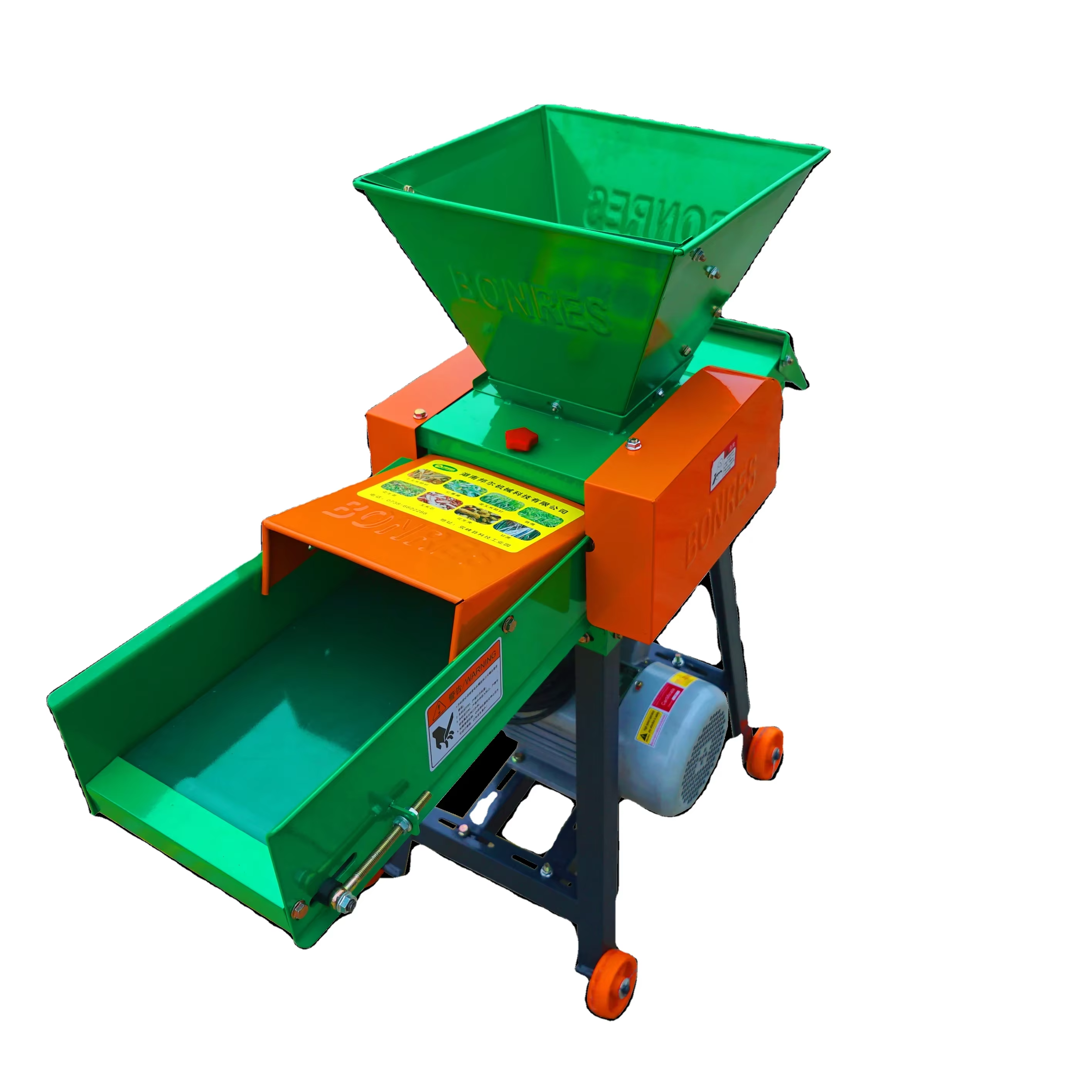
Operating agricultural equipment requires careful attention to safety protocols, especially when working with machinery designed for cutting and processing materials. The hay cutter represents one of the most essential pieces of equipment in modern farming operations, helping farmers efficiently process fodder for livestock feed. Understanding proper safety procedures not only protects operators from injury but also ensures optimal equipment performance and longevity. Farm workers must prioritize safety training and equipment maintenance to prevent accidents that could result in serious injury or costly equipment damage.
Essential Pre-Operation Safety Checks
Equipment Inspection Procedures
Before starting any hay cutter operation, operators must conduct thorough equipment inspections to identify potential hazards or mechanical issues. Check all cutting blades for sharpness, proper alignment, and secure mounting to prevent blade failure during operation. Inspect safety guards and shields to ensure they are properly installed and free from damage that could compromise operator protection. Verify that all bolts, nuts, and fasteners are tightened to manufacturer specifications, as loose components can create dangerous situations during high-speed cutting operations.
Examine the power transmission system including belts, chains, and drive components for signs of wear, fraying, or damage that could lead to sudden failure. Test all safety switches and emergency stop mechanisms to confirm they function correctly and can immediately halt machine operation when needed. Lubricate all grease points according to the maintenance schedule to ensure smooth operation and prevent excessive wear that could cause component failure. Document inspection findings in a maintenance log to track equipment condition and identify patterns that might indicate developing problems.
Personal Protective Equipment Requirements
Proper personal protective equipment forms the first line of defense against hay cutter injuries and must be worn consistently during all operations. Safety glasses or face shields protect eyes from flying debris, dust, and plant material that can cause serious eye injuries during cutting operations. Hearing protection becomes essential when operating powered hay cutting equipment, as prolonged exposure to engine noise can cause permanent hearing damage. Steel-toed boots provide crucial foot protection against falling objects and accidental contact with moving machinery components.
Close-fitting clothing prevents entanglement in moving parts while providing adequate protection from cuts and abrasions during hay handling operations. Avoid loose jewelry, ties, or clothing items that could catch in rotating components and pull operators into dangerous contact with cutting mechanisms. Work gloves protect hands from cuts when handling hay materials, but remove them when adjusting or maintaining the hay cutter to prevent glove entanglement in moving parts. High-visibility clothing helps other workers identify operator locations, reducing the risk of accidents when multiple people work in the same area.
Safe Operating Procedures During Cutting Operations
Proper Machine Setup and Positioning
Correct positioning and setup of the hay cutter significantly reduces accident risk while improving cutting efficiency and quality. Position the equipment on level, stable ground to prevent tipping or unexpected movement during operation that could endanger the operator or bystanders. Ensure adequate clearance around the cutting area to allow safe material feeding and removal without placing hands or body parts near dangerous cutting zones. Check that all safety guards remain in place and properly adjusted to provide maximum protection while allowing normal operation.
Verify proper height adjustment for the cutting mechanism based on the type and condition of hay being processed. Incorrect height settings can cause excessive strain on cutting components or result in poor cutting quality that requires reprocessing. Test the feed rate controls to ensure smooth, consistent material flow that matches the hay cutter capacity without overloading the cutting mechanism. Maintain clear sight lines to all operational areas to monitor cutting progress and quickly identify any problems that develop during operation.
Material Handling Safety Protocols
Safe material handling procedures prevent injuries while ensuring efficient hay processing and optimal equipment performance. Feed hay materials gradually and consistently to prevent jamming or overloading that could cause dangerous kickback or equipment damage. Keep hands and tools well clear of the cutting area, using feeding implements or guides to direct material into the cutting zone safely. Never attempt to clear jams or adjust material flow while the hay cutter operates, as contact with moving cutting elements can cause severe injuries.
Position yourself to maintain balance and stability while feeding materials, avoiding awkward reaching or stretching that could result in loss of control. Establish clear communication protocols when multiple workers participate in hay cutting operations to coordinate activities and prevent accidents. Store processed hay materials away from the cutting area to prevent accumulation that could interfere with safe operation or create fire hazards. Monitor cutting quality continuously and stop operation immediately if unusual sounds, vibrations, or cutting patterns indicate potential equipment problems.
Maintenance Safety Considerations
Routine Maintenance Safety Practices
Regular maintenance keeps hay cutting equipment operating safely and efficiently while preventing dangerous mechanical failures during operation. Always shut off the engine and remove the ignition key before performing any maintenance work to prevent accidental startup that could cause serious injury. Allow sufficient cooling time for hot engine components before beginning maintenance work to prevent burns from contact with heated surfaces. Use proper lifting techniques and mechanical aids when removing heavy components to prevent back injuries and ensure safe handling of equipment parts.
Follow lockout/tagout procedures when multiple workers perform maintenance activities to prevent confusion and accidental equipment activation. Clean all debris and buildup from cutting areas before inspection or adjustment to improve visibility and prevent slipping hazards. Replace worn or damaged components immediately rather than attempting temporary repairs that could fail during operation and create safety hazards. Keep a well-stocked supply of genuine replacement parts to ensure proper fit and performance when repairs become necessary.
Blade Maintenance and Replacement
Proper blade maintenance represents one of the most critical safety aspects of hay cutter operation, as dull or damaged blades create multiple hazards. Sharp blades cut more efficiently with less power requirement, reducing strain on the engine and drive components while producing cleaner cuts that improve hay quality. Inspect cutting blades regularly for chips, cracks, or excessive wear that could lead to blade failure and potential injury from flying metal fragments. Remove and sharpen blades according to manufacturer specifications, maintaining proper angles and edge geometry for optimal performance.
Balance replacement blades carefully to prevent vibration that could damage bearings, loosen fasteners, or create unsafe operating conditions. Install new blades with proper torque specifications using appropriate thread-locking compounds to prevent loosening during operation. Test blade clearances and adjustments after installation to ensure proper operation without interference or binding. Store spare blades in protective covers or containers to prevent damage and maintain sharpness between uses, ensuring ready availability when replacement becomes necessary.

Emergency Response and Accident Prevention
Emergency Stop Procedures
Quick and effective emergency response can prevent minor incidents from escalating into serious accidents during hay cutter operations. Familiarize all operators with emergency stop procedures and ensure they can quickly locate and activate shutdown controls under stressful conditions. Practice emergency shutdown drills regularly to maintain proficiency and reduce response time when actual emergencies occur. Post emergency contact information prominently near work areas to enable quick communication with medical services or emergency responders when needed.
Establish clear procedures for responding to different types of emergencies, including equipment malfunction, operator injury, or fire incidents. Keep first aid supplies readily available and ensure at least one trained person can provide emergency medical care until professional help arrives. Maintain fire extinguishers appropriate for fuel and electrical fires near hay cutting operations, as dry hay materials create significant fire hazards. Document all incidents and near-misses to identify patterns and implement preventive measures that reduce future accident risk.
Training and Competency Development
Comprehensive training programs ensure operators understand hay cutter safety requirements and develop competency in safe operating practices. Provide hands-on training that covers equipment operation, maintenance procedures, and emergency response under supervision of experienced operators. Update training regularly to address new safety findings, equipment modifications, or changes in operating procedures that affect safety requirements. Verify operator competency through practical demonstrations and written assessments before allowing independent operation of hay cutting equipment.
Maintain training records to document completed instruction and identify when refresher training becomes necessary. Encourage operators to report safety concerns or suggestions for improvement without fear of punishment to promote continuous safety enhancement. Provide specialized training for maintenance personnel who work on hay cutter equipment to ensure they understand unique hazards and safety requirements. Share safety information and lessons learned with other agricultural operations to promote industry-wide safety improvement and accident prevention.
Environmental and Operational Safety Factors
Weather Conditions and Timing
Weather conditions significantly impact hay cutter safety and must be carefully considered before beginning operations. Avoid cutting operations during high wind conditions that can blow debris and reduce visibility, creating hazards for operators and nearby workers. Wet or damp conditions increase slip hazards and can cause electrical problems in powered equipment, requiring extra caution and potentially delaying operations until conditions improve. Extremely hot weather increases operator fatigue and heat stress risk, necessitating frequent breaks and adequate hydration to maintain alertness and safety.
Monitor weather forecasts to plan cutting activities during optimal conditions that promote both safety and efficiency. Ensure adequate lighting for operations conducted during early morning or evening hours to maintain clear visibility of cutting areas and potential hazards. Protect hay cutter equipment from weather exposure when not in use to prevent corrosion and deterioration that could create safety hazards during subsequent operations. Adjust operating schedules to avoid periods of peak heat or other adverse conditions that increase accident risk or equipment stress.
Storage and Transportation Safety
Safe storage and transportation practices protect hay cutter equipment while preventing accidents during movement between job sites. Secure all loose components and tools before transporting equipment to prevent shifting loads that could affect vehicle stability or create road hazards. Cover or protect cutting blades during transport to prevent contact injuries and maintain blade sharpness for optimal performance. Verify proper hitch connections and safety chains when towing hay cutting equipment to prevent accidents caused by equipment separation from towing vehicles.
Store hay cutter equipment in clean, dry locations that protect against weather damage and unauthorized access that could lead to tampering or theft. Remove fuel and oil according to storage requirements to prevent leaks, fire hazards, and environmental contamination during extended storage periods. Implement security measures to prevent unauthorized equipment use that could result in accidents by untrained operators. Conduct thorough inspections after storage periods to identify any deterioration or damage that developed during inactive periods before returning equipment to service.
FAQ
How often should hay cutter blades be inspected and replaced
Hay cutter blades should be inspected before each use and replaced when they show signs of excessive wear, chipping, or dullness that reduces cutting efficiency. Sharp blades not only improve cutting quality but also reduce power requirements and prevent dangerous situations caused by excessive strain on the equipment. Professional sharpening may extend blade life, but replacement becomes necessary when metal fatigue or damage compromises blade integrity. Keep spare blades available to minimize downtime when replacement becomes necessary during busy cutting seasons.
What should I do if the hay cutter becomes jammed during operation
Always shut off the engine and remove the ignition key before attempting to clear any jam in a hay cutter to prevent accidental startup that could cause serious injury. Allow all moving parts to come to a complete stop and use appropriate tools rather than hands to remove jammed material from cutting areas. Inspect the equipment for damage after clearing jams and verify proper operation before resuming cutting activities. Never attempt to clear jams while the engine runs, as this practice has caused numerous serious accidents in agricultural operations.
Are there specific training requirements for hay cutter operators
While formal certification may not be legally required in all areas, comprehensive training significantly reduces accident risk and improves operational efficiency. Training should cover equipment operation, safety procedures, maintenance requirements, and emergency response protocols specific to hay cutting operations. Many agricultural extension services and equipment dealers offer training programs that provide valuable instruction in safe operating practices. Regular refresher training helps operators stay current with safety developments and maintain proficiency in emergency procedures.
What type of personal protective equipment is essential for hay cutter operation
Essential personal protective equipment includes safety glasses or face shields to protect against flying debris, hearing protection for noise reduction, and steel-toed boots for foot protection. Close-fitting clothing prevents entanglement in moving parts while work gloves protect hands during material handling but should be removed during equipment adjustment or maintenance. High-visibility clothing helps other workers identify operator locations, reducing accident risk in multi-person operations. The specific PPE requirements may vary based on equipment type and operating conditions, so consult manufacturer recommendations for complete guidance.