 EN
EN

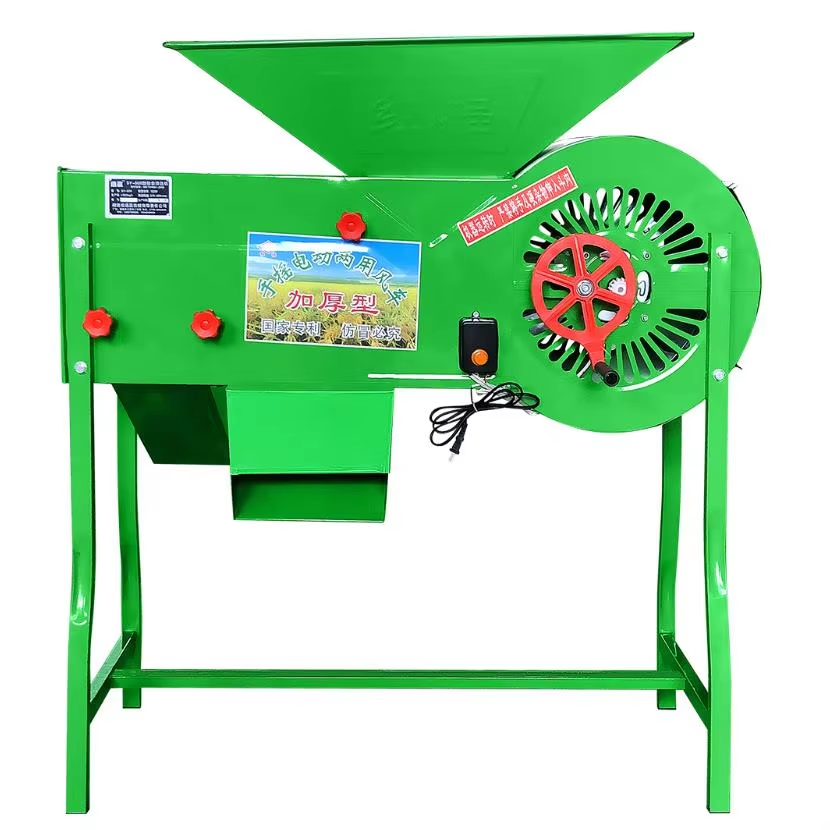
Modern agricultural practices demand efficient grain processing solutions that maximize yield while minimizing waste. The rice winnower stands as a pivotal technology in post-harvest grain cleaning operations, transforming traditional farming methods through advanced separation techniques. This specialized equipment addresses the critical challenge of removing chaff, dust, and impurities from harvested rice grains, ensuring superior product quality for commercial markets. Agricultural professionals worldwide recognize the rice winnower as an indispensable tool for optimizing grain cleaning efficiency while reducing labor costs and processing time.
Understanding Rice Winnower Technology and Design Principles
Core Components and Mechanical Configuration
The rice winnower incorporates sophisticated engineering principles that leverage airflow dynamics and gravitational separation to achieve optimal grain cleaning results. Central to its design is a high-velocity air system that creates controlled wind currents, enabling precise separation of rice grains from lighter chaff materials. The machine features adjustable air velocity controls, allowing operators to customize cleaning parameters based on specific grain characteristics and moisture content levels.
Advanced rice winnower models integrate multiple separation chambers that process grain through sequential cleaning stages. Each chamber utilizes different air pressure levels and flow patterns to remove various types of impurities, from fine dust particles to larger debris fragments. The systematic approach ensures comprehensive cleaning while maintaining grain integrity throughout the winnowing process.
Airflow Dynamics and Separation Mechanisms
The effectiveness of a rice winnower relies heavily on precisely engineered airflow patterns that create differential forces on materials with varying densities. Heavier rice grains follow predictable trajectories under controlled air currents, while lighter chaff and debris are carried away by the air stream. This fundamental principle enables consistent separation results across different rice varieties and processing conditions.
Modern rice winnower designs incorporate computational fluid dynamics principles to optimize air distribution patterns within the cleaning chamber. Strategic placement of air outlets and intake vents creates uniform wind fields that maximize separation efficiency while minimizing grain loss. The controlled environment ensures that valuable rice grains are preserved while unwanted materials are effectively removed from the final product.
Efficiency Advantages of Modern Rice Winnower Systems
Processing Speed and Throughput Optimization
Contemporary rice winnower technology delivers remarkable improvements in processing speed compared to traditional manual winnowing methods. Automated systems can process several tons of grain per hour, significantly reducing the time required for post-harvest cleaning operations. This enhanced throughput capability enables farmers and processing facilities to handle larger volumes efficiently, meeting increasing market demands while maintaining quality standards.
The consistent operation of a rice winnower eliminates the variability associated with manual labor, ensuring uniform cleaning results regardless of processing volume or operator skill level. Automated feed systems maintain steady grain flow rates, optimizing the separation process and preventing bottlenecks that could compromise cleaning efficiency. This reliability factor makes the rice winnower particularly valuable for commercial grain processing operations requiring predictable output rates.
Quality Enhancement and Contamination Reduction
Rice winnower technology excels at removing microscopic impurities that are difficult to eliminate through conventional cleaning methods. Advanced filtration systems capture fine dust particles, broken grain fragments, and foreign matter that could compromise product quality or storage life. The thorough cleaning process results in premium-grade rice that meets stringent quality specifications for export markets and premium domestic sales.
The precision cleaning capabilities of modern rice winnower equipment significantly reduce contamination risks that could lead to product rejection or price penalties. By maintaining consistent cleaning standards, processors can achieve higher market prices for their rice products while building stronger relationships with quality-conscious buyers. The investment in rice winnower technology often pays for itself through improved product valuations and reduced waste disposal costs.
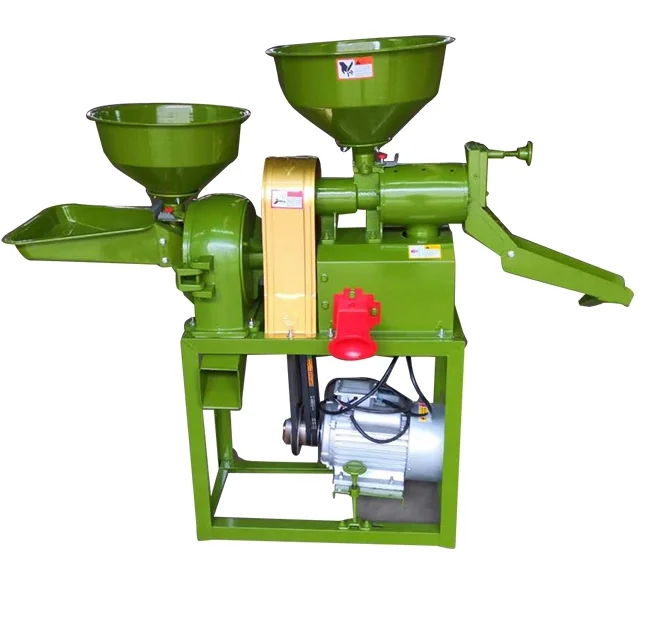
Operational Benefits and Cost-Effectiveness Analysis
Labor Reduction and Workforce Optimization
Implementation of rice winnower technology dramatically reduces manual labor requirements for grain cleaning operations. Traditional winnowing methods demand significant human resources and specialized skills, creating dependency on seasonal labor availability and increasing operational costs. Automated rice winnower systems eliminate these constraints by providing consistent performance with minimal operator intervention.
The reduced labor dependency enables agricultural operations to reallocate human resources to higher-value activities such as crop management, quality control, and market development. This workforce optimization creates opportunities for business growth while reducing exposure to labor shortage risks that commonly affect agricultural operations during peak processing seasons. The rice winnower effectively transforms labor-intensive operations into capital-efficient processes.
Energy Efficiency and Environmental Impact
Modern rice winnower designs prioritize energy efficiency through optimized motor systems and aerodynamic improvements that minimize power consumption while maximizing cleaning performance. Variable speed controls allow operators to adjust energy usage based on processing requirements, reducing operational costs and environmental impact. The efficient design principles result in lower carbon footprints compared to energy-intensive alternative cleaning methods.
The environmental benefits of rice winnower technology extend beyond energy savings to include reduced waste generation and improved resource utilization. Effective separation of chaff and organic debris creates valuable byproducts that can be used for animal feed, composting, or biomass fuel applications. This circular economy approach transforms waste streams into revenue opportunities while supporting sustainable agricultural practices.
Technical Specifications and Performance Metrics
Capacity Range and Scalability Options
Rice winnower manufacturers offer diverse capacity options ranging from small-scale units suitable for individual farms to industrial-grade systems designed for large processing facilities. Entry-level models typically process 500 to 2000 kilograms per hour, making them ideal for smallholder farmers and cooperative operations. These compact rice winnower units provide essential cleaning capabilities while maintaining affordability for resource-limited agricultural enterprises.
Large-scale rice winnower installations can process 10 to 50 tons per hour, meeting the demanding requirements of commercial grain elevators and export facilities. These high-capacity systems incorporate multiple processing lines and automated material handling equipment to maintain continuous operation. The scalable nature of rice winnower technology allows operations to expand processing capacity as business requirements grow.
Precision Control and Monitoring Systems
Advanced rice winnower models integrate sophisticated control systems that monitor processing parameters in real-time, ensuring optimal cleaning performance under varying operating conditions. Digital displays provide operators with immediate feedback on air pressure, feed rate, and separation efficiency metrics. These monitoring capabilities enable proactive adjustments that maintain consistent product quality while minimizing waste.
Programmable logic controllers in modern rice winnower systems store processing recipes for different grain varieties and quality specifications. This automation capability reduces operator training requirements while ensuring consistent results across different product runs. The digital control systems also provide data logging capabilities that support quality assurance programs and regulatory compliance requirements.
Installation and Maintenance Considerations
Site Preparation and Infrastructure Requirements
Successful rice winnower installation requires careful attention to site preparation and supporting infrastructure development. Adequate electrical supply capacity must be available to power the motor systems and control equipment, typically requiring three-phase power connections for larger units. Proper ventilation systems are essential to manage airborne dust and maintain safe working conditions during operation.
The foundation requirements for rice winnower installation depend on equipment size and vibration characteristics. Concrete pads provide stable mounting surfaces that minimize operational noise and ensure proper alignment of mechanical components. Adequate clearance space around the rice winnower facilitates maintenance access and material handling operations while ensuring compliance with safety regulations.
Preventive Maintenance and Service Protocols
Regular maintenance of rice winnower equipment is essential for sustaining optimal performance and extending service life. Daily inspection routines should include checking air filter condition, verifying proper belt tension, and monitoring bearing temperatures. These simple maintenance tasks prevent minor issues from developing into costly repairs while ensuring consistent cleaning performance.
Scheduled maintenance programs for rice winnower systems typically include monthly lubrication of moving parts, quarterly motor inspections, and annual overhauls of critical components. Maintaining detailed service records enables predictive maintenance strategies that minimize unexpected downtime while optimizing equipment reliability. Professional service support from qualified technicians ensures proper maintenance procedures and access to genuine replacement parts.
Market Applications and Industry Adoption
Agricultural Processing and Value Chain Integration
The rice winnower serves multiple roles within integrated agricultural value chains, from primary processing at farm level to secondary processing in commercial facilities. Farmer cooperatives increasingly invest in shared rice winnower equipment to provide members with access to professional-grade cleaning capabilities while spreading investment costs across multiple stakeholders. This collaborative approach enhances product quality for all participants while building stronger market positioning.
Food processing companies utilize rice winnower technology as part of comprehensive quality assurance programs that ensure consistent raw material specifications for downstream manufacturing processes. The precise cleaning capabilities enable processors to meet stringent quality requirements for specialty rice products, organic certifications, and export market standards. Integration of rice winnower systems supports vertical integration strategies that capture additional value throughout the supply chain.
Export Market Requirements and Certification Standards
International rice markets impose strict quality standards that require effective impurity removal and contamination prevention measures. Rice winnower technology plays a crucial role in meeting these requirements by providing consistent cleaning results that satisfy importing country regulations. The documented performance capabilities of modern rice winnower systems support quality certification processes required for premium export markets.
Organic rice production relies heavily on rice winnower technology to maintain product purity without chemical treatments or synthetic additives. The mechanical cleaning process preserves organic integrity while achieving the cleanliness standards required for organic certification programs. This capability positions rice winnower equipment as an essential investment for producers targeting high-value organic and specialty rice market segments.
FAQ
What factors determine the optimal rice winnower capacity for my operation?
The appropriate rice winnower capacity depends on your annual processing volume, peak season throughput requirements, and available processing time windows. Small farms processing 50-200 tons annually typically benefit from 1-2 ton per hour capacity units, while commercial operations handling 1000+ tons require 5-10 ton per hour systems. Consider future growth plans and seasonal processing constraints when selecting capacity to ensure adequate performance during peak harvest periods.
How does moisture content affect rice winnower cleaning efficiency?
Rice moisture content significantly impacts winnowing performance, with optimal results achieved at 12-14% moisture levels. Higher moisture content increases grain weight and reduces separation effectiveness, while overly dry rice becomes brittle and prone to breakage during processing. Pre-drying or conditioning may be necessary to achieve optimal moisture levels before winnowing, particularly when processing freshly harvested rice with elevated moisture content.
What maintenance schedule should I follow for my rice winnower equipment?
Implement daily inspections of air filters, belt tension, and operational parameters during active processing periods. Weekly cleaning of grain residue and lubrication of accessible fittings maintains optimal performance. Monthly comprehensive inspections should include motor condition, bearing temperature checks, and electrical connection verification. Annual professional service including component replacement and calibration ensures long-term reliability and performance consistency.
Can rice winnower technology process other grain types besides rice?
Many rice winnower systems can effectively process various small grains including wheat, barley, millet, and quinoa with appropriate adjustments to air velocity and feed rate settings. However, optimal performance requires calibration for specific grain characteristics such as size, weight, and chaff properties. Consult with equipment manufacturers regarding multi-grain capabilities and necessary modifications to ensure effective cleaning performance across different crop types.
Table of Contents
- Understanding Rice Winnower Technology and Design Principles
- Efficiency Advantages of Modern Rice Winnower Systems
- Operational Benefits and Cost-Effectiveness Analysis
- Technical Specifications and Performance Metrics
- Installation and Maintenance Considerations
- Market Applications and Industry Adoption
- FAQ