 EN
EN

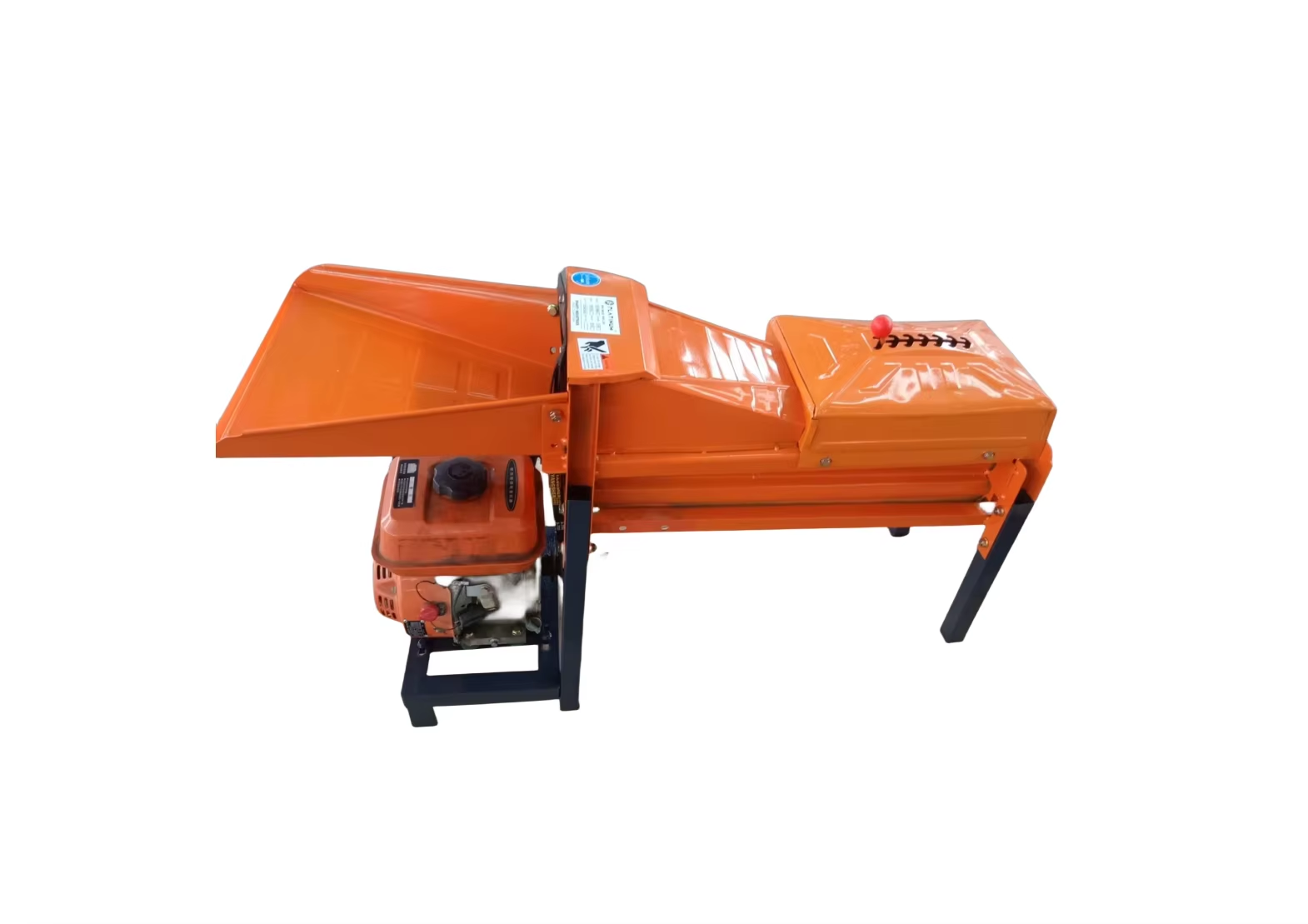
Modern agricultural operations depend heavily on efficient grain processing equipment to maximize productivity and profitability. A thresher serves as a cornerstone technology that separates grain from stalks and chaff, transforming harvested crops into marketable commodities. This essential farm equipment has revolutionized how farmers approach post-harvest processing, offering significant advantages over traditional manual methods. Understanding the capabilities and applications of thresher technology enables farm operators to make informed decisions about equipment investments that directly impact their operational efficiency and bottom line.
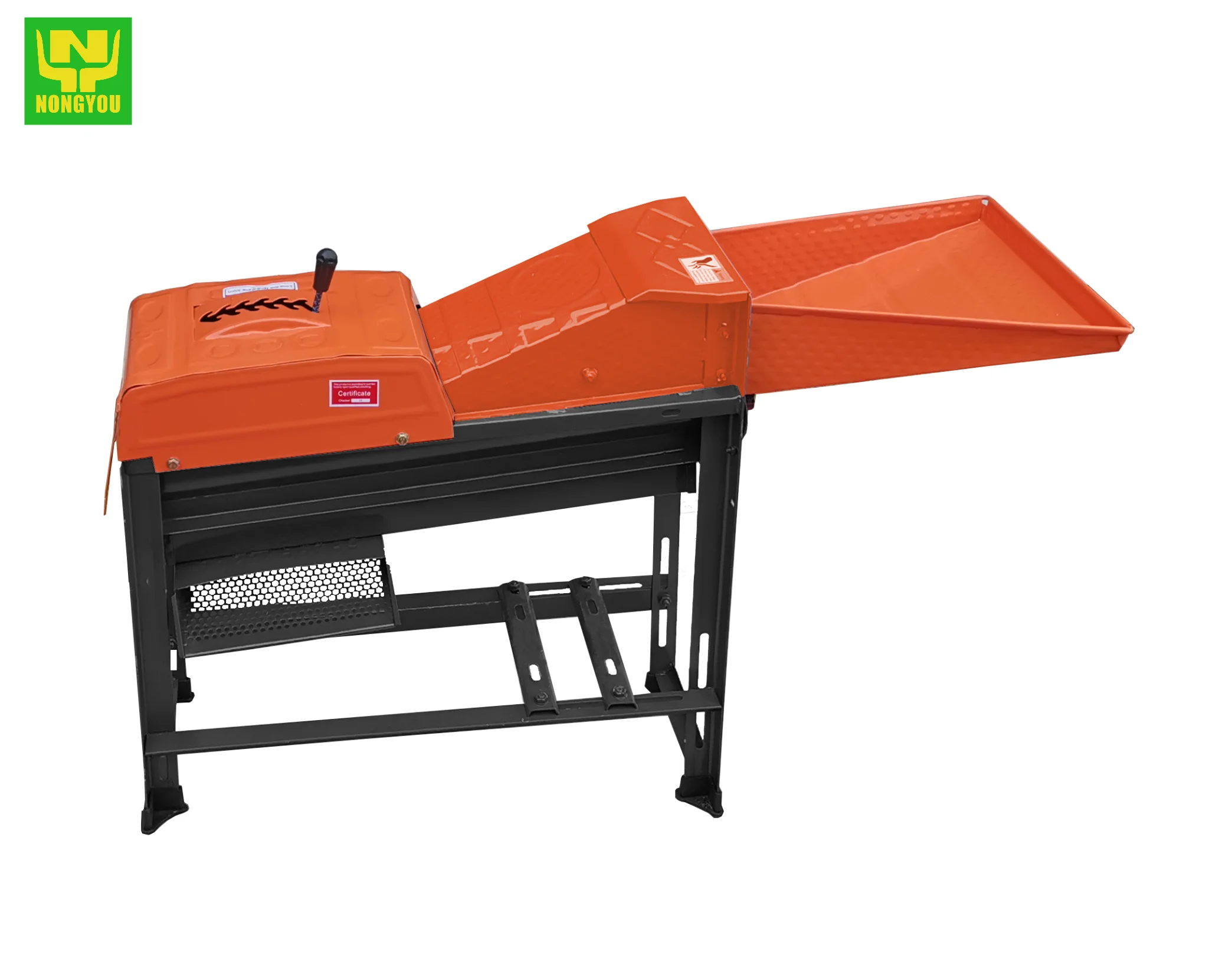
Understanding Thresher Technology and Functionality
Core Components and Operating Principles
The fundamental design of a thresher incorporates several critical components that work synergistically to achieve optimal grain separation. The beating mechanism, typically consisting of rotating drums or cylinders, creates the primary action that dislodges grain from crop stalks. These components operate at carefully calibrated speeds to ensure thorough separation without damaging the grain quality. The concave system works in conjunction with the beating mechanism, providing the necessary resistance and surface area for effective threshing action.
Advanced thresher models incorporate sophisticated cleaning systems that utilize air flow and screening mechanisms to separate grain from chaff and debris. These cleaning components ensure that the final product meets quality standards required for market sale or storage. The separation process relies on differences in weight and aerodynamic properties between grain and unwanted materials. Modern thresher designs optimize these physical principles through precision engineering and adjustable settings.
Power transmission systems in contemporary thresher equipment deliver consistent performance across varying crop conditions and volumes. These systems typically feature robust gearing mechanisms that maintain optimal operating speeds while minimizing wear and maintenance requirements. The integration of safety features and operator controls enhances both efficiency and user safety during extended operation periods.
Technological Innovations in Modern Equipment
Recent technological advancements have significantly enhanced thresher capabilities, incorporating digital monitoring systems that provide real-time performance data. These innovations enable operators to optimize settings based on crop conditions and desired output quality. Advanced models feature automated adjustment mechanisms that respond to changing grain moisture levels and crop density variations. Such technological integration represents a substantial leap forward from traditional mechanical-only systems.
Precision engineering in modern thresher construction utilizes high-strength materials and improved manufacturing techniques to enhance durability and performance consistency. These improvements reduce maintenance frequencies and extend equipment lifespan, providing better return on investment for farm operations. Enhanced bearing systems and improved sealing technologies contribute to reduced downtime and maintenance costs.
Variable speed control systems allow operators to fine-tune thresher performance for different crop types and conditions. This adaptability ensures optimal grain recovery rates while minimizing damage to both grain and equipment. The incorporation of user-friendly control interfaces simplifies operation and reduces the learning curve for new operators.
Efficiency Benefits for Small-Scale Farm Operations
Labor Reduction and Time Savings
Small-scale farms experience dramatic labor cost reductions when implementing thresher technology compared to manual grain separation methods. A single thresher unit can replace multiple workers, significantly reducing labor expenses during harvest seasons when wage costs typically peak. This labor efficiency translates into immediate cost savings and improved profit margins for smaller agricultural operations with limited budgets.
Time savings achieved through mechanical threshing enable small farmers to process larger crop volumes within optimal harvest windows. This timing advantage helps preserve grain quality and maximizes market value potential. The rapid processing capability of a thresher allows farmers to respond quickly to favorable market conditions or weather changes that might affect crop quality.
Reduced dependency on manual labor also addresses seasonal worker availability challenges that many small farms encounter. The reliability of mechanical processing ensures consistent harvest completion regardless of labor market conditions. This independence provides operational stability and planning predictability for small farm business models.
Quality Improvement and Yield Optimization
Mechanical threshing consistently produces cleaner grain with reduced contamination compared to manual processing methods. The controlled separation process minimizes foreign material inclusion while maximizing grain recovery rates. This quality improvement directly impacts market value and storage characteristics of the processed grain.
Uniform processing achieved through thresher operation ensures consistent grain size and cleanliness standards throughout the harvest. This consistency supports premium pricing opportunities and facilitates easier marketing to quality-conscious buyers. The standardized output also simplifies storage management and reduces post-processing sorting requirements.
Reduced grain damage during threshing preserves seed viability for farmers who retain portions of their harvest for replanting. This benefit provides additional cost savings and maintains genetic consistency in crop production programs. The gentle but effective separation action of modern thresher equipment protects grain integrity while achieving thorough separation.
Scaling Efficiency for Large Agricultural Enterprises
High-Volume Processing Capabilities
Large-scale agricultural operations benefit from the substantial processing capacity that industrial thresher equipment provides. These high-capacity units can process hundreds of tons of grain daily, supporting the volume requirements of commercial farming enterprises. The continuous operation capability enables large farms to complete harvest processing within tight scheduling windows critical for maintaining grain quality and market timing.
Advanced thresher systems designed for large operations incorporate multiple processing chambers and enhanced material handling systems. These features maximize throughput while maintaining consistent separation quality across high volumes. The integration of automated feeding systems and discharge mechanisms minimizes operator intervention requirements during extended processing runs.
Scalable thresher configurations allow large farms to adjust processing capacity based on seasonal demands and crop variations. This flexibility supports efficient resource utilization and helps optimize equipment investment returns. The ability to configure multiple units or adjust single-unit capacity provides operational adaptability essential for large-scale agricultural success.
Integration with Farm Management Systems
Modern thresher equipment integrates seamlessly with comprehensive farm management software systems, providing detailed production data and performance analytics. This integration enables large operations to track processing efficiency, identify optimization opportunities, and maintain detailed records for regulatory compliance. Data connectivity supports evidence-based decision making and continuous improvement initiatives.
Automated monitoring systems in advanced thresher units provide real-time alerts for maintenance needs and performance deviations. This predictive maintenance approach minimizes unexpected downtime and extends equipment lifespan. Large operations particularly benefit from this reliability given their substantial processing volume requirements and tight operational schedules.
Remote monitoring capabilities allow farm managers to oversee multiple thresher units from centralized control locations. This oversight capability improves operational coordination and enables rapid response to processing issues or optimization opportunities. The centralized control approach enhances overall farm efficiency and reduces supervision labor requirements.
Economic Impact and Return on Investment
Cost Analysis and Payback Periods
Investment in thresher equipment typically generates positive returns within two to three growing seasons for most farm sizes. The payback calculation includes labor cost savings, processing time reductions, and quality improvements that command premium pricing. Small farms often see faster payback periods due to the dramatic labor cost reductions achieved through mechanical processing.
Operating cost comparisons between manual and mechanical threshing demonstrate substantial ongoing savings throughout the equipment lifespan. Fuel and maintenance costs for thresher operation remain significantly lower than equivalent manual labor expenses. These operating cost advantages compound over time, providing increasing value as equipment ages.
Financing options and equipment leasing programs make thresher technology accessible to farms with limited capital resources. These financing structures enable smaller operations to realize efficiency benefits without substantial upfront investments. The improved cash flow from enhanced processing efficiency often supports equipment payment obligations while maintaining positive operational margins.
Market Competitiveness and Profitability
Farms utilizing thresher technology gain significant competitive advantages through improved processing speed and grain quality consistency. These advantages translate into better market positioning and enhanced negotiating power with grain buyers. The ability to deliver consistent quality products on schedule strengthens customer relationships and supports premium pricing opportunities.
Enhanced processing capacity enables farms to expand production volumes without proportional increases in labor costs. This scalability supports business growth strategies and improves overall profitability per acre cultivated. The operational efficiency gains create opportunities for market expansion and crop diversification initiatives.
Risk reduction achieved through reliable mechanical processing protects farm profitability during challenging harvest conditions. Weather independence and reduced labor dependency minimize external factors that could impact harvest completion. This reliability provides valuable business stability and predictable operational outcomes.
Maintenance and Operational Best Practices
Preventive Maintenance Strategies
Effective maintenance programs for thresher equipment focus on regular inspection schedules and proactive component replacement before failures occur. Daily pre-operation checks should include lubrication levels, belt tensions, and cleaning system functionality. These routine inspections prevent minor issues from developing into major repair requirements that could interrupt harvest operations.
Seasonal maintenance protocols ensure optimal thresher performance throughout harvest periods when equipment reliability is most critical. Pre-season overhauls should address wear components, calibration adjustments, and safety system verification. Post-season maintenance includes thorough cleaning, protective storage preparations, and component condition documentation for future reference.
Spare parts inventory management ensures rapid repair capability when maintenance issues arise during busy harvest seasons. Critical components such as belts, bearings, and cleaning screens should be readily available to minimize downtime. Establishing relationships with reliable parts suppliers and service providers supports efficient maintenance execution.
Operator Training and Safety Considerations
Comprehensive operator training programs enhance both thresher efficiency and workplace safety throughout farm operations. Training should cover equipment operation procedures, troubleshooting techniques, and emergency response protocols. Well-trained operators maximize equipment productivity while minimizing accident risks and equipment damage.
Safety protocols for thresher operation include proper protective equipment usage, lockout procedures for maintenance activities, and emergency stop system familiarity. Regular safety training updates ensure operators remain current with best practices and regulatory requirements. Safety compliance protects both personnel and farm business interests.
Performance optimization training teaches operators to recognize optimal settings for different crop conditions and quality objectives. This knowledge enables real-time adjustments that maximize grain recovery while maintaining processing speed. Skilled operators contribute significantly to overall thresher efficiency and grain quality outcomes.
FAQ
What types of crops can be processed using a thresher?
Most grain crops including wheat, rice, corn, soybeans, and various legumes can be effectively processed using appropriate thresher configurations. Different crop types may require specific adjustment settings or attachments to optimize separation efficiency and grain quality. Modern thresher units often feature adjustable components that accommodate multiple crop varieties within a single machine design.
How much maintenance does a thresher typically require?
Regular thresher maintenance includes daily lubrication checks during operation seasons, weekly belt and component inspections, and annual overhauls that address wear components and calibration adjustments. Most maintenance tasks can be performed by farm personnel with basic mechanical skills, though complex repairs may require professional service support. Proper maintenance typically requires 10-15 hours monthly during active use periods.
What power requirements are needed to operate a thresher effectively?
Power requirements vary significantly based on thresher size and capacity, ranging from 15-25 horsepower for small farm units to 100+ horsepower for large commercial models. Tractors or dedicated engines can provide necessary power through PTO connections or direct drive systems. Electrical requirements for automated systems typically range from standard 220V single-phase to 480V three-phase connections depending on equipment sophistication.
Can a thresher improve grain storage life and quality?
Yes, mechanical threshing typically produces cleaner grain with reduced moisture content and foreign material contamination compared to manual processing methods. This improved cleanliness and uniformity enhances storage characteristics and reduces spoilage risks during long-term storage periods. The consistent processing also facilitates better aeration and pest management in storage facilities, extending grain quality preservation throughout marketing periods.