 EN
EN

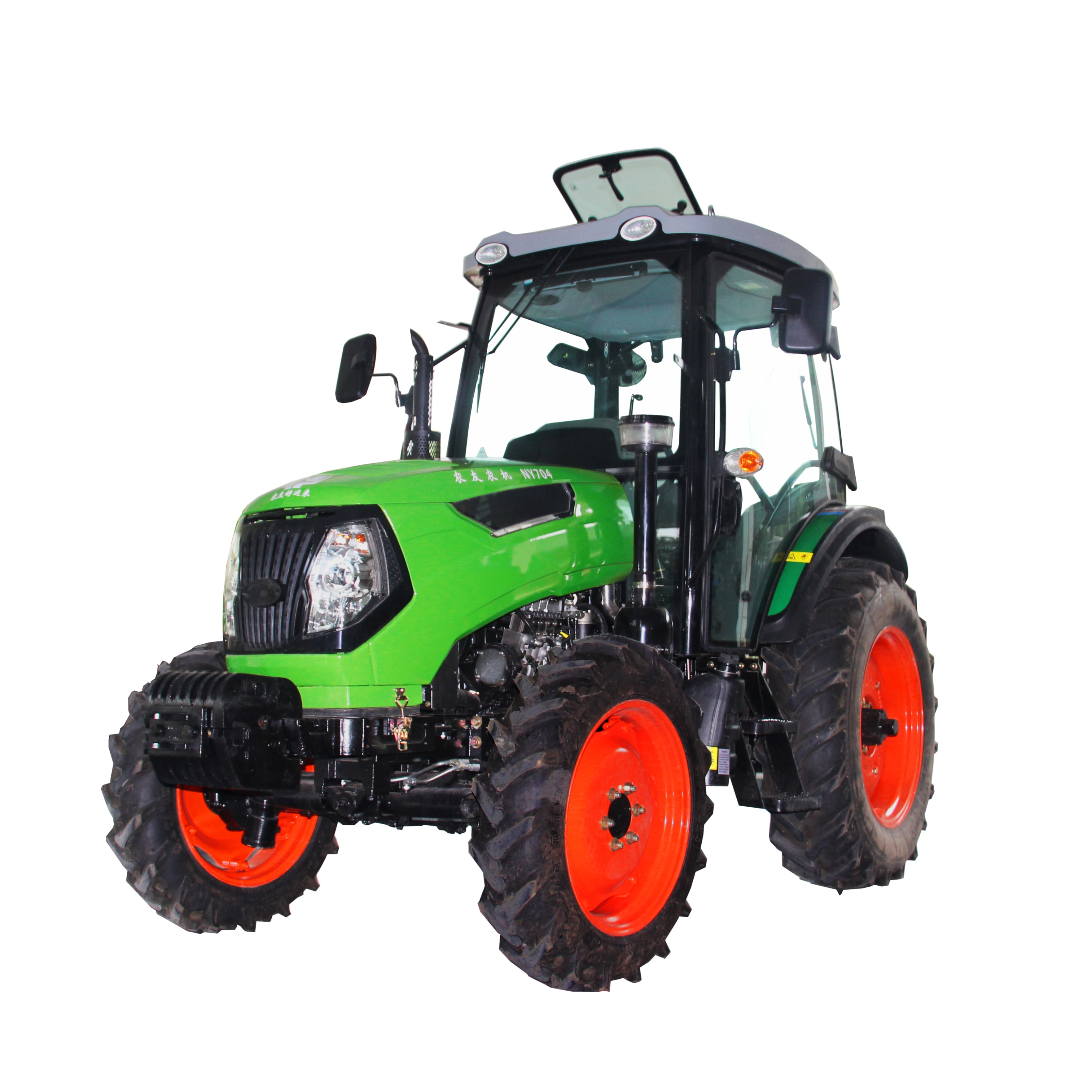
Modern agriculture demands efficiency, reliability, and versatility to meet growing global food demands. A high-quality farm tractor serves as the cornerstone of productive agricultural operations, transforming labor-intensive tasks into streamlined processes that maximize both time and resource utilization. Today's farm tractor technology has evolved significantly, offering farmers unprecedented capabilities to enhance productivity across diverse agricultural applications.
The integration of a reliable farm tractor into agricultural workflows represents a fundamental shift from traditional farming methods toward mechanized efficiency. Whether managing small-scale family operations or large commercial enterprises, the right farm tractor configuration can dramatically reduce manual labor requirements while simultaneously improving output quality and consistency. Understanding how these versatile machines enhance productivity across different farm operations is essential for making informed equipment investment decisions.
Core Productivity Benefits of Modern Farm Tractors
Power and Performance Optimization
A well-engineered farm tractor delivers consistent power output that enables farmers to complete tasks more efficiently than manual methods or outdated equipment. Modern engines provide optimal torque characteristics that maintain performance across varying load conditions, ensuring steady productivity regardless of soil conditions or implement requirements. This reliability translates directly into reduced downtime and increased operational capacity throughout demanding harvest seasons.
The power-to-weight ratio of contemporary farm tractor designs maximizes fuel efficiency while delivering superior traction capabilities. Advanced transmission systems allow operators to select optimal gear ratios for specific applications, ensuring that engine power is effectively transferred to ground engagement or implement operation. These engineering improvements result in measurable productivity gains compared to older equipment generations.
Versatility Across Agricultural Applications
Modern farm tractor platforms accommodate extensive implement compatibility, allowing single machines to perform multiple functions throughout agricultural cycles. Hydraulic systems provide precise control for various attachments, from tillage equipment to harvesting implements, enabling farmers to maximize equipment utilization across seasonal operations. This versatility reduces the need for specialized machinery while maintaining operational flexibility.
The standardized PTO (Power Take-Off) and hydraulic connections on quality farm tractor models ensure seamless integration with diverse agricultural implements. Quick-attach systems further enhance operational efficiency by reducing implement changeover time, allowing farmers to transition between different tasks without extended setup periods. This adaptability proves particularly valuable for mixed-operation farms requiring varied equipment capabilities.
Soil Management and Field Preparation Enhancement
Advanced Tillage Capabilities
Effective soil preparation forms the foundation of successful crop production, and a capable farm tractor provides the power and precision necessary for optimal tillage operations. Modern tractors deliver consistent draft force that ensures uniform soil preparation across entire field areas, creating ideal seedbed conditions that promote superior germination rates and crop establishment.
The three-point hitch system standard on quality farm tractor models enables precise implement positioning and depth control during tillage operations. This precision reduces soil compaction while ensuring adequate soil aeration and organic matter incorporation. Proper tillage practices supported by reliable tractor performance contribute significantly to long-term soil health and sustained productivity improvements.
Precision Field Operations
Contemporary farm tractor designs incorporate advanced guidance systems that improve operational accuracy while reducing operator fatigue. GPS integration and automated steering capabilities enable consistent pass-to-pass accuracy, minimizing field overlap and ensuring complete coverage during critical operations like planting and fertilizer application.
The enhanced visibility and ergonomic design of modern farm tractor cabs support extended operation periods while maintaining operator awareness and control precision. Improved sight lines to implement attachment points and field conditions enable more accurate operation, reducing waste and improving overall field management effectiveness. These operator comfort features directly translate into sustained productivity throughout demanding work periods.
Planting and Seeding Operation Efficiency
Precision Planting Systems
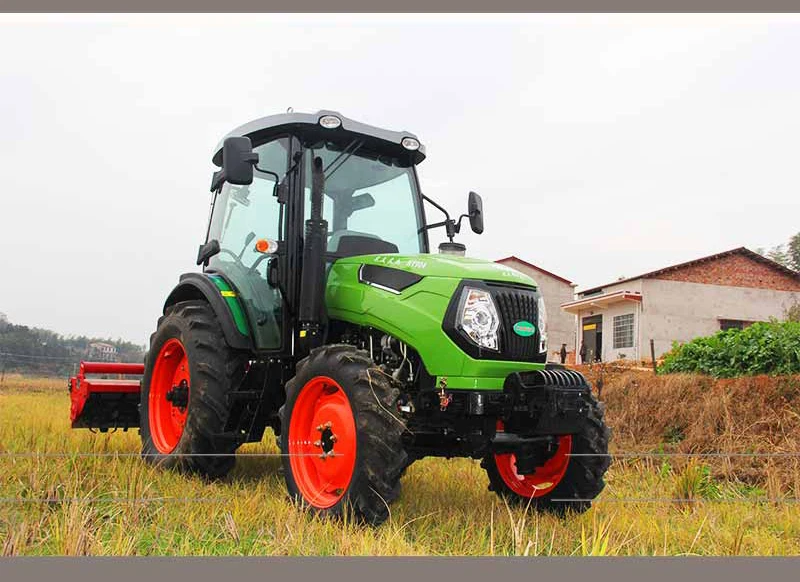
A reliable farm tractor provides the stable platform necessary for precision planting equipment that ensures optimal seed placement and spacing. Consistent ground speed control maintains accurate seeding rates across varying field conditions, while hydraulic system precision enables real-time planting depth adjustments based on soil conditions and crop requirements.
Modern farm tractor hydraulic systems support advanced planting implement features like individual row shut-offs and variable rate seeding capabilities. These technologies enable farmers to optimize seed placement for specific field zones while avoiding waste in non-productive areas such as waterways or previously planted headlands. The resulting efficiency improvements contribute to both cost reduction and yield optimization.
Seedbed Preparation Integration
Effective farm tractor operation enables seamless integration of seedbed preparation and planting operations, reducing the number of field passes required while maintaining soil structure integrity. Combined tillage and planting systems powered by capable tractors minimize soil disturbance while ensuring proper seed-to-soil contact essential for successful germination.
The power management capabilities of quality farm tractor models support simultaneous operation of multiple implements during planting operations. This integration reduces fuel consumption, labor requirements, and equipment wear while maintaining precise control over critical planting parameters. Farmers benefit from reduced operational costs and improved timing flexibility during narrow planting windows.
Crop Maintenance and Protection Strategies
Efficient Chemical Application
Modern farm tractor platforms provide ideal mounting points and power sources for precision spray equipment that ensures uniform chemical application across crop areas. Consistent travel speeds and stability characteristics enable accurate spray pattern coverage while minimizing drift and environmental impact concerns associated with crop protection programs.
The hydraulic capacity and electrical systems available on contemporary farm tractor models support advanced sprayer features including boom section control, variable rate application, and automated nozzle selection systems. These capabilities enable farmers to optimize chemical usage while ensuring adequate crop protection, resulting in improved cost-effectiveness and environmental stewardship practices.
Cultivation and Weed Management
Mechanical cultivation powered by reliable farm tractor operation provides effective weed control alternatives that reduce chemical dependency while maintaining crop health and productivity. Precise implement control enables close cultivation that removes weeds without damaging crop root systems or plant structures.
The maneuverability and control precision of modern farm tractor designs support specialized cultivation implements that provide targeted weed control in row crops. Variable geometry cultivation systems adjust automatically to crop spacing and growth stage requirements, ensuring effective weed suppression while promoting optimal crop development conditions throughout the growing season.
Harvest Operation Optimization
Efficient Crop Collection
During harvest periods, farm tractor versatility enables efficient crop collection and transport operations that maximize quality preservation while minimizing harvest losses. Proper power management ensures consistent operation of harvest implements while maintaining optimal ground speeds for complete crop recovery across diverse field conditions.
The load-carrying capacity and stability characteristics of quality farm tractor designs support heavy harvest implements and full crop loads without compromising operational safety or efficiency. Enhanced braking systems and transmission control enable safe operation on varied terrain while fully loaded, ensuring reliable performance during critical harvest timing windows.
Post-Harvest Field Management
Following harvest completion, farm tractor capabilities enable efficient residue management and field preparation for subsequent cropping cycles. Residue chopping and incorporation operations powered by reliable tractors ensure proper organic matter distribution while preparing fields for fall tillage or cover crop establishment.
The hydraulic power and implement compatibility of modern farm tractor systems support diverse post-harvest operations including stalk chopping, field cleanup, and soil sampling activities. These capabilities enable farmers to maintain field productivity while preparing for future planting seasons, maximizing annual land use efficiency and soil health maintenance.
Economic Impact and Return on Investment
Operational Cost Reduction
Investment in a quality farm tractor generates measurable operational cost reductions through improved fuel efficiency, reduced labor requirements, and enhanced equipment longevity. Modern engine technologies and transmission systems optimize fuel consumption across varying load conditions, resulting in lower per-acre operating costs compared to older equipment or custom operation alternatives.
The reliability and durability characteristics of well-engineered farm tractor models minimize maintenance downtime and repair expenses while extending overall equipment service life. Preventive maintenance programs supported by accessible service points and diagnostic capabilities reduce unexpected failures and associated productivity losses during critical operational periods.
Productivity and Revenue Enhancement
Enhanced farm tractor capabilities enable farmers to complete operations within optimal timing windows that maximize crop yield potential and quality characteristics. Timely field operations supported by reliable equipment translate directly into improved harvest outcomes and increased revenue generation from agricultural enterprises.
The capacity improvements enabled by modern farm tractor technology allow farmers to manage larger operational areas with existing labor resources, improving overall enterprise scale efficiency. Increased operational capacity supports business growth opportunities while maintaining manageable labor and overhead cost structures essential for long-term profitability.
Technology Integration and Future Readiness
Smart Agriculture Compatibility
Contemporary farm tractor platforms incorporate advanced technology integration capabilities that support precision agriculture implementations including GPS guidance, variable rate application systems, and automated control features. These technologies enable data-driven decision making that optimizes input usage while maximizing productivity outcomes across diverse field conditions.
The electronic systems and communication capabilities built into modern farm tractor designs facilitate integration with farm management software and remote monitoring systems. Real-time operational data collection enables continuous improvement of farming practices while supporting regulatory compliance and sustainability reporting requirements increasingly important in agricultural markets.
Adaptability to Emerging Practices
Quality farm tractor designs incorporate flexible mounting systems and electrical capacity that accommodate emerging agricultural technologies and implement innovations. This adaptability ensures that equipment investments remain viable as farming practices evolve and new efficiency opportunities become available.
The modular design approach used in advanced farm tractor development enables retrofit installation of new technologies without requiring complete equipment replacement. This upgradeability protects farmer investments while enabling adoption of productivity-enhancing innovations as they become commercially available and economically justified.
FAQ
What horsepower range is most suitable for small to medium farm operations?
For small to medium farm operations typically ranging from 50 to 300 acres, farm tractor models in the 70-90 horsepower range provide optimal versatility and efficiency. This power range supports most common agricultural implements while maintaining reasonable fuel consumption and operational costs. The 70-90 HP range enables effective field preparation, planting, cultivation, and light harvest operations without excessive capacity that increases operating expenses unnecessarily.
How does farm tractor maintenance impact long-term productivity?
Regular farm tractor maintenance directly correlates with sustained productivity through reduced downtime, optimal performance retention, and extended equipment service life. Proper maintenance schedules prevent unexpected failures during critical operational periods while ensuring that engine performance, hydraulic function, and transmission operation remain at peak efficiency levels. Well-maintained farm tractor equipment typically provides 15-20 years of reliable service with consistent productivity capabilities.
What implement compatibility features should farmers prioritize when selecting a farm tractor?
Essential implement compatibility features include standardized three-point hitch categories, adequate PTO horsepower output, sufficient hydraulic flow capacity, and multiple remote hydraulic connections. These features ensure that farm tractor platforms can accommodate diverse implements from different manufacturers while providing adequate power and control capabilities. Quick-attach systems and ISOBUS compatibility further enhance operational efficiency by reducing setup time and enabling advanced implement control integration.
How do modern farm tractor fuel efficiency improvements impact operational costs?
Modern farm tractor fuel efficiency improvements can reduce operational costs by 15-25% compared to equipment manufactured 10-15 years ago. Advanced engine management systems, improved transmission efficiency, and optimized hydraulic designs contribute to lower fuel consumption per acre worked. These efficiency gains become particularly significant during high-usage periods like planting and harvest when farm tractor operation hours are maximized across large acreage areas.
Table of Contents
- Core Productivity Benefits of Modern Farm Tractors
- Soil Management and Field Preparation Enhancement
- Planting and Seeding Operation Efficiency
- Crop Maintenance and Protection Strategies
- Harvest Operation Optimization
- Economic Impact and Return on Investment
- Technology Integration and Future Readiness
-
FAQ
- What horsepower range is most suitable for small to medium farm operations?
- How does farm tractor maintenance impact long-term productivity?
- What implement compatibility features should farmers prioritize when selecting a farm tractor?
- How do modern farm tractor fuel efficiency improvements impact operational costs?