 EN
EN

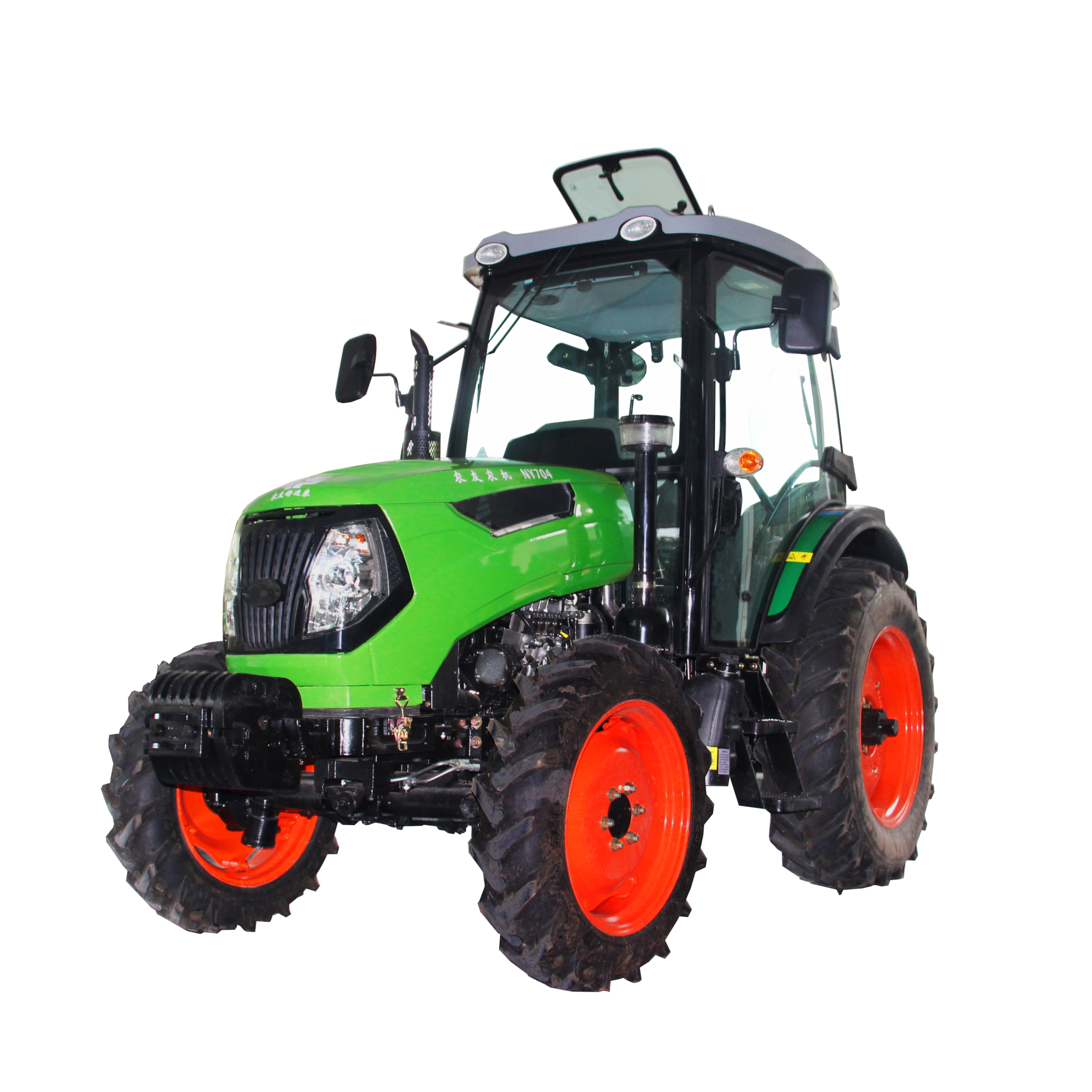
Selecting the right agricultural equipment represents one of the most critical decisions facing modern farmers and agricultural enterprises. Among all machinery investments, choosing appropriate farm tractors requires careful evaluation of multiple factors that directly impact operational efficiency, productivity, and long-term profitability. The complexity of today's agricultural landscape demands thorough consideration of technical specifications, economic implications, and practical applications when evaluating potential tractor purchases.
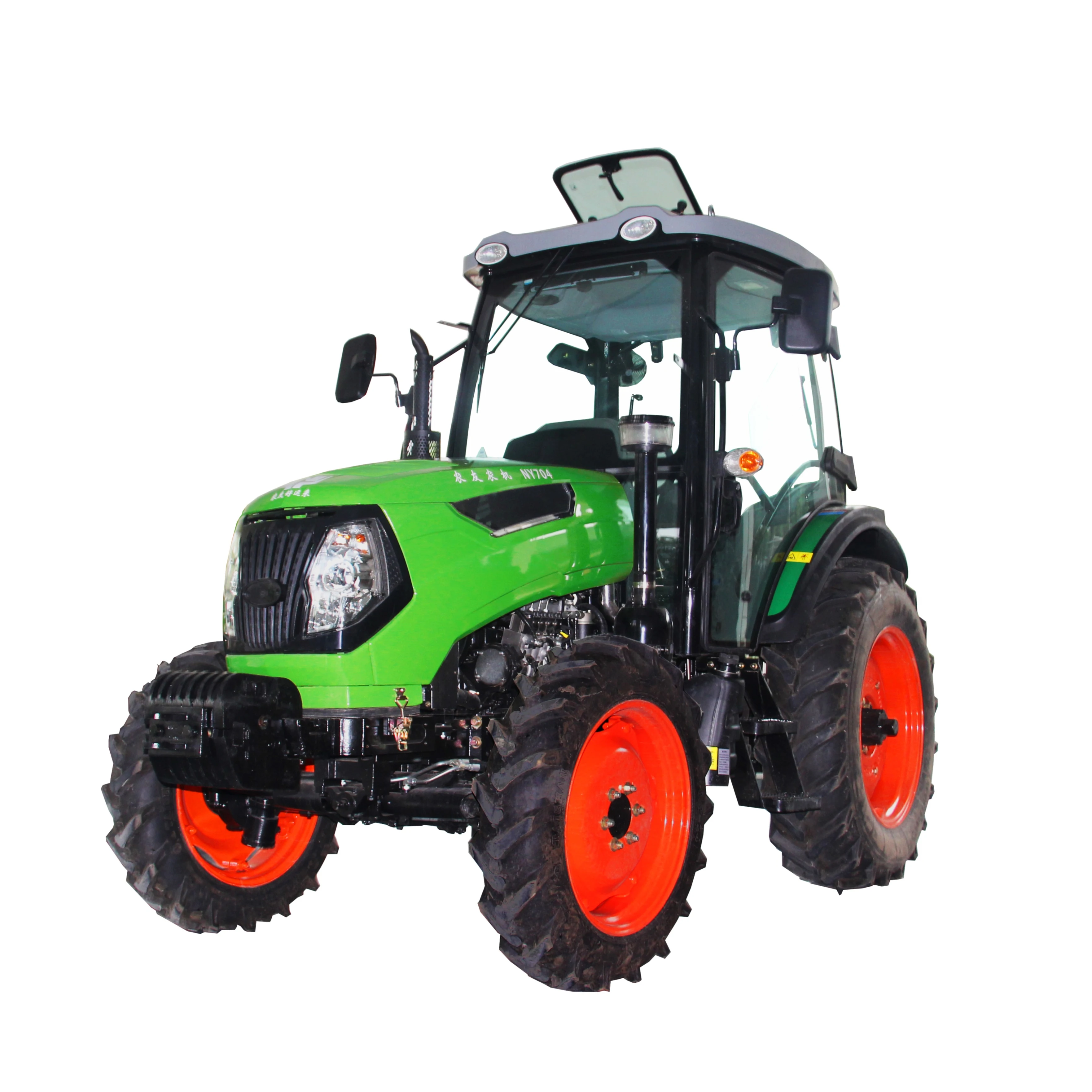
Modern agricultural operations depend heavily on reliable, efficient machinery to maintain competitive advantage in increasingly challenging market conditions. The investment in quality farm tractors extends beyond immediate operational needs, encompassing factors such as versatility, durability, maintenance requirements, and adaptability to evolving agricultural practices. Understanding these considerations enables buyers to make informed decisions that align with both current requirements and future expansion plans.
Power and Performance Specifications
Engine Horsepower Requirements
Determining appropriate engine horsepower stands as the foundational element in selecting suitable farm tractors for specific agricultural applications. The relationship between horsepower output and intended use directly influences operational efficiency, fuel consumption, and overall performance across various farming tasks. Agricultural operations requiring heavy-duty applications such as deep tillage, large-scale planting, or extensive harvesting typically demand higher horsepower ratings ranging from 70HP to 200HP or more.
Buyers must carefully assess their primary agricultural activities to establish minimum horsepower requirements while considering future expansion possibilities. Insufficient horsepower leads to reduced productivity, increased wear on mechanical components, and higher operational costs due to extended working hours. Conversely, excessive horsepower results in unnecessary fuel consumption and higher initial investment costs that may not provide proportional returns on agricultural productivity.
Transmission and Drive Systems
Modern farm tractors incorporate various transmission technologies designed to optimize power delivery and operational control across diverse agricultural conditions. Mechanical transmissions offer simplicity and reliability for basic agricultural tasks, while hydrostatic transmissions provide infinite speed control and enhanced maneuverability for precision farming applications. Advanced powershift transmissions deliver seamless gear changes without interrupting power flow, improving productivity during time-sensitive operations.
Four-wheel drive capability significantly enhances traction and stability in challenging field conditions, particularly beneficial for operations in wet soils, steep terrain, or heavy-load applications. The selection between two-wheel and four-wheel drive systems depends on specific agricultural requirements, terrain characteristics, and budget considerations. Buyers should evaluate drive system options based on their predominant working conditions and performance expectations.
Size and Maneuverability Considerations
Physical Dimensions and Weight Distribution
The physical dimensions of farm tractors directly impact their suitability for specific agricultural environments and operational requirements. Compact tractors excel in orchards, vineyards, and greenhouse applications where space constraints limit maneuverability, while larger utility tractors provide enhanced stability and power for open-field operations. Weight distribution affects soil compaction, traction performance, and overall stability during various agricultural tasks.
Wheelbase length influences turning radius and stability characteristics, with shorter wheelbases providing enhanced maneuverability in confined spaces and longer wheelbases offering improved stability for heavy-load applications. Ground clearance specifications determine suitability for row-crop cultivation and navigation over uneven terrain. Buyers must balance size requirements with operational flexibility to ensure optimal performance across their intended applications.
Turning Radius and Field Efficiency
Turning radius capabilities significantly influence field efficiency and operational productivity, particularly in irregularly shaped fields or areas requiring frequent direction changes. Tight turning radii reduce the need for wide headlands, maximizing cultivatable area and minimizing unproductive maneuvering time. Modern farm tractors incorporate advanced steering systems and articulated designs to enhance maneuverability without compromising stability or power transmission efficiency.
Field efficiency calculations should consider turning radius specifications alongside working width capabilities to optimize overall productivity. Reduced turning requirements translate to decreased fuel consumption, lower operational costs, and improved operator comfort during extended working periods. Agricultural enterprises operating in diverse field configurations benefit from tractors offering optimal balance between straight-line performance and maneuvering capabilities.
Hydraulic System Capabilities
Flow Rate and Pressure Specifications
Hydraulic system performance determines the compatibility and efficiency of implement operations, making it a crucial consideration when evaluating farm tractors for modern agricultural applications. Adequate hydraulic flow rates ensure optimal performance of implements requiring continuous hydraulic power, such as mowers, balers, and processing equipment. Insufficient flow rates result in sluggish implement response, reduced operational speed, and potential equipment damage.
System pressure ratings influence the types of implements that can be effectively operated, with higher pressure systems supporting more demanding applications such as heavy-duty loaders, post-hole diggers, and hydraulic-powered tillage equipment. Buyers should verify hydraulic specifications against their current and anticipated implement requirements to ensure compatibility and optimal performance across all applications.
Remote Valve Configuration
The number and configuration of remote hydraulic valves directly impact implement versatility and operational efficiency. Multiple remote valves enable simultaneous operation of complex implements while maintaining precise control over individual functions. Modern agricultural implements increasingly require multiple hydraulic circuits for optimal performance, making adequate remote valve provision essential for maximizing equipment utilization.
Valve control systems range from basic mechanical levers to advanced electronic joystick configurations with programmable settings and automatic sequencing capabilities. Electronic control systems provide enhanced precision, operator comfort, and the ability to store operational settings for different implements. Buyers should evaluate control system sophistication against their operational requirements and operator skill levels.
Power Take-Off Systems
PTO Speed Options and Standards
Power take-off systems provide mechanical power transmission from farm tractors to implements, making PTO specifications critical for implement compatibility and operational efficiency. Standard PTO speeds include 540 RPM and 1000 RPM configurations, with many modern tractors offering both options to accommodate diverse implement requirements. The ability to switch between PTO speeds enhances operational flexibility and enables optimal implement performance across various applications.
PTO engagement systems range from mechanical clutch mechanisms to electronic engagement with soft-start capabilities that reduce shock loads on both tractor and implement components. Smooth engagement systems extend component life, reduce maintenance requirements, and improve operator safety during PTO-powered operations. Independent PTO operation allows implement operation while the tractor remains stationary, beneficial for applications such as stationary processing or hydraulic power generation.
Safety and Control Features
Modern farm tractors incorporate comprehensive safety systems designed to protect operators and equipment during PTO operations. Safety shields, emergency stops, and interlock systems prevent accidental contact with rotating components while ensuring immediate shutdown capabilities in emergency situations. Advanced tractors feature integrated safety monitoring systems that automatically disengage PTO power when unsafe conditions are detected.
PTO control integration with tractor management systems enables automatic speed control, load monitoring, and performance optimization based on implement requirements and operating conditions. These advanced features enhance operational safety, improve fuel efficiency, and reduce operator fatigue during extended PTO-powered operations. Buyers should prioritize safety features and control sophistication based on their operational requirements and safety priorities.
Comfort and Operator Environment
Cab Design and Ergonomics
Operator comfort and safety directly influence productivity, making cab design a significant consideration when selecting farm tractors for extended agricultural operations. Modern tractor cabs incorporate advanced ergonomic designs, climate control systems, and noise reduction technologies to create comfortable working environments that reduce operator fatigue and enhance performance. Spacious cab designs accommodate operators of various sizes while providing clear visibility in all directions.
Seat design and adjustment capabilities significantly impact operator comfort during long working days, with premium seating systems offering air suspension, heating, cooling, and memory settings for optimal comfort across different operators. Control placement and accessibility influence operational efficiency and safety, with intuitive layouts reducing learning curves and minimizing operational errors. Buyers should evaluate cab features based on typical operating conditions and operator preferences.
Technology Integration and Instrumentation
Advanced instrumentation and technology integration transform modern farm tractors into sophisticated agricultural management platforms that enhance precision, efficiency, and data collection capabilities. Digital displays provide real-time monitoring of engine performance, hydraulic system status, fuel consumption, and operational parameters that enable proactive maintenance and optimization. GPS integration enables precision farming applications, automated guidance, and field mapping capabilities.
Technology features such as variable rate control, implement monitoring, and data logging capabilities support precision agriculture practices that optimize input utilization and maximize crop yields. Advanced tractors offer integration with farm management software systems, enabling seamless data transfer and comprehensive operational analysis. Buyers should consider technology features based on their precision agriculture goals and technical capabilities.
Maintenance and Serviceability
Service Access and Routine Maintenance
Maintenance accessibility significantly impacts operational uptime and long-term ownership costs, making serviceability a crucial factor when evaluating farm tractors for agricultural applications. Well-designed service access points enable quick inspection and maintenance of critical components, reducing downtime and maintenance labor requirements. Ground-level service points eliminate the need for special equipment or platforms during routine maintenance procedures.
Maintenance interval specifications and component accessibility influence overall ownership costs and operational reliability. Extended maintenance intervals reduce service frequency and associated costs while improving operational availability during critical agricultural periods. Buyers should evaluate maintenance requirements against their service capabilities and local dealer support to ensure optimal long-term performance and cost-effectiveness.
Parts Availability and Dealer Support
Local dealer support and parts availability directly impact equipment reliability and operational continuity during critical agricultural seasons. Comprehensive dealer networks provide technical support, maintenance services, and emergency repair capabilities that minimize downtime and ensure optimal equipment performance. Parts availability and delivery times become critical factors during peak agricultural periods when equipment failures can result in significant crop losses.
Warranty coverage and service program availability influence long-term ownership costs and risk management considerations. Extended warranty programs and comprehensive service agreements provide predictable maintenance costs and professional technical support that enhance equipment reliability and operator confidence. Buyers should evaluate dealer support capabilities and service program options when selecting farm tractors for critical agricultural applications.
Economic Considerations and Value Assessment
Initial Investment and Financing Options
The initial investment required for farm tractors represents a significant capital expenditure that requires careful financial planning and analysis. Purchase price evaluation should consider total cost of ownership including maintenance, fuel consumption, insurance, and depreciation over the anticipated equipment lifespan. Financing options such as lease agreements, low-interest loans, and manufacturer financing programs can improve cash flow management and enable access to advanced equipment features.
Buyers should evaluate the relationship between equipment capabilities and operational requirements to ensure optimal return on investment. Over-specification results in unnecessary costs while under-specification leads to reduced productivity and potential operational limitations. Financial analysis should consider both immediate operational needs and future expansion plans to optimize equipment selection and financing decisions.
Resale Value and Depreciation Factors
Resale value considerations influence total ownership costs and equipment replacement timing, making brand reputation and model popularity important selection factors. Well-maintained farm tractors from established manufacturers typically retain higher resale values due to proven reliability, parts availability, and market demand. Equipment condition, maintenance history, and operating hours significantly impact resale values regardless of brand or model specifications.
Depreciation rates vary based on equipment type, usage patterns, and market conditions, with specialized equipment typically experiencing higher depreciation rates than versatile utility models. Buyers should consider anticipated ownership periods and replacement strategies when evaluating depreciation impacts on total cost of ownership. Proper maintenance, reasonable operating hours, and careful operation help preserve resale values and reduce long-term ownership costs.
FAQ
What horsepower range is most suitable for small to medium-sized agricultural operations
For small to medium-sized agricultural operations, farm tractors in the 40HP to 100HP range typically provide optimal balance between capability and operating costs. Operations focusing on hay production, livestock support, and general utility work often find 40HP to 70HP tractors sufficient for most tasks. Medium-sized crop production operations may require 70HP to 100HP tractors to handle larger implements and achieve acceptable productivity levels across diverse applications.
How important is four-wheel drive capability for general agricultural use
Four-wheel drive capability becomes increasingly important as farm size, implement weight, and challenging field conditions increase. Operations in areas with wet soils, steep terrain, or heavy implement requirements benefit significantly from four-wheel drive traction and stability. However, smaller operations on level, well-drained soils may find two-wheel drive tractors adequate for most applications while offering lower initial costs and reduced complexity.
What maintenance schedule should be expected for modern agricultural tractors
Modern farm tractors typically require routine maintenance every 50-250 operating hours depending on specific systems and operating conditions. Engine oil changes, hydraulic fluid checks, and filter replacements represent the most frequent maintenance requirements. Annual maintenance should include comprehensive system inspections, fluid changes, and component adjustments. Proper maintenance scheduling significantly extends equipment life and maintains optimal performance throughout the ownership period.
How do fuel efficiency ratings compare between different tractor size categories
Fuel efficiency in farm tractors varies significantly based on engine size, load factors, and operating conditions rather than purely on size categories. Properly matched tractors operating at 70-80% of rated capacity typically achieve optimal fuel efficiency. Oversized tractors operating at low load factors consume more fuel per unit of work accomplished, while undersized tractors working at maximum capacity may experience reduced efficiency and increased wear rates. Matching tractor size to predominant workload optimizes fuel efficiency across all size categories.
Table of Contents
- Power and Performance Specifications
- Size and Maneuverability Considerations
- Hydraulic System Capabilities
- Power Take-Off Systems
- Comfort and Operator Environment
- Maintenance and Serviceability
- Economic Considerations and Value Assessment
-
FAQ
- What horsepower range is most suitable for small to medium-sized agricultural operations
- How important is four-wheel drive capability for general agricultural use
- What maintenance schedule should be expected for modern agricultural tractors
- How do fuel efficiency ratings compare between different tractor size categories