 EN
EN

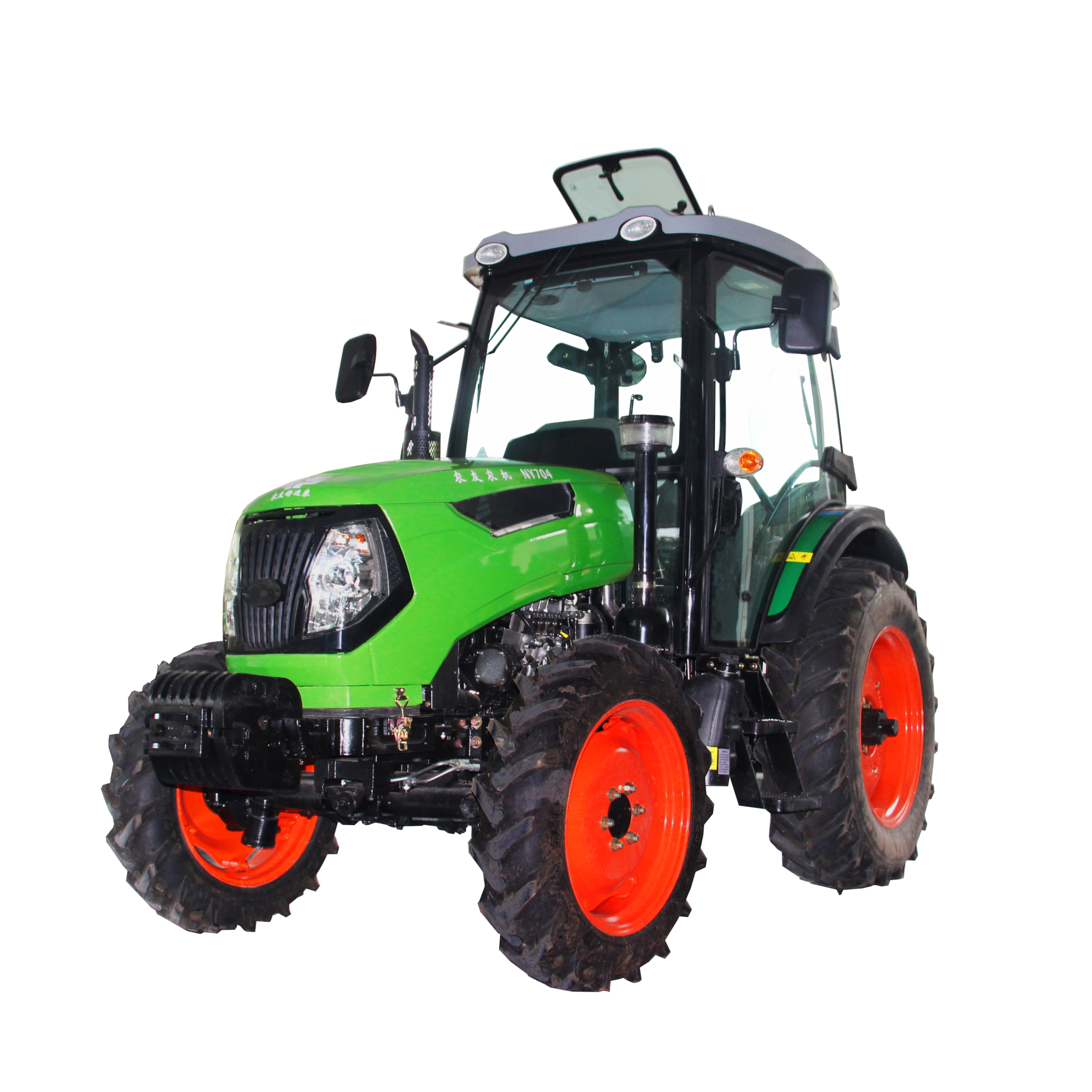
Regular tractor maintenance serves as the cornerstone of agricultural equipment longevity and operational efficiency. Farm operators who prioritize systematic maintenance protocols experience significantly reduced downtime, lower repair costs, and enhanced productivity across their operations. The relationship between consistent maintenance practices and long-term performance extends far beyond simple mechanical upkeep, encompassing financial sustainability, operational reliability, and equipment value retention. Understanding this critical connection empowers farmers and agricultural businesses to make informed decisions about their equipment investment strategies.
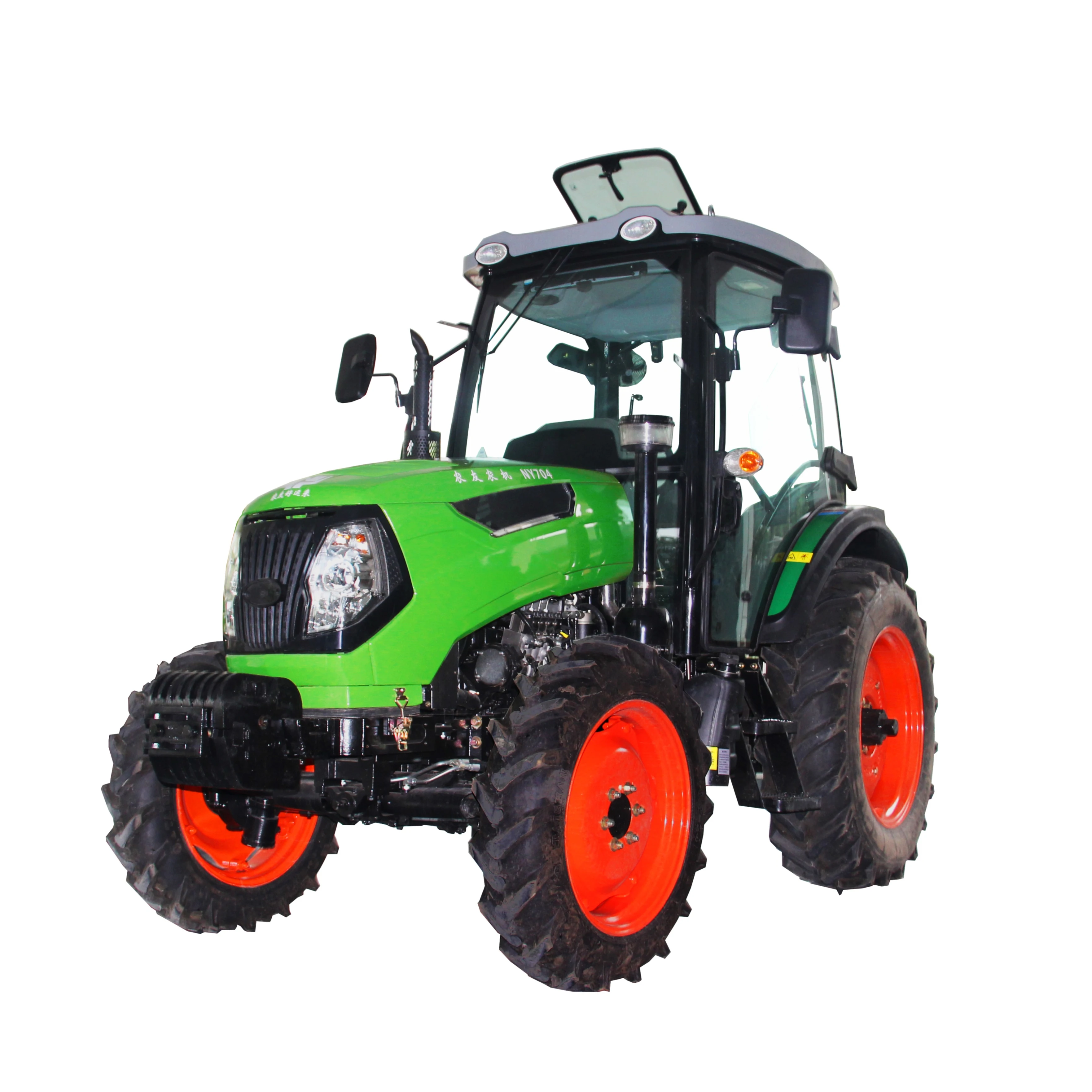
Engine Performance and Longevity Through Maintenance
Oil Change Intervals and Engine Health
Engine oil serves as the lifeblood of any tractor, and proper tractor maintenance requires adherence to manufacturer-specified change intervals. Clean oil ensures optimal lubrication between moving parts, reduces friction-related wear, and maintains proper engine operating temperatures. Neglecting oil changes leads to sludge buildup, increased friction, and accelerated component wear that can result in catastrophic engine failure.
Modern tractors equipped with advanced filtration systems benefit from extended oil change intervals, but operators must balance manufacturer recommendations with actual operating conditions. Dusty environments, heavy loads, and extreme temperatures may necessitate more frequent oil changes to maintain peak engine performance. Regular oil analysis can provide valuable insights into engine condition and help optimize maintenance schedules based on actual wear patterns rather than arbitrary time intervals.
Air Filtration System Management
Air filter maintenance represents one of the most critical aspects of tractor maintenance for ensuring long-term engine performance. Clean air filters prevent contaminants from entering the combustion chamber, protecting cylinder walls, pistons, and valves from abrasive damage. Clogged air filters restrict airflow, leading to incomplete combustion, reduced power output, and increased fuel consumption.
Implementing a proactive air filter replacement schedule based on operating hours and environmental conditions significantly extends engine life. Pre-cleaners and cyclonic separators can enhance filtration effectiveness in extremely dusty conditions, reducing the frequency of primary filter replacements while maintaining optimal engine protection. Regular inspection of air filter housing seals and connections prevents unfiltered air from bypassing the filtration system.
Hydraulic System Maintenance Impact
Fluid Quality and System Efficiency
Hydraulic fluid quality directly influences the performance and longevity of tractor hydraulic systems. Proper tractor maintenance includes regular hydraulic fluid changes, filter replacements, and system pressure checks to ensure optimal operation. Contaminated hydraulic fluid can damage pumps, cylinders, and valves, leading to expensive repairs and operational downtime.
Temperature management plays a crucial role in hydraulic system longevity, as excessive heat breaks down fluid properties and accelerates component wear. Regular cleaning of hydraulic oil coolers, inspection of cooling fins, and monitoring of system operating temperatures help maintain optimal fluid conditions. Implementing hydraulic fluid sampling programs allows operators to monitor contamination levels and schedule maintenance before critical failures occur.
Seal and Component Preservation
Hydraulic seals represent vulnerable components that require attention through systematic tractor maintenance practices. Regular inspection of hydraulic cylinders, hoses, and fittings helps identify potential leak points before they result in system failures. Preventive seal replacement based on operating hours and visual condition assessment prevents catastrophic fluid loss and maintains system pressure integrity.
Proper storage and handling of replacement hydraulic components ensures seal integrity during installation. Exposure to contaminants during maintenance procedures can compromise new seals, leading to premature failures and repeated repairs. Clean work environments and proper installation techniques maximize the effectiveness of hydraulic system maintenance efforts.
Transmission and Drivetrain Care
Gear Oil Management and Protection
Transmission longevity depends heavily on proper gear oil maintenance and protection from contamination. Regular tractor maintenance schedules include transmission oil changes at specified intervals to remove metal particles, moisture, and other contaminants that accumulate during normal operation. Quality gear oil maintains proper viscosity across operating temperature ranges, ensuring adequate lubrication of transmission components.
Transmission breather maintenance prevents moisture intrusion while allowing thermal expansion and contraction of internal components. Clogged breathers can create pressure differentials that force contaminants past seals, compromising transmission oil quality. Regular breather cleaning and replacement maintains proper ventilation while protecting internal components from environmental contamination.
Clutch and PTO Maintenance
Power take-off systems require specific attention within comprehensive tractor maintenance programs to ensure reliable operation and prevent costly repairs. Regular PTO shaft inspection identifies worn universal joints, damaged shields, and alignment issues before they result in drivetrain failures. Proper lubrication of PTO components according to manufacturer specifications prevents premature wear and maintains smooth power transfer.
Clutch adjustment and inspection form integral components of drivetrain maintenance, ensuring proper engagement and disengagement under varying load conditions. Worn clutch components can cause slippage, leading to reduced power transfer efficiency and accelerated wear of transmission components. Regular clutch inspection and adjustment maintain optimal drivetrain performance throughout the equipment lifecycle.
Cooling System Maintenance Excellence
Radiator and Heat Exchanger Care
Effective cooling system maintenance prevents overheating conditions that can cause severe engine damage and reduced performance. Regular cleaning of radiator cores, oil coolers, and intercoolers removes debris accumulation that restricts airflow and reduces heat transfer efficiency. Systematic tractor maintenance includes inspection of cooling fan operation, belt tension, and thermostat function to ensure optimal temperature regulation.
Coolant quality and concentration require regular monitoring to maintain proper freeze protection and corrosion inhibition. Contaminated coolant can cause scale buildup in engine passages, reducing heat transfer efficiency and potentially leading to localized overheating. Regular coolant testing and replacement according to manufacturer recommendations preserve cooling system effectiveness and prevent costly engine repairs.
Water Pump and Component Inspection
Water pump performance directly affects engine cooling capacity and requires regular inspection as part of comprehensive tractor maintenance programs. Signs of water pump wear include coolant leaks, unusual noises, and temperature fluctuations that indicate reduced circulation capacity. Early detection of water pump problems allows for planned maintenance rather than emergency repairs during critical operating periods.
Thermostat function verification ensures proper engine warm-up and operating temperature maintenance under varying load conditions. Faulty thermostats can cause overcooling, leading to increased fuel consumption and reduced engine efficiency, or overheating that risks severe engine damage. Regular thermostat testing and replacement maintain optimal engine operating conditions throughout the equipment lifecycle.
Electrical System Maintenance Strategies
Battery and Charging System Care
Battery maintenance forms a critical component of tractor maintenance that affects starting reliability and electrical system performance. Regular battery terminal cleaning, electrolyte level checks, and load testing identify potential problems before they result in starting failures. Proper battery maintenance extends battery life while ensuring reliable operation during demanding agricultural operations.
Charging system inspection includes alternator output testing, belt tension verification, and electrical connection assessment to maintain proper battery charging rates. Inadequate charging can lead to battery sulfation and premature failure, while overcharging can cause electrolyte loss and plate damage. Regular charging system maintenance ensures optimal battery performance and longevity throughout seasonal operating cycles.
Wiring and Connection Integrity
Electrical connections require regular inspection and maintenance to prevent corrosion-related failures and ensure reliable system operation. Environmental exposure to moisture, chemicals, and temperature extremes can compromise connection integrity over time. Systematic tractor maintenance includes cleaning and protecting electrical connections with appropriate sealants and corrosion inhibitors.
Wiring harness inspection identifies potential chafing, rodent damage, and insulation deterioration before they cause electrical failures. Proper routing and securing of wiring harnesses prevents damage from moving components and environmental exposure. Regular electrical system maintenance prevents costly downtime and ensures reliable operation of modern electronic control systems.
Preventive Maintenance Scheduling Benefits
Cost-Effective Maintenance Planning
Structured tractor maintenance scheduling reduces long-term operating costs by preventing major component failures and extending equipment life. Planned maintenance activities allow for bulk purchasing of maintenance supplies, reduced labor costs through efficient scheduling, and minimized downtime during critical operational periods. Cost analysis consistently demonstrates that preventive maintenance delivers significantly lower total ownership costs compared to reactive repair strategies.
Maintenance documentation and record keeping enable operators to track component performance, identify recurring issues, and optimize maintenance intervals based on actual operating conditions. Detailed maintenance records support warranty claims, enhance resale value, and provide valuable data for equipment replacement decisions. Digital maintenance tracking systems streamline record keeping while providing automated scheduling reminders and maintenance alerts.
Performance Optimization Through Maintenance
Regular tractor maintenance directly correlates with sustained performance levels throughout equipment operating life. Well-maintained tractors maintain horsepower ratings, fuel efficiency, and hydraulic performance specifications that decline rapidly without proper care. Performance degradation not only reduces operational efficiency but also increases fuel consumption and operational costs over time.
Precision maintenance practices enable operators to optimize equipment performance for specific applications and operating conditions. Tailored maintenance schedules based on crop cycles, soil conditions, and implement requirements maximize equipment effectiveness while preventing unnecessary maintenance costs. Strategic maintenance timing ensures peak performance during critical operational windows while minimizing disruption to agricultural schedules.
FAQ
How often should I change my tractor's engine oil
Engine oil change intervals depend on operating conditions, but most manufacturers recommend changes every 250-500 operating hours. Severe conditions such as dusty environments, heavy loads, or extreme temperatures may require more frequent changes. Regular oil analysis can help determine optimal change intervals based on actual oil condition rather than arbitrary schedules.
What are the signs that my tractor needs immediate maintenance attention
Warning signs requiring immediate attention include unusual noises, fluid leaks, overheating, reduced power output, excessive exhaust smoke, or dashboard warning lights. These symptoms often indicate developing problems that can cause major damage if ignored. Prompt tractor maintenance response to warning signs prevents minor issues from escalating into costly repairs.
Can I perform tractor maintenance myself or should I use professional services
Basic tractor maintenance tasks such as oil changes, filter replacements, and visual inspections can be performed by operators with proper tools and knowledge. Complex repairs involving hydraulics, electronics, or engine rebuilding typically require professional expertise and specialized equipment. Operator training and manufacturer resources help determine appropriate maintenance tasks for self-service versus professional service requirements.
How does proper maintenance affect tractor resale value
Well-maintained tractors retain significantly higher resale values compared to neglected equipment. Documented maintenance records, original component condition, and operational reliability directly influence buyer confidence and pricing. Consistent tractor maintenance throughout ownership can preserve 20-30% more resale value compared to poorly maintained equipment of similar age and hours.