 EN
EN

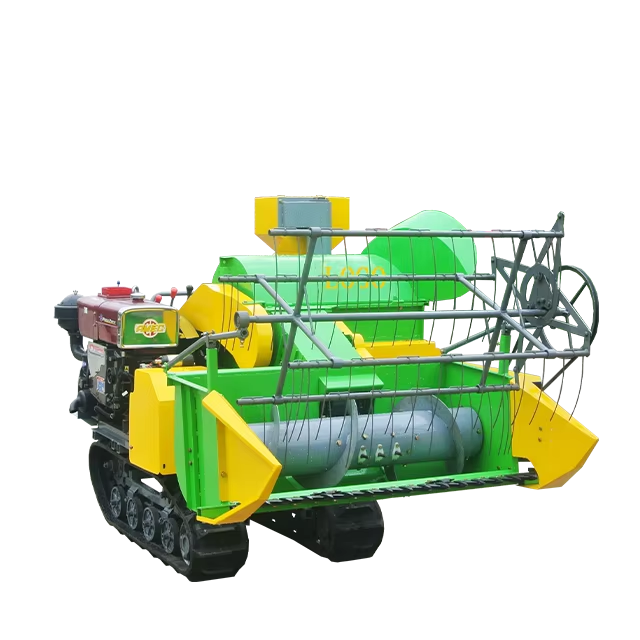
Modern agricultural operations depend heavily on efficient harvesting equipment to maximize crop yields and minimize operational costs. When considering the purchase of a wheat harvester, farmers must evaluate numerous technical specifications, performance metrics, and compatibility factors to ensure their investment delivers optimal returns. The selection process involves careful analysis of field conditions, crop characteristics, operational requirements, and long-term maintenance considerations that directly impact farming profitability.
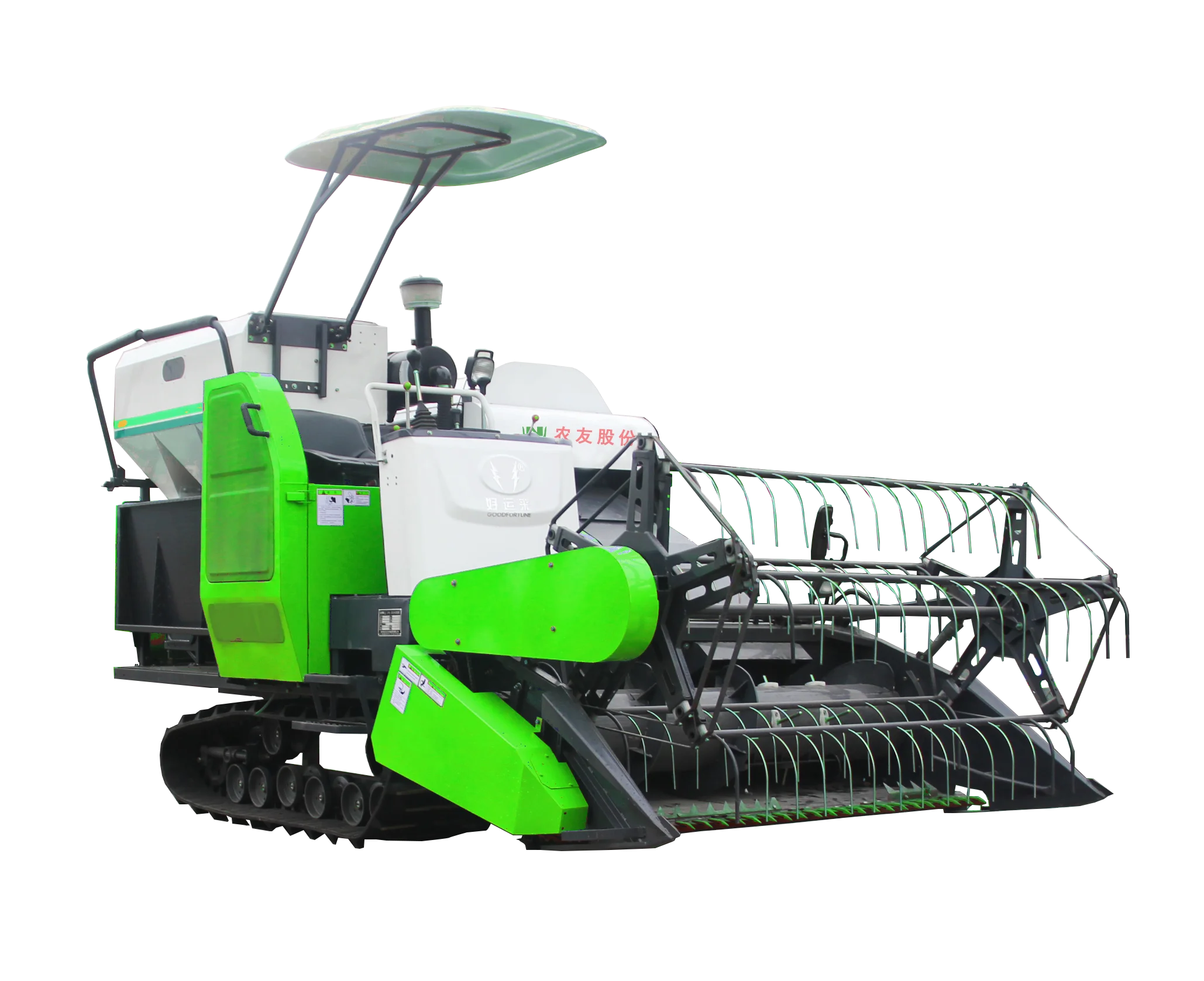
Engine Power and Performance Specifications
Horsepower Requirements for Different Field Sizes
The engine power of a wheat harvester determines its ability to maintain consistent performance across varying field conditions and crop densities. Farmers operating on smaller acreages typically require harvesters with 150-200 horsepower, while larger commercial operations benefit from machines delivering 300-400 horsepower or more. The relationship between engine power and cutting width directly affects harvesting efficiency, as insufficient power can lead to reduced ground speed and incomplete grain separation.
Fuel consumption rates vary significantly based on engine specifications and operational practices. Modern wheat harvester models incorporate advanced fuel management systems that optimize consumption without compromising performance. Farmers should calculate expected fuel costs per acre based on local diesel prices and manufacturer specifications to accurately assess operational expenses over the machine's lifespan.
Transmission and Drive System Evaluation
Hydrostatic transmissions offer superior control and responsiveness compared to traditional gear-driven systems, particularly when navigating challenging terrain or adjusting to varying crop conditions. The transmission type directly influences operator comfort and machine longevity, as smooth power delivery reduces stress on mechanical components. Variable speed control allows operators to optimize harvesting speed based on crop density, moisture content, and field conditions.
Drive system maintenance requirements differ substantially between transmission types, affecting long-term ownership costs. Farmers should evaluate service intervals, component accessibility, and replacement part availability when comparing different wheat harvester models. Advanced drive systems may offer improved efficiency but could require specialized technician expertise for repairs and maintenance.
Cutting and Threshing System Analysis
Header Width and Cutting Mechanism Design
Header width selection depends on farm size, field layout, and desired harvesting capacity, with options ranging from 12 feet for smaller operations to 40 feet or more for large-scale farming. Wider headers increase harvesting efficiency but may create challenges when navigating narrow field entrances or irregular field shapes. The cutting mechanism design affects crop flow and stubble quality, influencing subsequent field operations and soil health.
Flexible cutterbar technology adapts to ground contours, reducing grain losses and maintaining consistent cutting height across uneven terrain. Farmers operating in areas with significant elevation changes or irregular topography should prioritize headers with advanced ground-following capabilities. The relationship between cutting speed and grain loss percentage requires careful calibration based on crop conditions and operator experience.
Threshing Drum Configuration and Adjustment
Threshing drum diameter and configuration significantly impact grain separation efficiency and crop damage rates. Larger diameter drums typically provide gentler threshing action, reducing grain breakage while maintaining effective separation. The spacing between threshing elements and concave surfaces requires precise adjustment based on wheat variety, moisture content, and harvesting conditions to optimize performance.
Variable threshing speed controls allow operators to adapt drum rotation based on real-time crop conditions, maximizing grain recovery while minimizing losses. Modern wheat harvester models incorporate electronic monitoring systems that provide feedback on threshing performance and suggest optimal settings. Farmers should understand these adjustment parameters to maintain peak efficiency throughout the harvesting season.
Grain Handling and Storage Systems
Tank Capacity and Unloading Efficiency
Grain tank capacity directly influences operational efficiency by determining unloading frequency and logistics coordination requirements. Larger tanks reduce interruptions during harvesting but increase machine weight and may require stronger transport vehicles. The unloading auger design affects discharge speed and grain quality, with high-capacity systems enabling faster field operations and reduced harvesting time.
Tank construction materials and design features impact grain quality preservation during storage and transport. Proper ventilation systems prevent moisture accumulation and reduce the risk of grain spoilage, particularly during extended harvesting periods. Farmers should evaluate unloading height capabilities to ensure compatibility with their grain storage and transportation equipment.
Cleaning System Performance
The cleaning system separates grain from chaff, straw, and foreign materials through a combination of sieves, fans, and airflow management. Effective cleaning reduces post-harvest processing requirements and improves grain quality for storage and marketing. Multi-stage cleaning systems provide superior results but require proper adjustment and maintenance to function optimally.
Fan speed and sieve opening adjustments must accommodate varying wheat varieties and harvesting conditions to maintain cleaning efficiency. Modern wheat harvester models feature automated cleaning system controls that adapt to changing crop conditions throughout the harvesting process. Farmers should understand these systems to minimize grain losses and maintain consistent quality standards.
Technology Integration and Monitoring Systems
GPS Navigation and Field Mapping
Global Positioning System technology enables precise field navigation, automated steering, and comprehensive harvest data collection. GPS-guided wheat harvester systems reduce operator fatigue while maintaining optimal harvesting patterns and minimizing overlap. Field mapping capabilities provide valuable insights into yield variations, helping farmers make informed decisions for future crop management.
Integration with farm management software allows seamless data transfer and analysis, supporting precision agriculture practices. Yield monitoring systems collect real-time data on grain production, moisture content, and harvesting efficiency across different field zones. This information enables farmers to identify productivity patterns and optimize input applications for subsequent growing seasons.
Performance Monitoring and Diagnostic Systems
Advanced diagnostic systems continuously monitor wheat harvester performance parameters, alerting operators to potential issues before they cause significant problems. Engine temperature, hydraulic pressure, and component wear indicators provide early warning of maintenance requirements. These systems reduce unplanned downtime and extend machine lifespan through proactive maintenance scheduling.
Remote monitoring capabilities allow dealers and service technicians to diagnose problems and provide support without physical inspection. Telemetry systems transmit operational data to support teams, enabling rapid troubleshooting and parts ordering. Farmers benefit from reduced service calls and faster problem resolution during critical harvesting periods.
Maintenance Requirements and Service Accessibility
Routine Maintenance Procedures
Daily maintenance routines for wheat harvester equipment include lubrication point servicing, belt tension checks, and cleaning system inspection. Proper maintenance scheduling prevents costly breakdowns and ensures consistent performance throughout harvesting seasons. Component accessibility affects maintenance time requirements, with well-designed machines enabling faster service completion.
Seasonal maintenance requirements involve comprehensive system inspections, component replacements, and storage preparation procedures. Farmers should establish maintenance budgets based on manufacturer recommendations and local service costs to accurately project ownership expenses. Documentation of maintenance activities supports warranty compliance and resale value preservation.
Parts Availability and Service Network
Local dealer networks provide crucial support for wheat harvester maintenance and repairs, particularly during time-sensitive harvesting periods. Parts availability and delivery speed directly impact machine downtime and operational efficiency. Farmers should evaluate dealer proximity, service capacity, and inventory levels when selecting harvester brands and models.
Emergency service availability becomes critical during peak harvesting seasons when equipment failures can result in significant crop losses. Established manufacturers typically maintain extensive service networks and parts distribution systems that ensure rapid response times. Long-term parts availability guarantees support machine longevity and protect investment value over extended ownership periods.
Economic Considerations and Return on Investment
Purchase Price and Financing Options
Wheat harvester purchase prices vary significantly based on specifications, technology features, and manufacturer reputation. New machines typically range from moderate investments for basic models to substantial expenditures for high-capacity, technology-equipped units. Financing options include traditional loans, lease agreements, and seasonal payment plans that align with farming cash flow patterns.
Total cost of ownership calculations should include purchase price, financing costs, insurance premiums, and expected maintenance expenses over the machine's useful life. Depreciation rates affect resale values and tax implications, influencing the financial analysis of wheat harvester investments. Farmers should compare financing alternatives and evaluate tax advantages associated with equipment purchases.
Operational Cost Analysis
Fuel consumption represents a significant operational expense for wheat harvester operations, varying based on machine efficiency and field conditions. Labor costs include operator wages and benefits, with highly automated machines potentially reducing staffing requirements. Insurance premiums reflect machine values and operational risks, requiring annual budget allocations for comprehensive coverage.
Custom harvesting alternatives provide cost comparison benchmarks for equipment ownership decisions. Farmers should analyze per-acre custom rates against ownership costs to determine the break-even acreage required for profitable equipment ownership. Market timing flexibility and operational control benefits may justify equipment ownership even when custom services appear cost-competitive.
Field Compatibility and Environmental Factors
Terrain Adaptability and Ground Conditions
Field terrain characteristics significantly influence wheat harvester selection and performance capabilities. Steep slopes require machines with enhanced stability systems and appropriate ground clearance to maintain safe operations. Soil conditions affect machine mobility and compaction potential, with track-equipped units distributing weight more effectively than wheeled alternatives in soft conditions.
Ground pressure considerations impact soil health and future crop production potential, particularly in moisture-sensitive soils. Modern wheat harvester designs incorporate features that minimize soil compaction while maintaining harvesting efficiency. Farmers should evaluate their specific field conditions and select equipment that preserves soil structure and supports sustainable farming practices.
Weather Resilience and Seasonal Adaptability
Weather conditions during harvest seasons directly affect wheat harvester performance and operational requirements. Machines operating in high-humidity environments require enhanced cleaning systems and moisture management capabilities. Dust-prone areas demand superior filtration systems and component protection to prevent premature wear and maintain reliability.
Temperature extremes influence hydraulic system performance, engine cooling requirements, and operator comfort features. Cold weather operations may require engine block heaters and enhanced hydraulic fluid specifications, while hot climate operations benefit from improved cooling systems and cab air conditioning. Farmers should select wheat harvester models equipped for their regional climate conditions.
FAQ
What is the ideal cutting width for a wheat harvester on a 500-acre farm?
For a 500-acre wheat operation, a cutting width between 20-25 feet typically provides optimal efficiency and cost-effectiveness. This size allows completion of harvesting within reasonable timeframes while maintaining maneuverability in average-sized fields. Larger headers may be justified if fields are predominantly large and regular in shape, while smaller operations might benefit from narrower cutting widths that offer greater versatility.
How often should wheat harvester cleaning systems be adjusted during harvest?
Cleaning system adjustments should be made whenever crop conditions change significantly, including moisture content variations, wheat variety transitions, or field condition changes. Most operators check and adjust cleaning settings at the beginning of each day and monitor performance throughout harvesting. Modern wheat harvester models with automated systems may require less frequent manual adjustments but still benefit from regular performance monitoring and optimization.
What factors determine the annual maintenance cost for a wheat harvester?
Annual maintenance costs depend on machine age, annual operating hours, operating conditions, and maintenance quality. Typical maintenance expenses range from 3-6% of the machine's original purchase price annually, including routine servicing, wear part replacements, and periodic major repairs. Harsh operating conditions, inadequate maintenance practices, and high annual usage can increase these costs significantly, while proper care and moderate usage may reduce maintenance requirements.
Should farmers prioritize fuel efficiency or harvesting speed when selecting a wheat harvester?
The optimal balance between fuel efficiency and harvesting speed depends on farm size, labor costs, and harvest window constraints. Larger operations typically benefit from prioritizing harvesting capacity to complete operations within weather windows, while smaller farms may find fuel efficiency more important for controlling operational costs. Modern wheat harvester designs increasingly offer both improved efficiency and enhanced capacity, reducing the need to compromise between these performance characteristics.
Table of Contents
- Engine Power and Performance Specifications
- Cutting and Threshing System Analysis
- Grain Handling and Storage Systems
- Technology Integration and Monitoring Systems
- Maintenance Requirements and Service Accessibility
- Economic Considerations and Return on Investment
- Field Compatibility and Environmental Factors
-
FAQ
- What is the ideal cutting width for a wheat harvester on a 500-acre farm?
- How often should wheat harvester cleaning systems be adjusted during harvest?
- What factors determine the annual maintenance cost for a wheat harvester?
- Should farmers prioritize fuel efficiency or harvesting speed when selecting a wheat harvester?