 EN
EN

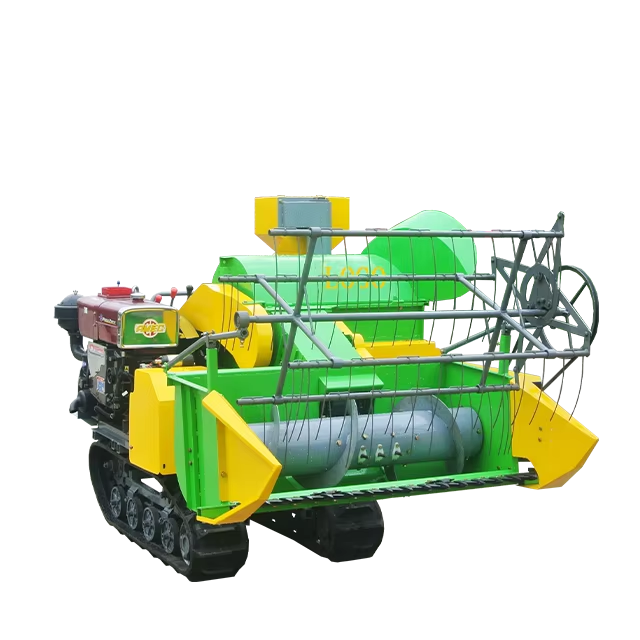
Modern agriculture faces increasing pressure to maximize efficiency while minimizing operational costs. A wheat harvester represents one of the most transformative investments for grain producers, delivering substantial reductions in both labor expenses and field losses. These sophisticated machines have revolutionized wheat production by automating the complex process of cutting, threshing, and cleaning grain in a single operation. Understanding how a wheat harvester achieves these cost savings requires examining its mechanical capabilities, operational advantages, and long-term economic impact on farming operations.
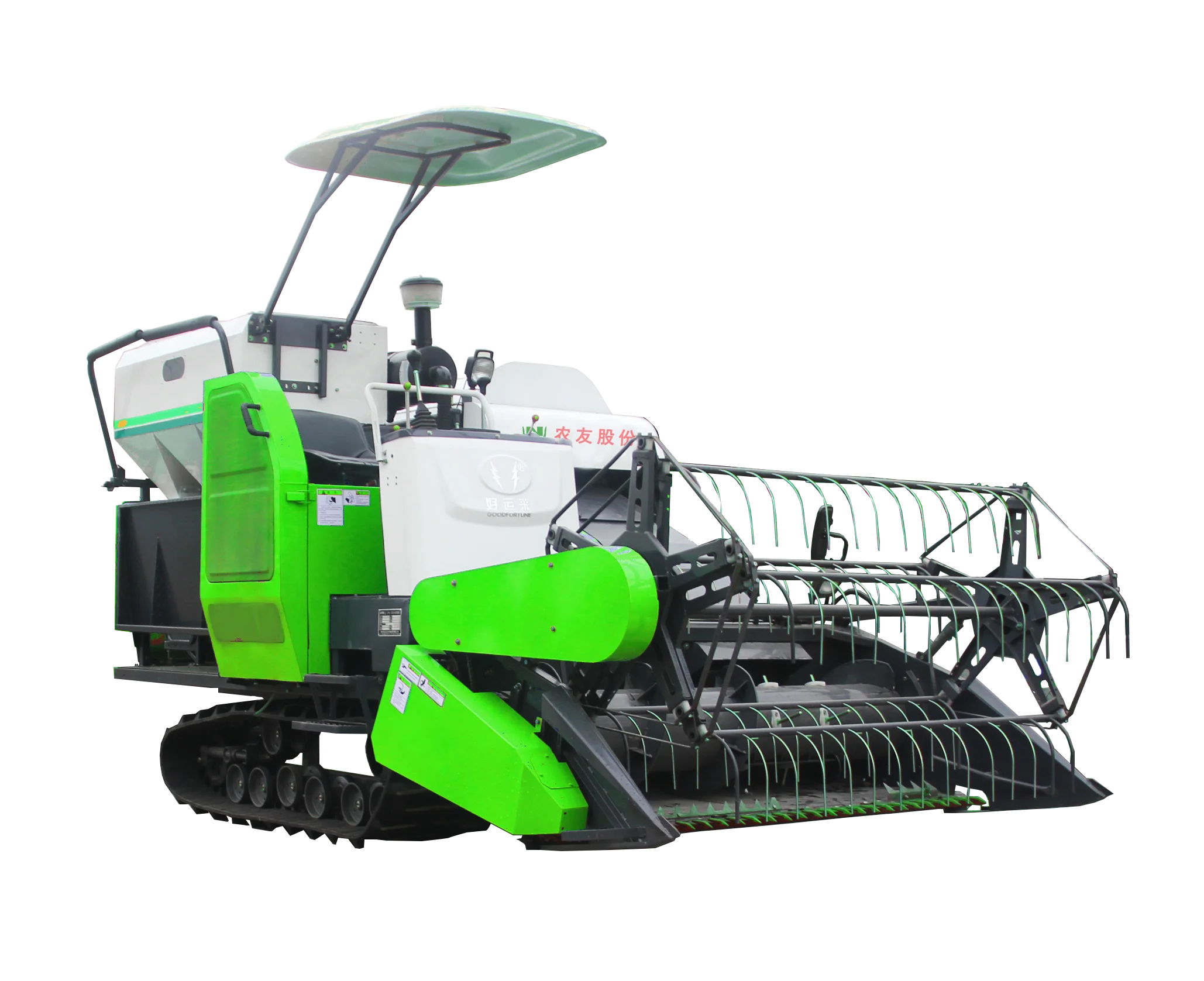
Labor Cost Reduction Through Mechanization
Workforce Requirements Comparison
Traditional wheat harvesting methods require substantial manual labor, typically involving teams of workers for cutting, bundling, transporting, and threshing operations. A modern wheat harvester eliminates the need for multiple laborers by consolidating these tasks into a single automated process. Where conventional harvesting might require 8-12 workers per field, a wheat harvester operates efficiently with just one or two operators, representing an immediate 80-90% reduction in labor requirements.
The economic impact extends beyond simple headcount reduction. Manual harvesting involves seasonal labor costs that fluctuate with market conditions and availability. Labor shortages during peak harvest seasons often drive wages significantly higher, creating unpredictable cost structures. A wheat harvester provides consistent operational costs regardless of labor market conditions, enabling more accurate budgeting and financial planning for agricultural operations.
Operational Speed and Efficiency
Speed represents another critical factor in labor cost reduction when using a wheat harvester. Modern combine harvesters can process 20-30 acres per day under optimal conditions, compared to manual teams that might complete 2-3 acres daily. This dramatic increase in processing speed reduces the overall time investment required for harvest completion, minimizing labor costs across the entire operation.
The efficiency gains compound when considering weather windows and harvest timing. A wheat harvester allows producers to complete harvesting operations within optimal timeframes, reducing the risk of weather-related delays that extend labor commitments. Quick completion also enables farmers to prepare fields for subsequent planting seasons more rapidly, maximizing land utilization and potential revenue generation.
Field Loss Minimization Technologies
Advanced Cutting and Collection Systems
Field losses during wheat harvest represent significant economic impact that directly affects profitability. A well-calibrated wheat harvester incorporates sophisticated cutting mechanisms that minimize grain loss during the harvesting process. These systems include adjustable cutting heights, flexible cutter bars, and efficient grain collection platforms that capture wheat heads before they can fall to the ground.
Modern wheat harvester designs feature advanced header technology that adapts to varying crop conditions and field terrain. Floating cutterbar systems maintain optimal cutting height regardless of ground contours, ensuring consistent grain capture across uneven fields. These technological improvements can reduce field losses from 5-8% typical in manual operations to less than 2% with properly operated mechanical systems.
Threshing and Cleaning Efficiency
The threshing system within a wheat harvester plays a crucial role in minimizing grain losses during processing. Advanced rotor designs and adjustable concave systems ensure thorough grain separation while preventing damage that could result in lost product. Variable speed controls allow operators to optimize threshing intensity based on crop moisture content and grain characteristics.
Cleaning systems further enhance loss reduction by efficiently separating grain from chaff and foreign material. Multi-stage cleaning processes using adjustable sieves and air flow systems maximize grain recovery while maintaining quality standards. These systems prevent valuable grain from being expelled with waste material, ensuring maximum yield capture from each harvested acre.
Economic Impact Analysis
Cost-Benefit Calculations
Quantifying the economic benefits of wheat harvester adoption requires comprehensive analysis of both direct and indirect cost savings. Direct labor cost reductions typically range from $40-60 per acre when comparing mechanized versus manual harvesting methods. These savings accumulate rapidly across larger farming operations, with 500-acre operations potentially saving $20,000-30,000 annually in labor costs alone.
Field loss reduction represents additional economic value that enhances the wheat harvester investment proposition. Reducing losses from 6% to 2% on a field yielding 40 bushels per acre saves 1.6 bushels per acre. At current wheat prices, this preservation represents $8-12 per acre in additional revenue, further justifying mechanization investments across commercial farming operations.
Long-term Financial Benefits
Beyond immediate cost savings, wheat harvester ownership provides long-term financial advantages through improved operational flexibility and reduced dependency on external resources. Farmers can respond quickly to optimal harvest conditions without coordinating large labor teams or competing for limited seasonal workers. This responsiveness often enables harvesting at peak grain quality, commanding premium prices in commodity markets.
Equipment longevity and residual value contribute to long-term economic benefits. Well-maintained wheat harvester units often provide 15-20 years of reliable service, spreading initial investment costs across multiple harvest seasons. Many units retain substantial resale value, providing recovery options for farmers transitioning operations or upgrading to newer technology platforms.
Operational Considerations and Best Practices
Maintenance and Performance Optimization
Maximizing the cost reduction benefits of a wheat harvester requires diligent maintenance and proper operation techniques. Regular servicing of cutting systems, threshing components, and cleaning mechanisms ensures optimal performance throughout harvest seasons. Properly maintained equipment operates more efficiently, reducing fuel consumption while maintaining low loss rates that preserve profitability.
Operator training represents another critical factor in achieving maximum cost reduction benefits. Skilled operators understand how to adjust wheat harvester settings for varying crop conditions, field terrain, and weather situations. This expertise enables optimal performance that minimizes both operational costs and field losses while maximizing harvesting speed and efficiency.
Technology Integration and Monitoring
Modern wheat harvester units incorporate sophisticated monitoring systems that provide real-time feedback on operational performance. Yield monitoring technology tracks grain flow rates, moisture content, and loss levels throughout harvesting operations. This data enables operators to make immediate adjustments that optimize performance and identify areas where additional cost savings opportunities exist.
GPS guidance systems further enhance wheat harvester efficiency by ensuring precise field coverage without overlap or missed areas. These technologies reduce fuel consumption, minimize operator fatigue, and ensure complete field coverage that maximizes yield capture. Integration with farm management software systems provides comprehensive operational data that supports ongoing efficiency improvements and cost optimization efforts.
Future Developments and Innovations
Automation and Smart Technology
Emerging technologies continue advancing wheat harvester capabilities, promising even greater cost reduction potential for future agricultural operations. Autonomous harvesting systems under development could eliminate operator costs entirely while maintaining precise operational control. These systems utilize advanced sensors, artificial intelligence, and machine learning algorithms to optimize harvesting parameters automatically based on real-time field conditions.
Smart technology integration enables predictive maintenance capabilities that reduce unexpected breakdowns and extend equipment life. Sensors monitor critical component performance, alerting operators to potential issues before they result in costly failures. This proactive approach minimizes downtime during critical harvest periods while reducing maintenance costs through optimized service scheduling.
Environmental and Sustainability Benefits
Advanced wheat harvester designs increasingly incorporate environmental considerations that provide additional cost reduction benefits. Improved fuel efficiency reduces operational costs while minimizing environmental impact. Enhanced residue management systems support sustainable farming practices that maintain soil health and reduce long-term production costs.
Precision agriculture integration allows wheat harvester operations to support variable rate applications and site-specific management practices. This capability enables farmers to optimize inputs and maximize yields across diverse field conditions, further enhancing the economic benefits of mechanized harvesting investments.
FAQ
What is the typical payback period for a wheat harvester investment?
Most wheat harvester investments achieve payback within 5-8 years through combined labor cost savings and reduced field losses. Larger operations with 300+ acres typically see faster payback periods due to economies of scale, while smaller farms may require 8-10 years. The exact timeframe depends on local labor costs, wheat prices, field conditions, and annual usage hours.
How much can field losses be reduced with proper wheat harvester operation?
Properly operated wheat harvester equipment typically reduces field losses to 1-3% compared to 5-8% common with manual harvesting methods. Advanced models with modern header technology and optimized threshing systems can achieve losses below 2% under ideal conditions. Regular calibration and operator training are essential for maintaining these low loss rates throughout harvest seasons.
What factors most significantly impact wheat harvester cost reduction potential?
Farm size represents the most significant factor, as larger acreage spreads fixed costs across more production units. Local labor costs also heavily influence savings potential, with regions experiencing labor shortages or high seasonal wages showing greater benefits. Field conditions, crop yields, and wheat prices further affect the economic impact of mechanization investments.
Can smaller farms justify wheat harvester investments economically?
Smaller farms can justify wheat harvester investments through custom harvesting services, cooperative ownership arrangements, or used equipment purchases. Farms with 100-200 acres may find economic justification when combining wheat harvester use with other grain crops or offering custom services to neighboring operations. Sharing costs across multiple users significantly improves investment economics for smaller farming operations.