 EN
EN

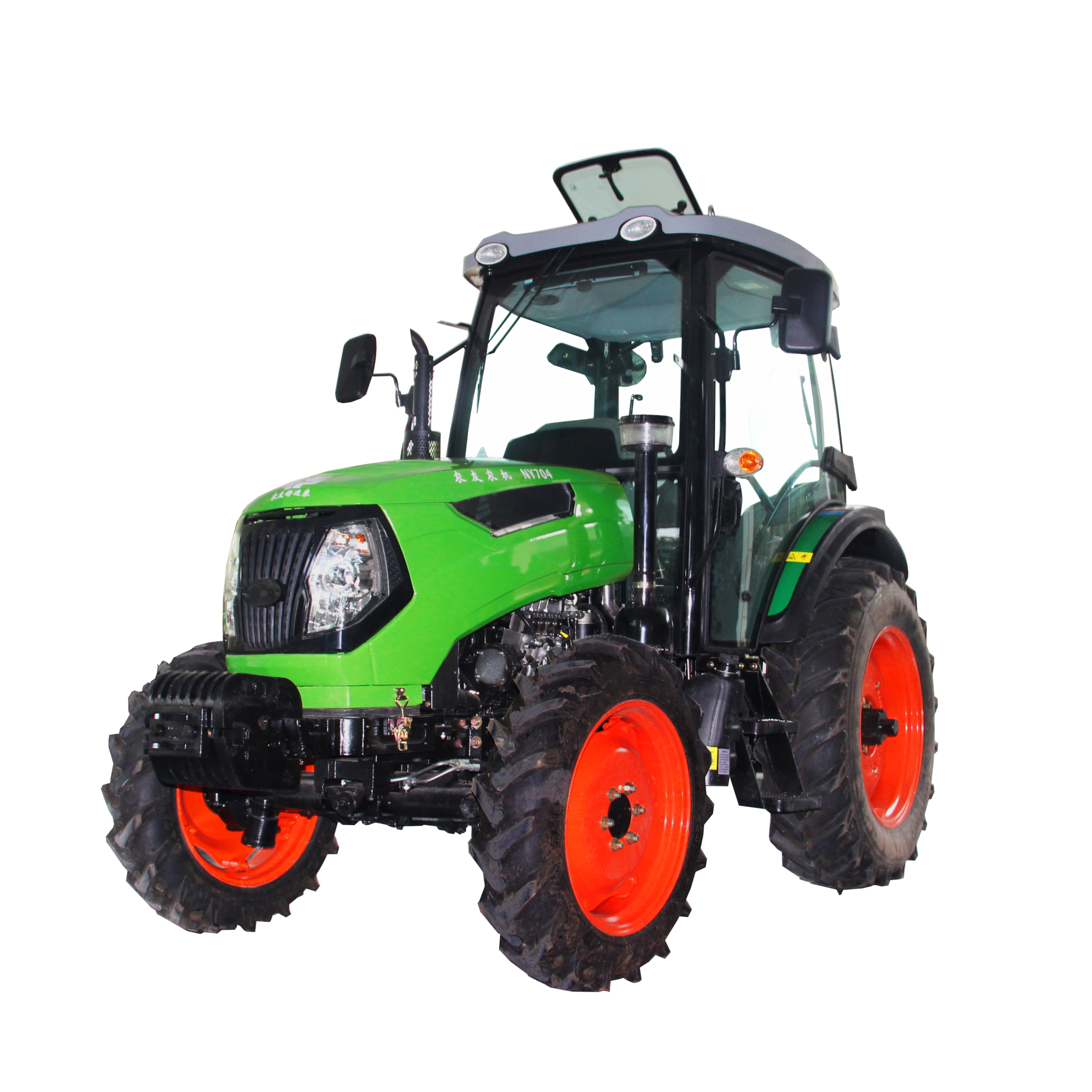
Selecting the right wheel tractor for your farming operation is one of the most critical investment decisions you'll make as an agricultural professional. Modern farming demands efficient, reliable equipment that can handle diverse tasks while maximizing productivity and minimizing operational costs. A wheel tractor serves as the backbone of most farming operations, powering everything from planting and cultivation to harvesting and material handling. Understanding the key factors that influence tractor selection will help you make an informed choice that supports your farm's long-term success and profitability.
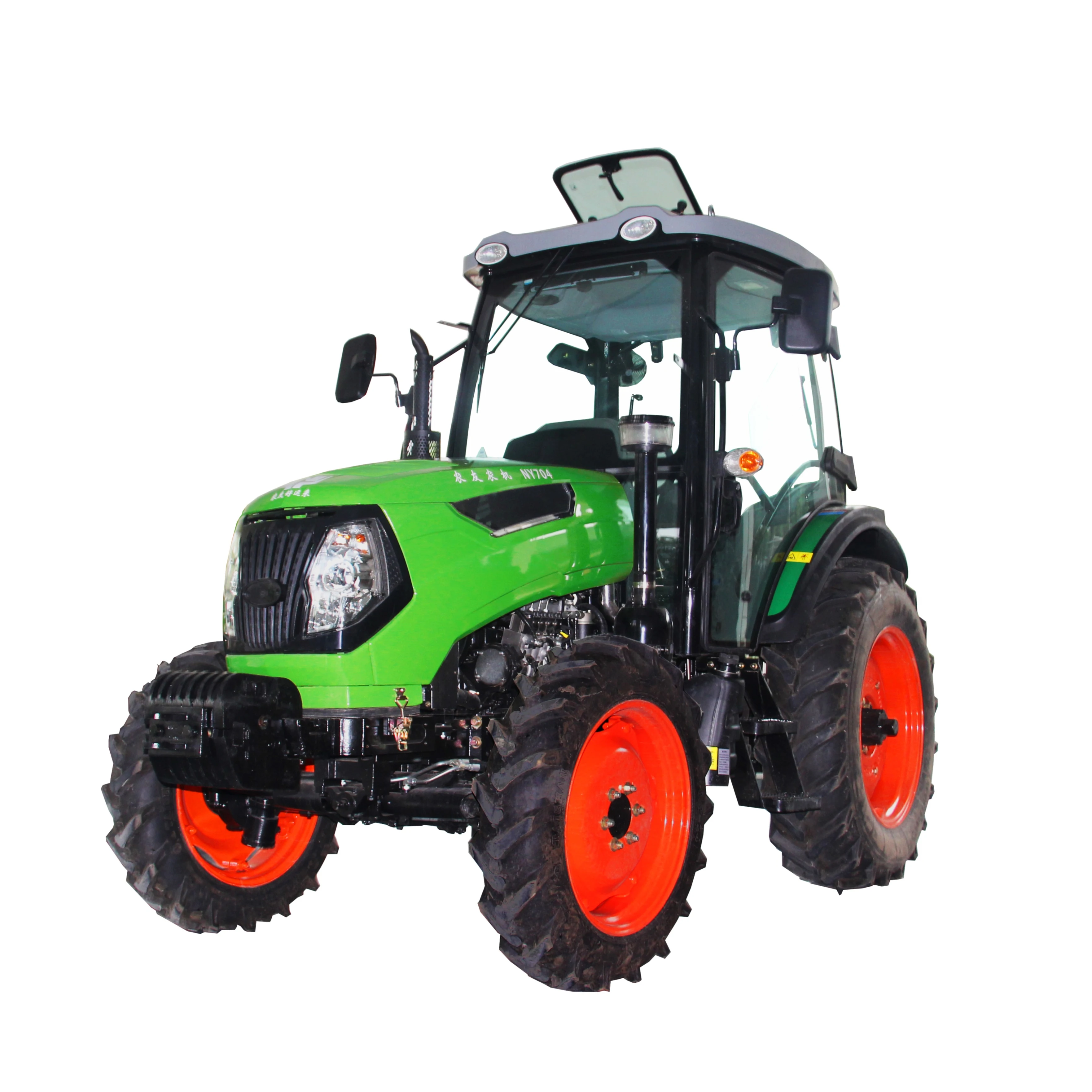
Power and Engine Performance Considerations
Horsepower Requirements for Different Farm Tasks
The horsepower rating of your wheel tractor directly impacts its ability to perform various agricultural tasks efficiently. Small farms typically require tractors with 25-50 horsepower for basic operations like mowing, light cultivation, and operating smaller implements. Medium-sized operations often need 50-100 horsepower tractors to handle plowing, disking, and medium-duty fieldwork. Large commercial farms may require tractors exceeding 100 horsepower for heavy-duty operations such as deep tillage, large-scale planting, and operating high-capacity harvesting equipment.
When evaluating horsepower needs, consider both current requirements and future expansion plans. A wheel tractor with insufficient power will struggle with demanding tasks, leading to increased fuel consumption, excessive wear, and reduced productivity. Conversely, oversized tractors result in unnecessary fuel costs and higher purchase prices. Calculate the power requirements for your primary implements and add a 20-30% buffer to ensure adequate performance under varying field conditions.
Engine Technology and Fuel Efficiency
Modern wheel tractor engines incorporate advanced technologies designed to maximize fuel efficiency while meeting stringent emission standards. Tier 4 Final engines feature sophisticated exhaust aftertreatment systems, including diesel particulate filters and selective catalytic reduction technology. These systems significantly reduce harmful emissions but may require additional maintenance considerations and periodic regeneration cycles that affect daily operations.
Evaluate engine manufacturers' reputations for reliability, parts availability, and service network coverage in your region. Some manufacturers offer extended warranties and comprehensive service packages that can reduce long-term ownership costs. Consider fuel consumption rates across different operating conditions, as fuel efficiency improvements can result in substantial savings over the tractor's operational lifetime. Advanced engine management systems also provide valuable data for optimizing performance and scheduling preventive maintenance.
Transmission Systems and Drive Configuration
Manual vs Automatic Transmission Options
Traditional manual transmissions offer simplicity, durability, and lower initial costs, making them popular choices for budget-conscious farmers. These systems typically provide multiple gear ranges with synchronized shifting, allowing operators to select appropriate speeds for different tasks. Manual transmissions generally require less sophisticated hydraulic systems and electronic controls, potentially reducing long-term maintenance complexity and costs.
Powershift and continuously variable transmissions (CVT) provide enhanced operator comfort and improved productivity through seamless speed adjustments without interrupting power delivery. CVT systems allow infinite speed variations within their operating range, enabling precise speed matching for optimal implement performance. While these advanced transmission systems require higher initial investments, they often deliver improved fuel efficiency and reduced operator fatigue during long working days.
Four-Wheel Drive vs Two-Wheel Drive Applications
Two-wheel drive tractors offer lower purchase prices, reduced mechanical complexity, and adequate performance for many farming applications. These tractors work effectively in dry conditions and on firm terrain where maximum traction isn't required. However, their performance limitations become apparent in muddy conditions, steep slopes, or when operating heavy implements that demand maximum drawbar pull.
Four-wheel drive systems significantly improve traction and stability, particularly valuable for farms with challenging terrain or wet soil conditions. The wheel tractor equipped with four-wheel drive can operate effectively in conditions where two-wheel drive units would struggle or become stuck. Consider your typical field conditions, soil types, and seasonal weather patterns when evaluating drive configuration needs.
Hydraulic System Capabilities and Implement Compatibility
Hydraulic Flow Rates and Pressure Specifications
The hydraulic system serves as the power source for most modern agricultural implements, making its specifications crucial for overall system performance. Hydraulic flow rates, measured in gallons per minute, determine how quickly implements can operate and respond to control inputs. High-flow hydraulic systems enable faster cycle times for loaders, more responsive steering, and improved performance of hydraulically-driven implements such as mowers and tillage equipment.
System pressure ratings affect the maximum force available for hydraulic cylinders and motors. Higher pressure systems can generate more force for demanding applications but may require more robust components and increased maintenance attention. Evaluate the hydraulic requirements of your current and planned implements to ensure adequate flow and pressure capacity. Many modern wheel tractor models offer optional high-flow hydraulic packages for operators requiring enhanced hydraulic performance.
Three-Point Hitch and PTO Considerations
The three-point hitch system enables attachment and operation of various rear-mounted implements, making it essential for most farming operations. Category I hitches suit lighter implements and smaller tractors, while Category II and III hitches handle progressively heavier implements. Verify that your chosen wheel tractor's hitch category matches your implement requirements and provides adequate lifting capacity for your heaviest attachments.
Power take-off (PTO) systems transfer engine power to implements requiring rotational drive, such as mowers, balers, and spreaders. Standard PTO speeds include 540 and 1000 RPM, with some tractors offering both options. Ground-speed PTO systems maintain consistent implement speeds regardless of tractor speed, valuable for applications requiring precise material distribution rates. Ensure your selected tractor provides appropriate PTO options for your implement inventory.
Comfort Features and Operator Ergonomics
Cab Design and Climate Control Systems
Modern wheel tractor cabs incorporate numerous comfort and safety features designed to reduce operator fatigue and improve productivity during long working sessions. Climate control systems maintain comfortable temperatures year-round, while noise reduction measures create quieter operating environments. Ergonomic seat designs with multiple adjustments support operators of different sizes and preferences, reducing physical strain during extended periods of operation.
Visibility enhancements include large windows, strategically placed mirrors, and optional LED lighting systems for improved safety during early morning or evening operations. Some manufacturers offer premium cab packages with features such as air-ride suspension, premium sound systems, and advanced filtration systems for improved air quality in dusty conditions. While these features increase initial costs, they contribute to operator satisfaction and may improve retention of qualified operators.
Control Layout and Technology Integration
Intuitive control layouts reduce learning curves and minimize operator errors, particularly important when multiple operators use the same equipment. Standardized control patterns across manufacturer product lines help operators transition between different tractor models more easily. Color-coded controls, clear labeling, and logical grouping of related functions contribute to efficient operation and reduced training requirements.
Technology integration includes GPS guidance systems, precision agriculture capabilities, and data management platforms that support modern farming practices. These systems can significantly improve operational efficiency and field productivity while providing valuable data for record-keeping and analysis. Consider your current technology adoption level and future precision agriculture plans when evaluating available technology packages for your wheel tractor selection.
Maintenance Requirements and Service Accessibility
Routine Maintenance Intervals and Procedures
Understanding maintenance requirements helps predict long-term ownership costs and operational availability. Modern wheel tractor designs emphasize extended service intervals and easy access to routine maintenance points. Engine oil change intervals have been extended significantly compared to older models, while advanced filtration systems provide improved protection for critical components. Hydraulic fluid change intervals, grease points, and filter replacement schedules vary among manufacturers and should be evaluated as part of the total cost of ownership.
Maintenance accessibility affects both service costs and downtime duration. Tractors with easy access to routine service points enable faster maintenance procedures and may allow operators to perform more tasks themselves. Hood designs that provide excellent access to the engine compartment, centralized lubrication systems, and easily accessible filter locations all contribute to reduced maintenance costs and improved equipment availability during critical farming seasons.
Dealer Network and Parts Availability
Strong dealer networks provide essential support for technical service, warranty repairs, and parts availability throughout the wheel tractor's operational life. Evaluate local dealer capabilities, including technician training levels, service facility quality, and parts inventory. Dealers with comprehensive parts inventories minimize equipment downtime during repairs, while well-trained technicians ensure proper diagnosis and repair procedures.
Parts availability extends beyond the initial warranty period, making manufacturer commitment to long-term parts support crucial for maximizing equipment life. Some manufacturers provide parts availability guarantees extending 10-15 years beyond production cessation, while others may discontinue parts support relatively quickly. Research manufacturer policies regarding parts support duration and pricing stability to avoid unexpected costs or equipment obsolescence issues.
Budget Considerations and Financing Options
Initial Purchase Price vs Long-Term Value
While initial purchase price represents the most visible cost, total cost of ownership includes fuel consumption, maintenance expenses, depreciation rates, and resale values. Premium wheel tractor models may command higher purchase prices but often deliver superior fuel efficiency, extended service intervals, and better resale values that offset initial cost differences. Evaluate manufacturer warranties, which can significantly impact early ownership costs and provide peace of mind during the critical break-in period.
Depreciation rates vary significantly among manufacturers and model lines, affecting both resale values and trade-in considerations for future equipment updates. Research historical resale values for specific models and manufacturers to understand long-term value retention. Factors influencing resale values include brand reputation, model popularity, parts availability, and overall market demand for specific configurations and horsepower ranges.
Financing and Leasing Alternatives
Traditional financing options include bank loans, manufacturer financing programs, and equipment financing specialists. Manufacturer financing programs often provide competitive rates and may include attractive promotional terms during specific periods. Some programs offer seasonal payment schedules aligned with agricultural cash flows, reducing financial pressure during non-revenue periods.
Leasing arrangements provide alternative approaches to equipment acquisition, particularly attractive for operators wanting to minimize capital investment or maintain access to newer technology. Operating leases typically include maintenance packages, transferring maintenance cost risks to leasing companies. Purchase options at lease termination provide flexibility for operators who develop preferences for specific equipment. Evaluate all financing alternatives considering tax implications, cash flow requirements, and long-term equipment strategies.
FAQ
How do I determine the right horsepower for my wheel tractor needs
Calculate horsepower requirements by evaluating your heaviest implements and most demanding field operations. Add 20-30% buffer capacity to handle varying conditions and future implement additions. Consult implement manufacturers' specifications for minimum power requirements, and consider factors such as field conditions, operating speeds, and seasonal workload variations when making your final determination.
What are the main differences between two-wheel and four-wheel drive tractors
Two-wheel drive tractors cost less initially and work adequately on firm, dry terrain but struggle in muddy or steep conditions. Four-wheel drive systems provide superior traction and stability, essential for challenging terrain or heavy implement loads. The choice depends on your typical operating conditions, soil types, and performance requirements rather than just initial cost considerations.
How important is dealer support when choosing a wheel tractor brand
Dealer support significantly impacts long-term ownership satisfaction through service quality, parts availability, and technical expertise. Strong local dealer networks minimize downtime during repairs and provide valuable ongoing support. Evaluate dealer capabilities including technician training, parts inventory, service facility quality, and responsiveness to customer needs before making your final selection.
Should I buy new or used when selecting my wheel tractor
New tractors provide full warranties, latest technology, and predictable maintenance schedules but require higher initial investments. Used tractors offer lower purchase prices but may involve unknown maintenance histories and shorter remaining useful lives. Consider your budget constraints, required reliability levels, technology needs, and available financing options when choosing between new and used equipment alternatives.