 EN
EN

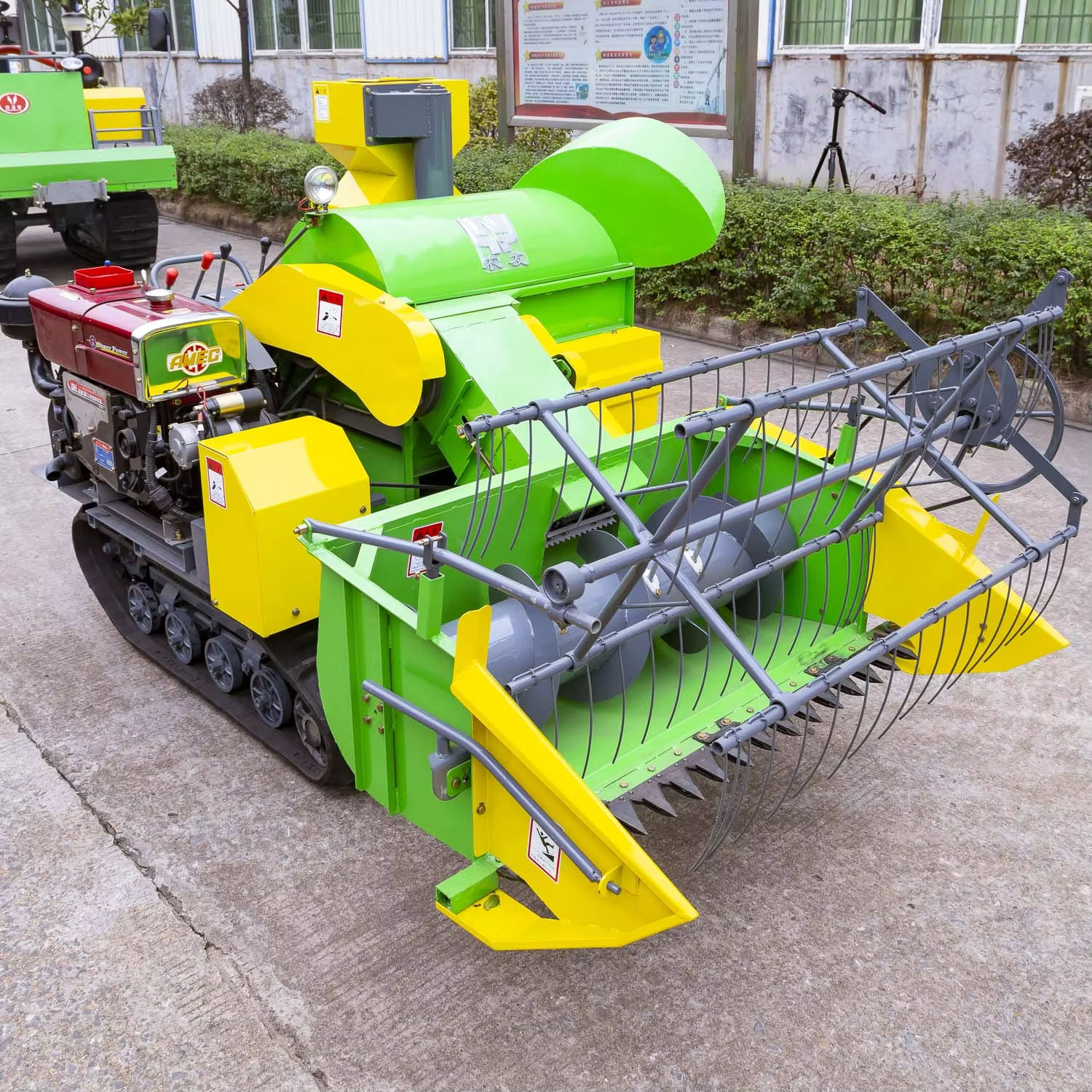
Rice processing efficiency has become a critical factor for agricultural businesses and commercial operations seeking to maximize output while minimizing operational costs. Traditional manual rice processing methods often result in inconsistent quality, high labor costs, and significant time investment that limits overall productivity. Modern agricultural technology has introduced sophisticated solutions that address these challenges through automated systems designed specifically for rice milling operations.
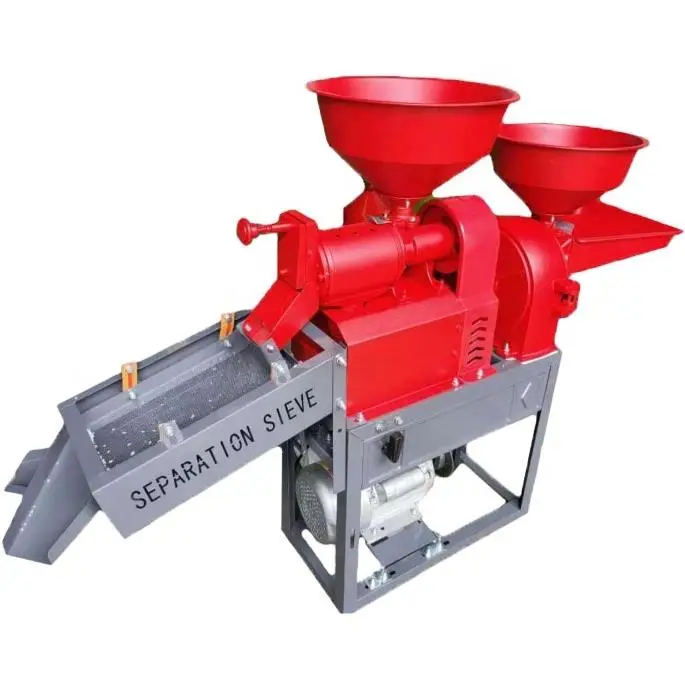
An auto rice mill represents a transformative approach to rice processing that integrates multiple automated functions into a single, streamlined system. These advanced machines eliminate many of the bottlenecks associated with conventional processing methods by incorporating precise mechanical controls, optimized processing sequences, and consistent operational parameters. Understanding how these automated systems enhance processing efficiency requires examining their core mechanisms, operational advantages, and practical applications in various agricultural settings.
Automated Processing Mechanisms That Drive Efficiency
Continuous Feed Systems and Material Handling
The foundation of improved efficiency in an auto rice mill begins with its continuous feed system that eliminates the stop-start cycles common in manual processing operations. Advanced material handling mechanisms automatically regulate the flow of paddy rice through each processing stage, ensuring consistent throughput without operator intervention. This automated feed control prevents overloading or underutilizing the processing chambers, which directly translates to optimal processing speeds and uniform product quality.
Sophisticated sensors integrated into the auto rice mill monitor material flow rates and automatically adjust feed speeds to match the processing capacity of downstream operations. This intelligent coordination between different processing stages eliminates bottlenecks that typically occur when manual coordination fails to maintain proper timing. The result is a seamless processing flow that maximizes the utilization of all system components while preventing the material buildup that can slow down traditional operations.
Precision Control Systems for Optimal Processing Parameters
Modern auto rice mill systems incorporate advanced control technologies that maintain precise processing parameters throughout the entire milling operation. Temperature control systems automatically adjust processing conditions to prevent overheating that can damage rice grains or reduce processing quality. Pressure regulation mechanisms ensure consistent hulling and polishing forces that maximize grain recovery while minimizing breakage rates.
These precision control systems continuously monitor and adjust multiple variables simultaneously, including processing speed, pressure application, and material flow rates. The auto rice mill can automatically compensate for variations in raw material moisture content, grain size distribution, and other factors that would require constant manual adjustments in conventional systems. This automated optimization ensures consistent processing efficiency regardless of input material variations or operating conditions.
Labor Cost Reduction and Operational Streamlining
Minimized Manual Labor Requirements
One of the most significant efficiency improvements delivered by an auto rice mill stems from its dramatic reduction in manual labor requirements. Traditional rice processing operations typically require multiple workers to manage different stages of the milling process, including feeding, monitoring, adjusting parameters, and handling finished products. Automated systems consolidate these functions into integrated operations that can be managed by a single operator or run with minimal supervision.
The labor cost savings extend beyond simple workforce reduction to include improvements in processing consistency and quality control. Human operators in manual systems inevitably introduce variability through inconsistent timing, parameter adjustments, and material handling practices. An auto rice mill eliminates this human variability by maintaining precise, repeatable processing conditions that deliver consistent results regardless of operator experience or attention levels.
Reduced Training and Skill Requirements
Traditional rice milling operations require experienced operators who understand the nuances of different processing stages, material characteristics, and quality control parameters. An auto rice mill significantly reduces these skill requirements by automating the decision-making processes that typically require years of experience to master. Simplified control interfaces allow operators to manage complex processing operations without extensive training periods or specialized technical knowledge.
This reduction in skill requirements not only lowers training costs but also increases operational flexibility by allowing businesses to utilize available workforce more effectively. The standardized operation procedures built into auto rice mill systems ensure consistent processing results regardless of which operator is managing the system, eliminating the quality variations that can occur when different skill levels are involved in the processing operation.
Processing Speed and Throughput Optimization
Continuous Operation Capabilities
An auto rice mill delivers superior processing efficiency through its ability to maintain continuous operation over extended periods without the interruptions common in manual systems. Automated material handling systems ensure consistent feed rates that keep all processing components operating at optimal capacity without the downtime associated with manual loading, unloading, or parameter adjustments. This continuous operation capability can increase daily processing volumes by significant margins compared to traditional batch-processing approaches.
The continuous operation advantage extends to maintenance scheduling and system monitoring, where automated systems can provide early warning indicators for component wear or performance degradation. This predictive maintenance capability allows for scheduled maintenance during planned downtime rather than unexpected shutdowns that can significantly impact processing efficiency. The result is higher overall equipment effectiveness and more predictable production scheduling.
Optimized Processing Sequence Timing
Processing efficiency in an auto rice mill is enhanced through optimized timing sequences that coordinate multiple processing stages for maximum throughput. Advanced control systems calculate optimal processing parameters based on material characteristics and desired output specifications, automatically adjusting timing sequences to achieve the best balance between processing speed and product quality. This optimization eliminates the trial-and-error approach often required in manual operations.
The coordinated timing control ensures that each processing stage operates at its optimal speed without creating bottlenecks or material backups that can reduce overall system efficiency. Automated buffer management between processing stages allows for temporary speed variations without affecting overall throughput, providing operational flexibility while maintaining consistent processing efficiency throughout the entire system.
Quality Control and Waste Reduction Benefits
Consistent Processing Standards
Quality consistency represents a crucial efficiency advantage of auto rice mill systems, as consistent product quality eliminates the rework, sorting, and waste disposal costs associated with variable processing results. Automated control systems maintain precise processing parameters that deliver uniform product specifications regardless of operating duration or external factors that might affect manual operations. This consistency translates directly to efficiency improvements through reduced quality control labor and waste management costs.
The standardized processing approach inherent in auto rice mill operations ensures that product specifications remain within tight tolerances throughout production runs. This consistency eliminates the quality variations that require additional sorting, grading, or reprocessing steps in manual operations, directly improving overall processing efficiency by reducing the total time and resources required to produce finished products meeting target specifications.
Minimized Product Loss and Waste Generation
Advanced auto rice mill systems incorporate precision processing mechanisms that minimize grain breakage, over-processing, and other forms of product loss that commonly occur in manual operations. Automated parameter control prevents the excessive pressure application or processing duration that can damage rice grains, while precise timing control ensures optimal processing without waste-generating over-processing. These improvements directly translate to higher yield efficiency and reduced raw material costs per unit of finished product.
Waste reduction in auto rice mill operations extends to by-product management, where automated systems can optimize the separation and collection of rice bran, broken grains, and other valuable by-products. This efficient by-product recovery creates additional revenue streams while reducing disposal costs, further improving the overall economic efficiency of rice processing operations. The precise control over processing parameters also minimizes the generation of unusable waste materials that create disposal costs and reduce overall processing efficiency.
Energy Efficiency and Resource Optimization
Optimized Power Consumption Management
Modern auto rice mill systems incorporate energy-efficient motors, variable speed drives, and intelligent power management systems that optimize electrical consumption throughout the processing operation. These systems automatically adjust power consumption based on processing loads, material characteristics, and operational requirements, eliminating the energy waste associated with constant maximum-power operation common in older processing equipment. Smart power management can reduce energy costs by substantial percentages while maintaining or improving processing performance.
The energy optimization extends to system coordination, where auto rice mill controls ensure that all processing components operate in harmony to minimize total power consumption. Advanced systems can automatically sequence startup and shutdown procedures to reduce peak power demand charges, while load balancing algorithms distribute processing loads to minimize energy consumption during operation. These energy management features directly contribute to operational efficiency by reducing one of the major ongoing costs associated with rice processing operations.
Resource Utilization and Maintenance Efficiency
An auto rice mill optimizes resource utilization through intelligent system monitoring that tracks component wear, processing efficiency, and maintenance requirements in real-time. Predictive maintenance capabilities allow for optimal scheduling of maintenance activities to minimize downtime while preventing unexpected failures that can significantly impact processing efficiency. This proactive maintenance approach extends equipment life while maintaining peak processing performance throughout the operational lifecycle.
Resource optimization includes automated lubrication systems, wear monitoring sensors, and performance tracking capabilities that ensure all system components operate at optimal efficiency levels. These automated maintenance and monitoring functions reduce the labor costs associated with routine system checks while providing early warning of potential issues that could impact processing efficiency. The result is more predictable operational costs and higher overall system availability for productive processing operations.
FAQ
How much can an auto rice mill increase processing speed compared to manual methods?
An auto rice mill can typically increase processing speed by 300-500% compared to traditional manual methods, depending on the specific system configuration and processing requirements. The continuous operation capability, automated material handling, and optimized processing parameters eliminate the downtime and inefficiencies inherent in manual operations, allowing for consistent high-throughput processing throughout extended operating periods.
What maintenance requirements are needed to maintain efficiency in auto rice mill systems?
Auto rice mill systems require regular preventive maintenance including lubrication of moving parts, cleaning of processing chambers, inspection of wear components, and calibration of control systems. Most modern systems include automated monitoring that provides maintenance alerts and schedules, typically requiring major maintenance every 500-1000 operating hours depending on processing volume and material characteristics. Following manufacturer maintenance schedules ensures optimal efficiency and extends equipment life.
Can auto rice mill systems handle different rice varieties without efficiency losses?
Yes, modern auto rice mill systems include adjustable processing parameters that can be optimized for different rice varieties without significant efficiency losses. Advanced control systems allow for quick parameter changes to accommodate variations in grain size, moisture content, and processing requirements. Many systems include preset configurations for common rice varieties, enabling efficient processing transitions with minimal setup time or efficiency impact.
What are the typical return on investment periods for auto rice mill efficiency improvements?
Return on investment for auto rice mill systems typically ranges from 12-36 months, depending on processing volume, labor costs, and efficiency improvements achieved. The combination of reduced labor costs, increased processing speed, improved product quality, and lower waste generation creates multiple revenue streams and cost savings that accelerate payback periods. Higher volume operations generally achieve faster returns due to the amplified benefits of efficiency improvements across larger processing volumes.
Table of Contents
- Automated Processing Mechanisms That Drive Efficiency
- Labor Cost Reduction and Operational Streamlining
- Processing Speed and Throughput Optimization
- Quality Control and Waste Reduction Benefits
- Energy Efficiency and Resource Optimization
-
FAQ
- How much can an auto rice mill increase processing speed compared to manual methods?
- What maintenance requirements are needed to maintain efficiency in auto rice mill systems?
- Can auto rice mill systems handle different rice varieties without efficiency losses?
- What are the typical return on investment periods for auto rice mill efficiency improvements?