 EN
EN

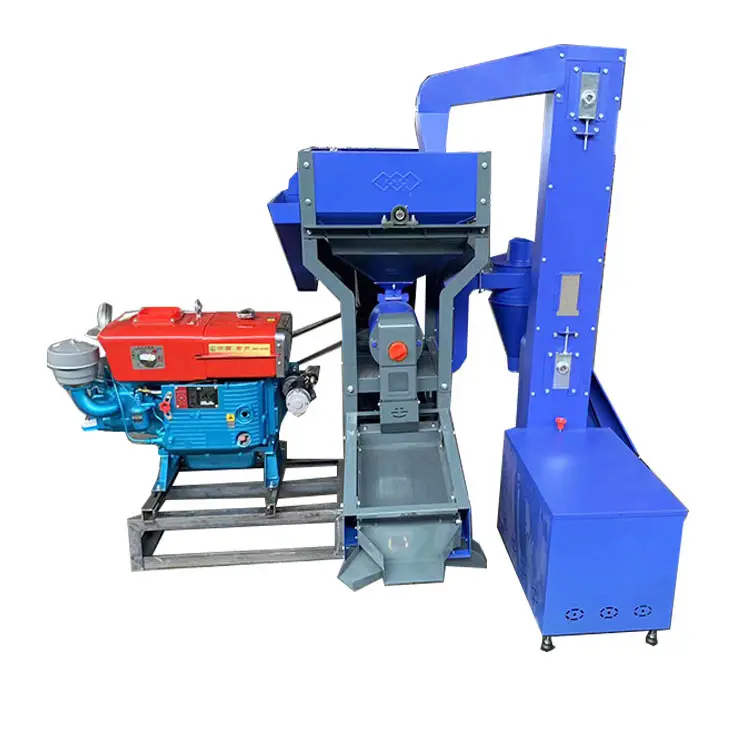
An auto rice mill represents a significant technological advancement in grain processing, fundamentally transforming how rice producers approach milling operations. By automating key processes that traditionally required extensive manual labor, these sophisticated machines deliver substantial reductions in both workforce requirements and overall production expenses. The efficiency gains achieved through automation directly translate into improved profit margins and enhanced competitive positioning in today's demanding agricultural marketplace.
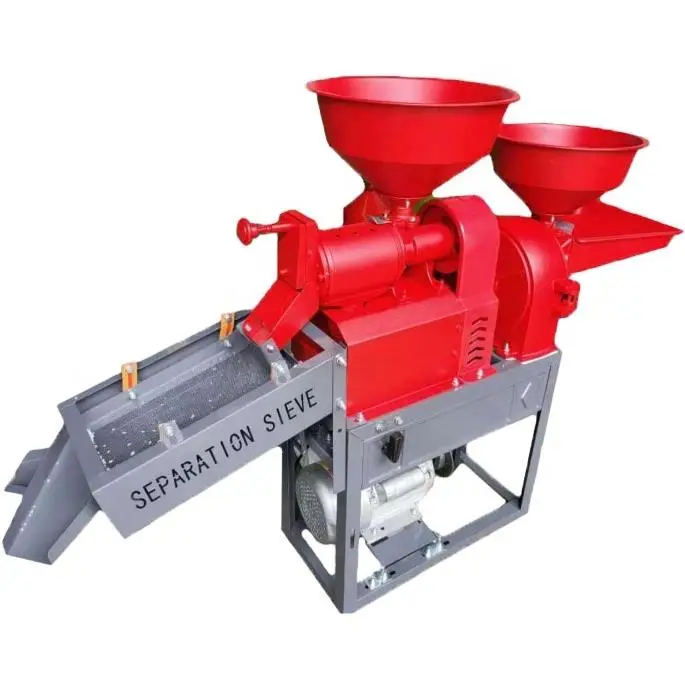
Understanding the specific mechanisms through which an auto rice mill achieves these cost reductions requires examining the intricate relationship between automation technology and traditional milling processes. Modern auto rice mill systems integrate multiple automated functions that eliminate bottlenecks, reduce processing time, and minimize human error, creating a comprehensive solution for cost-conscious rice producers seeking to optimize their operations without compromising product quality.
Automated Processing Mechanisms That Eliminate Manual Labor
Continuous Feed and Material Handling Systems
The auto rice mill incorporates sophisticated continuous feed mechanisms that automatically regulate the flow of paddy rice into the processing chamber. These systems eliminate the need for workers to manually monitor and adjust feeding rates throughout production cycles. Advanced sensors detect material flow rates and automatically adjust feed speeds to maintain optimal processing conditions, ensuring consistent output without human intervention.
Integrated conveyor systems within the auto rice mill transport processed materials between different stages of the milling operation without requiring manual handling. Workers no longer need to physically move rice between cleaning, dehusking, and polishing stations, significantly reducing labor requirements. This automated material handling capability allows a single operator to oversee multiple processing lines that would traditionally require several workers.
The precision control systems in modern auto rice mill equipment automatically adjust processing parameters based on real-time feedback from quality sensors. This eliminates the need for experienced technicians to constantly monitor and manually adjust machine settings throughout production runs, reducing skilled labor requirements while maintaining consistent product quality standards.
Integrated Quality Control and Sorting Functions
Advanced optical sorting technology within auto rice mill systems automatically identifies and removes defective grains, foreign materials, and discolored rice without human inspection. These automated quality control systems process thousands of grains per minute with accuracy levels that exceed manual sorting capabilities, eliminating the need for quality control personnel while improving overall product consistency.
The auto rice mill incorporates automated grading systems that classify processed rice according to predetermined quality parameters without requiring manual evaluation. Digital imaging technology analyzes grain size, shape, and color characteristics to automatically sort rice into different quality grades, streamlining packaging operations and reducing the need for skilled quality assessment personnel.
Automated rejection systems within the auto rice mill immediately divert substandard materials to separate collection areas, preventing contamination of premium-grade rice. This real-time quality management eliminates the need for downstream quality control stations and reduces the labor required for manual inspection and rework processes.
Production Efficiency Gains Through Automation Technology
Increased Processing Speed and Throughput
The auto rice mill achieves significantly higher processing speeds compared to semi-automatic or manual systems through optimized mechanical design and coordinated automation sequences. Synchronized processing stages operate continuously without the delays associated with manual material handling, typically increasing overall throughput by 40-60% compared to conventional milling operations.
Advanced control algorithms in auto rice mill systems optimize processing parameters in real-time to maximize throughput while maintaining quality standards. These systems automatically adjust milling pressure, polishing duration, and cleaning intensity based on incoming grain characteristics, ensuring optimal processing efficiency without requiring operator intervention or experience-based adjustments.
Multi-stage processing within a single auto rice mill unit eliminates the time delays associated with transferring materials between separate machines. Integrated processing reduces handling time and allows for continuous operation with minimal downtime, significantly improving overall production efficiency compared to traditional multi-machine setups requiring extensive coordination.
Reduced Processing Time and Cycle Optimization
Automated process sequencing in auto rice mill systems eliminates the preparation time typically required between processing batches. The machine automatically adjusts settings for different grain varieties and quality requirements, reducing changeover time from hours to minutes and maximizing productive operating time throughout each shift.
Predictive maintenance systems integrated into modern auto rice mill equipment monitor component performance and automatically schedule maintenance activities during planned downtime. This proactive approach prevents unexpected breakdowns that could halt production, ensuring consistent availability and reducing the production delays associated with emergency repairs.
The auto rice mill incorporates energy-efficient processing algorithms that optimize power consumption while maintaining processing speed. Intelligent motor control systems adjust power delivery based on actual load requirements, reducing energy costs per unit of processed rice and improving overall cost efficiency throughout extended production runs.
Direct Labor Cost Reduction Strategies
Workforce Requirements Optimization
Implementation of an auto rice mill typically reduces workforce requirements by 60-70% compared to traditional milling operations. A single trained operator can effectively manage the entire milling process that previously required multiple workers for feeding, monitoring, quality control, and material handling functions, creating substantial ongoing labor cost savings.
The simplified operation of auto rice mill systems reduces the need for highly skilled technicians, allowing facilities to employ operators with basic technical training rather than experienced mill workers. This shift in skill requirements typically results in lower wage costs while maintaining production quality and efficiency standards.
Automated operation capabilities allow auto rice mill systems to operate effectively during night shifts and weekends with minimal supervision. Extended operating hours increase production capacity without proportional increases in labor costs, improving overall cost efficiency and return on investment for milling operations.
Training and Skill Development Efficiencies
The intuitive control interfaces of modern auto rice mill systems significantly reduce training time for new operators compared to complex manual milling processes. Standardized automated procedures eliminate the need for extensive apprenticeships and reduce the time investment required to develop competent operators from months to weeks.
Automated fault detection and diagnostic systems in auto rice mill equipment provide clear guidance for troubleshooting common issues without requiring extensive technical expertise. Built-in diagnostic capabilities reduce the need for specialized maintenance personnel and enable operators to resolve minor problems independently, reducing both training costs and ongoing technical support expenses.
The consistency of automated processes in auto rice mill operations reduces the variability in operator performance that typically affects production quality in manual systems. Standardized automated procedures ensure consistent output regardless of individual operator skill levels, reducing quality-related rework costs and improving overall production efficiency.
Energy and Operational Cost Benefits
Power Consumption Optimization
Modern auto rice mill systems incorporate variable speed drive technology that automatically adjusts motor speeds based on actual processing loads, typically reducing energy consumption by 25-35% compared to fixed-speed conventional mills. Intelligent power management systems ensure optimal energy utilization throughout varying production demands without compromising processing quality or speed.
The integrated design of auto rice mill systems eliminates the energy losses associated with multiple separate machines and material transfer systems. Consolidated processing reduces overall power requirements while improving energy efficiency through optimized mechanical design and reduced friction losses throughout the milling process.
Automated load balancing in auto rice mill operations prevents energy waste from operating equipment at suboptimal capacity levels. Smart control systems automatically adjust processing parameters to maintain efficient energy utilization, reducing per-unit energy costs and improving overall operational profitability.
Maintenance and Downtime Cost Reduction
Predictive maintenance capabilities integrated into auto rice mill systems monitor component wear patterns and operating parameters to schedule maintenance activities before failures occur. This proactive approach typically reduces maintenance costs by 30-40% compared to reactive maintenance strategies while preventing costly production interruptions.
The precision control systems in auto rice mill equipment reduce mechanical stress and component wear through optimized operation parameters. Automated adjustment of processing forces and speeds based on material characteristics extends component life and reduces replacement part costs compared to manually operated systems with inconsistent operating conditions.
Automated diagnostic systems provide detailed performance data that enables targeted maintenance activities, reducing unnecessary service interventions and minimizing maintenance labor costs. Real-time monitoring capabilities help identify specific components requiring attention, improving maintenance efficiency and reducing overall service expenses.
Return on Investment Analysis
Initial Investment Recovery Timeline
The typical payback period for an auto rice mill investment ranges from 18-24 months, depending on production volume and local labor costs. Higher-volume operations generally achieve faster investment recovery due to greater absolute labor cost savings and increased production efficiency benefits that compound over time.
Labor cost savings represent the primary driver of investment recovery for auto rice mill systems, typically accounting for 60-70% of total cost reduction benefits. Energy savings, reduced maintenance costs, and improved product quality contribute additional value that accelerates the return on investment timeline for most milling operations.
The scalability of auto rice mill systems allows for expanded production capacity without proportional increases in operational costs, creating additional revenue opportunities that enhance overall investment returns. Increased processing capability enables mills to serve larger markets and capture additional business opportunities that justify the initial technology investment.
Long-term Profitability Enhancement
Auto rice mill systems provide sustained competitive advantages through consistent cost reductions that compound annually over the equipment lifecycle. Lower operational costs enable more competitive pricing strategies while maintaining healthy profit margins, supporting long-term business growth and market expansion opportunities.
The improved product consistency achieved through auto rice mill automation enhances customer satisfaction and supports premium pricing strategies for high-quality rice products. Consistent quality reduces customer complaints and returns while building brand reputation that supports sustainable profitability growth.
Automated documentation and traceability features in modern auto rice mill systems support quality certification and regulatory compliance requirements that enable access to premium market segments. Enhanced quality assurance capabilities create opportunities for value-added product lines that generate higher profit margins compared to commodity rice sales.
FAQ
What is the typical labor reduction achieved with an auto rice mill?
An auto rice mill typically reduces workforce requirements by 60-70% compared to traditional manual or semi-automatic milling operations. Most facilities can operate effectively with a single trained operator managing the entire process that previously required multiple workers for feeding, monitoring, quality control, and material handling.
How much energy does an auto rice mill save compared to conventional systems?
Auto rice mill systems typically achieve energy savings of 25-35% compared to conventional milling equipment through variable speed drive technology, optimized processing parameters, and integrated design that eliminates energy losses from multiple separate machines and material transfer systems.
What is the expected payback period for investing in an auto rice mill?
The typical payback period for an auto rice mill investment ranges from 18-24 months, depending on production volume and local labor costs. Higher-volume operations generally achieve faster investment recovery due to greater absolute cost savings from reduced labor requirements and increased production efficiency.
Can an auto rice mill handle different varieties of rice effectively?
Yes, modern auto rice mill systems incorporate programmable control systems that automatically adjust processing parameters for different rice varieties and quality requirements. The automated changeover capability reduces setup time between different grain types from hours to minutes while maintaining optimal processing conditions for each variety.