 EN
EN

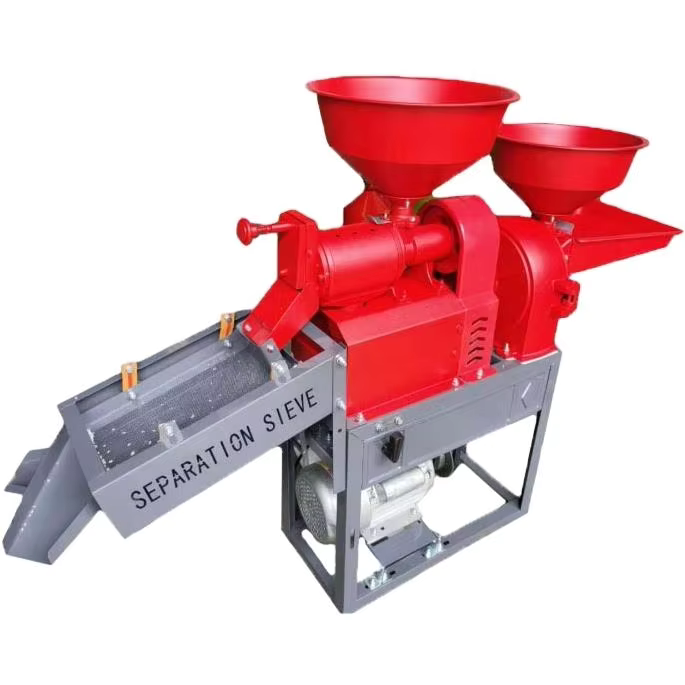
Modern agricultural operations face unprecedented pressure to deliver consistent, high-quality rice output while managing labor costs and operational efficiency. The shift toward automated processing solutions has fundamentally transformed how farms approach rice milling, with auto rice mills emerging as the preferred technology for achieving reliable production standards. This preference stems from the critical need to maintain uniform grain quality, reduce processing variability, and meet increasingly stringent market demands for consistent rice products.
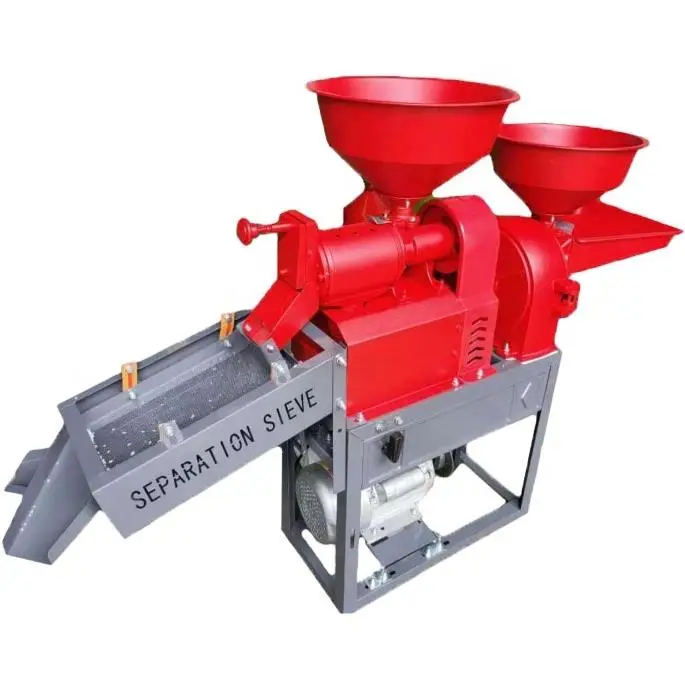
The adoption of auto rice mills represents a strategic response to the limitations of manual and semi-automated processing systems that struggle to deliver the consistency required in today's competitive agricultural markets. These automated systems eliminate human error variables while providing precise control over milling parameters, resulting in uniform output that meets both domestic and export quality standards. Understanding why farms increasingly choose auto rice mills reveals the economic and operational advantages that drive this technological transition.
Precision Control Eliminates Processing Variability
Automated Parameter Management
Auto rice mills excel at maintaining precise control over critical milling parameters that directly impact output consistency. The automated systems continuously monitor and adjust pressure settings, rotation speeds, and processing duration to ensure each batch receives identical treatment. This level of precision control is impossible to achieve with manual operations, where human operators inevitably introduce variations based on fatigue, experience levels, and subjective judgment calls.
The sophisticated control systems in auto rice mills utilize sensors and feedback mechanisms to detect deviations from optimal processing conditions and make real-time corrections. This automated parameter management ensures that grain breakage rates remain consistent, whiteness levels stay uniform, and moisture content adjustments occur precisely according to predetermined specifications. Farms rely on this precision to produce rice that meets exact buyer requirements batch after batch.
Standardized Processing Cycles
Consistency in rice processing depends heavily on maintaining standardized cycles that treat every grain batch identically. Auto rice mills achieve this through programmed processing sequences that eliminate the variability inherent in manual operations. Each cycle follows the exact same timing, pressure application, and separation procedures, resulting in uniform output characteristics that manual systems cannot match.
The standardized processing cycles enabled by auto rice mills also extend to quality control checkpoints built into the automated sequence. These systems perform consistent quality assessments at predetermined intervals, ensuring that any deviations from quality standards are detected and corrected before they affect the final product. This systematic approach to processing standardization gives farms confidence in their ability to deliver consistent output regardless of operator changes or production volume fluctuations.
Enhanced Efficiency Drives Operational Consistency
Reduced Labor Dependencies
Modern farms prefer auto rice mills because these systems significantly reduce dependencies on skilled labor while maintaining consistent output quality. Traditional milling operations require experienced operators who understand the nuances of grain processing, but finding and retaining such skilled workers has become increasingly challenging. Auto rice mills address this challenge by automating the decision-making processes that previously relied on human expertise and judgment.
The reduced labor dependency offered by auto rice mills translates directly into more consistent operations. When processing quality depends less on individual operator skills and more on programmed automation, farms experience fewer quality variations caused by human factors. This reliability becomes especially important during peak processing seasons when farms need to maintain high output volumes without compromising consistency standards.
Continuous Operation Capabilities
Auto rice mills enable farms to achieve consistent output through extended operational periods that manual systems cannot sustain. These automated systems can operate continuously for hours without the performance degradation that affects human operators, maintaining the same processing quality throughout extended production runs. This capability proves essential for farms processing large volumes or operating under tight delivery schedules.
The continuous operation capabilities of auto rice mills also contribute to consistency by minimizing the start-stop cycles that can introduce variability in manual processing systems. When systems operate continuously under automated control, they maintain stable processing conditions that produce more uniform results. Farms benefit from this operational stability through reduced quality variations and improved predictability in their rice output characteristics.
Quality Control Integration Ensures Uniform Standards
Real-Time Monitoring Systems
Auto rice mills incorporate sophisticated monitoring systems that continuously assess output quality and make immediate adjustments to maintain consistency standards. These real-time monitoring capabilities detect variations in grain size, breakage rates, and whiteness levels as they occur, enabling instant corrections that prevent quality deviations from accumulating. Manual systems cannot match this level of continuous quality oversight.
The integration of real-time monitoring in auto rice mills provides farms with immediate feedback on processing effectiveness and output quality trends. This information enables proactive adjustments that maintain consistent quality rather than reactive corrections after quality problems have already affected significant quantities of rice. Farms value this predictive quality management capability for its role in ensuring consistent output that meets buyer specifications.
Automated Sorting and Grading
Consistent output from auto rice mills extends beyond the milling process to include automated sorting and grading functions that ensure uniform final products. These systems use optical sensors and mechanical separation techniques to categorize rice grains according to predetermined quality criteria, eliminating the subjective variations that occur with manual sorting processes.
The automated sorting and grading capabilities built into modern auto rice mills enable farms to produce consistently graded rice that meets specific market requirements. This automation ensures that grain size distributions, broken grain percentages, and color uniformity remain consistent across different production batches. Farms rely on this automated quality control to maintain their reputation for delivering consistent rice products to buyers who demand reliability in their supply chains.
Economic Advantages Support Consistent Production
Predictable Operating Costs
Auto rice mills provide farms with predictable operating costs that support consistent production planning and pricing strategies. Unlike manual operations where labor costs can vary based on availability and skill levels, automated systems operate with known energy consumption patterns and maintenance requirements that enable accurate cost forecasting. This predictability helps farms maintain consistent profit margins while ensuring steady output quality.
The predictable operating costs associated with auto rice mills also extend to reduced waste and improved yield consistency. Automated systems optimize processing parameters to minimize grain breakage and maximize usable output, resulting in more consistent yields from raw rice inputs. Farms appreciate this economic stability because it enables better financial planning and more competitive pricing for their consistent rice output.
Reduced Processing Losses
Modern farms choose auto rice mills because these systems consistently minimize processing losses through precise control over milling operations. Automated systems optimize pressure application and processing duration to reduce grain breakage while maintaining desired whiteness levels, resulting in higher yields of premium-grade rice. This consistency in processing efficiency translates directly into more predictable revenue from rice production operations.
The reduced processing losses achieved by auto rice mills contribute to consistent output by ensuring that yield variations don't force farms to adjust their processing strategies mid-season. When systems consistently produce high yields with minimal waste, farms can maintain steady production schedules and deliver consistent quantities to buyers. This operational reliability becomes a competitive advantage in markets where consistent supply relationships are valued.
Market Demands Drive Automation Adoption
Buyer Quality Expectations
Rice buyers increasingly demand consistent quality standards that can only be achieved through automated processing systems like auto rice mills. These buyers require uniform grain characteristics, consistent moisture levels, and predictable broken grain percentages that manual processing systems struggle to deliver reliably. Farms recognize that meeting these demanding quality expectations requires the precision and consistency that auto rice mills provide.
The escalating buyer quality expectations driving auto rice mill adoption also include requirements for traceability and quality documentation that automated systems can provide. Modern auto rice mills generate detailed processing records that demonstrate consistent adherence to quality protocols, giving buyers confidence in the reliability of the rice they purchase. Farms use this documentation capability to build stronger relationships with quality-conscious buyers.
Export Market Requirements
Export markets impose particularly stringent consistency requirements that make auto rice mills essential for farms seeking to compete internationally. These markets demand rice that meets precise specifications for grain size, whiteness, and moisture content, with minimal tolerance for batch-to-batch variations. Auto rice mills enable farms to consistently meet these exacting standards while maintaining the production volumes needed for profitable export operations.
The export market requirements that favor auto rice mills also include compliance with international food safety and quality standards that require documented processing consistency. Automated systems provide the control and documentation needed to demonstrate compliance with these standards, enabling farms to access premium export markets that value consistency and reliability in their rice suppliers.
FAQ
How do auto rice mills maintain consistent output quality across different rice varieties?
Auto rice mills maintain consistent output quality across different rice varieties through programmable processing parameters that can be adjusted for specific grain characteristics. The automated systems store processing profiles for different varieties and automatically adjust pressure, speed, and timing to optimize results for each type of rice. This variety-specific processing capability ensures consistent quality regardless of the input grain type.
What specific consistency advantages do auto rice mills offer over semi-automated systems?
Auto rice mills provide superior consistency compared to semi-automated systems by eliminating human intervention points where variability can be introduced. While semi-automated systems still require operator decisions for quality control and parameter adjustments, fully automated systems make these decisions based on sensor data and programmed algorithms. This automation reduces quality variations and ensures more predictable output characteristics.
Can auto rice mills maintain consistent performance during high-volume processing periods?
Auto rice mills excel at maintaining consistent performance during high-volume processing periods because they operate without the fatigue and performance degradation that affects manual systems. The automated controls maintain the same precision and attention to quality parameters regardless of processing duration or volume, ensuring that output quality remains consistent even during peak production demands.
How do auto rice mills ensure consistent moisture content in processed rice?
Auto rice mills ensure consistent moisture content through integrated monitoring systems that continuously measure grain moisture levels and automatically adjust processing parameters accordingly. These systems can modify airflow, processing duration, and separation techniques in real-time to achieve target moisture levels consistently across different batches, eliminating the variations that occur with manual moisture management approaches.
Table of Contents
- Precision Control Eliminates Processing Variability
- Enhanced Efficiency Drives Operational Consistency
- Quality Control Integration Ensures Uniform Standards
- Economic Advantages Support Consistent Production
- Market Demands Drive Automation Adoption
-
FAQ
- How do auto rice mills maintain consistent output quality across different rice varieties?
- What specific consistency advantages do auto rice mills offer over semi-automated systems?
- Can auto rice mills maintain consistent performance during high-volume processing periods?
- How do auto rice mills ensure consistent moisture content in processed rice?