 EN
EN

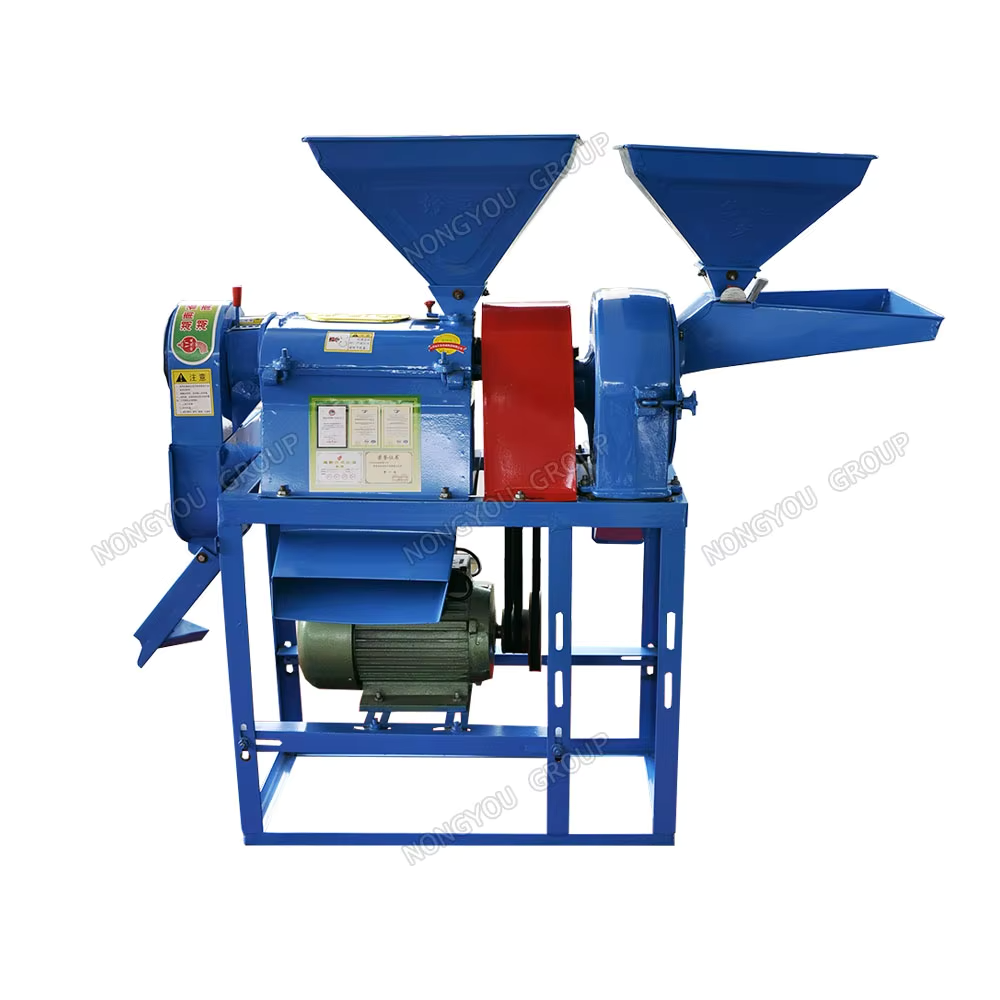
Selecting the right auto rice mill requires careful evaluation of multiple technical and operational factors that directly impact processing efficiency, grain quality, and long-term profitability. Modern auto rice mills incorporate sophisticated automation systems that handle dehusking, whitening, and sorting processes with minimal manual intervention, making the selection process more complex than traditional milling equipment.
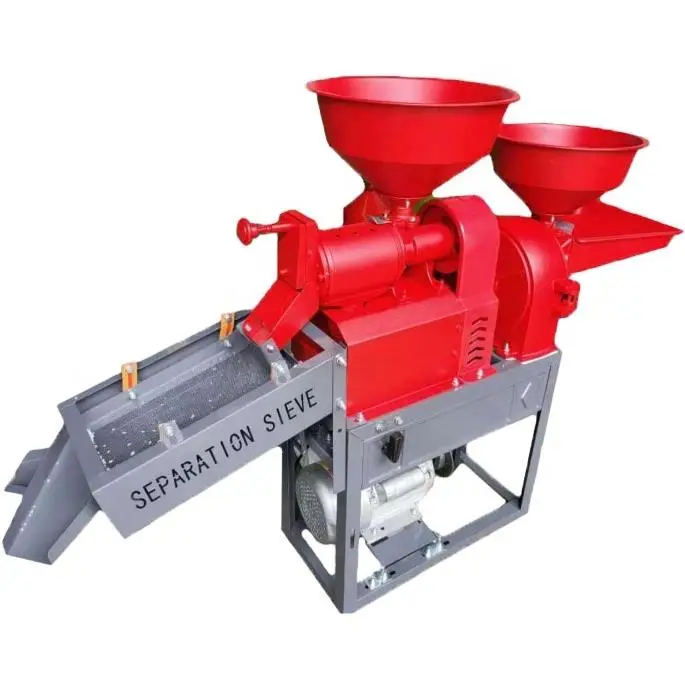
The decision to invest in an auto rice mill involves analyzing production requirements, processing capacity needs, quality specifications, and operational constraints specific to each milling operation. Understanding these critical considerations ensures buyers make informed decisions that align with their business objectives and deliver optimal return on investment.
Processing Capacity and Production Requirements
Daily Output Specifications
The processing capacity of an auto rice mill must align with actual production demands to avoid underutilization or bottlenecks. Most auto rice mills range from small-scale units processing 100-500 kg per hour to large industrial systems handling several tons hourly. Buyers should calculate their daily processing requirements based on raw paddy availability, market demand, and storage capacity.
Seasonal variations in paddy supply significantly impact capacity planning decisions. During harvest seasons, mills may need to process larger volumes quickly, while off-season operations might require flexibility to handle smaller batches efficiently. An appropriately sized auto rice mill maintains consistent throughput without compromising grain quality or energy efficiency.
Scalability and Future Expansion
Forward-thinking buyers evaluate the expandability potential of their auto rice mill selection. Modular designs allow for capacity increases through additional processing units or upgraded components without complete system replacement. This scalability consideration becomes crucial for growing operations or mills serving expanding agricultural regions.
The integration capabilities with existing infrastructure also influence capacity planning. Auto rice mill systems should accommodate current storage facilities, power supply limitations, and transportation logistics while providing room for future enhancements.
Technical Specifications and Automation Features
Control System Sophistication
Modern auto rice mill systems incorporate programmable logic controllers (PLCs) that manage multiple processing stages automatically. These control systems monitor dehusking pressure, whitening duration, separation efficiency, and quality parameters in real-time. Buyers should evaluate the user interface complexity and operator training requirements for different automation levels.
Advanced auto rice mill models feature touchscreen controls with preset programs for different rice varieties and quality grades. The ability to store multiple processing profiles enables operators to switch between production requirements quickly, maintaining consistency across different batches and customer specifications.
Sensor Integration and Monitoring
Quality monitoring sensors within an auto rice mill provide continuous feedback on moisture content, broken grain percentage, and foreign matter detection. These sensors trigger automatic adjustments to processing parameters, ensuring consistent output quality without constant manual oversight. Buyers should prioritize systems with comprehensive sensor networks for critical quality control points.
Remote monitoring capabilities allow mill operators to track performance metrics, maintenance schedules, and production statistics from mobile devices or computer interfaces. This connectivity enhances operational efficiency and enables predictive maintenance strategies that minimize unexpected downtime.
Quality Control and Output Standards
Grain Breakage Minimization
The ability of an auto rice mill to minimize grain breakage directly affects product value and market acceptance. Different processing techniques, roller configurations, and pressure controls influence breakage rates. Buyers should examine breakage specifications for their target rice varieties and compare performance data across different auto rice mill models.
Gentle handling mechanisms, such as pneumatic conveying systems and cushioned transitions between processing stages, contribute to lower breakage rates. The investment in higher-quality components that reduce grain damage often translates to improved product pricing and customer satisfaction over the equipment's operational life.
Whiteness and Polish Consistency
Consistent whiteness levels across production batches require precise control of abrasive pressure and processing duration within the auto rice mill. Variable whitening systems allow operators to adjust polish levels according to market preferences and quality standards. This flexibility becomes essential when serving diverse customer segments with different rice quality requirements.
Color sorting integration within auto rice mill systems removes discolored grains, foreign particles, and defective kernels automatically. This sorting capability enhances final product quality and reduces manual sorting labor costs significantly.
Energy Efficiency and Operating Costs
Power Consumption Analysis
Energy efficiency considerations significantly impact the long-term operating costs of an auto rice mill. Variable frequency drives (VFDs) on motors allow speed optimization based on processing requirements, reducing unnecessary power consumption during lighter loads. Buyers should compare specific energy consumption rates across different auto rice mill models.
Heat recovery systems in advanced auto rice mill designs capture waste heat from processing operations for grain drying or facility heating. These integrated energy management features reduce overall operational costs and improve environmental sustainability metrics.
Maintenance Requirements and Accessibility
Regular maintenance accessibility affects both operational uptime and service costs for auto rice mill systems. Easily accessible wear components, such as rubber rollers and screens, enable quick replacements without extensive disassembly. Buyers should evaluate maintenance schedules, spare parts availability, and technical support infrastructure when comparing options.
Predictive maintenance features in modern auto rice mill systems monitor component wear patterns and alert operators before failures occur. This proactive approach minimizes unplanned downtime and optimizes maintenance resource allocation.
Installation and Integration Considerations
Space Requirements and Layout
The physical footprint of an auto rice mill system must fit within existing facility constraints while allowing adequate space for material handling, maintenance access, and safety compliance. Compact vertical designs maximize processing capacity within limited floor space, while horizontal configurations may offer easier maintenance access.
Integration with existing grain handling equipment requires careful coordination of conveyor systems, storage bins, and cleaning equipment. The auto rice mill should complement current workflow patterns without creating bottlenecks or requiring extensive facility modifications.
Utility Infrastructure Requirements
Power supply specifications, including voltage requirements and phase configurations, must match available electrical infrastructure. Some auto rice mill systems require specialized electrical installations or backup power systems to maintain consistent operation during utility interruptions.
Compressed air systems, dust collection requirements, and water supply connections represent additional infrastructure considerations. Buyers should evaluate total utility costs and infrastructure modifications needed for proper auto rice mill operation.
FAQ
What capacity range should buyers consider for commercial auto rice mill operations?
Commercial auto rice mill capacity should align with daily paddy procurement and market demand patterns. Small commercial operations typically require 200-500 kg/hour capacity, while medium-scale mills need 1-3 tons/hour, and large operations may require 5+ tons/hour processing capability.
How do automation features affect the total cost of ownership for an auto rice mill?
Advanced automation reduces labor costs and improves consistency but increases initial investment and maintenance complexity. The payback period typically ranges from 2-4 years depending on production volume, labor savings, and quality improvements achieved through automated processing controls.
What quality certifications should buyers verify when selecting an auto rice mill manufacturer?
Buyers should verify ISO 9001 quality management certification, CE marking for safety compliance, and food safety certifications like HACCP. Additionally, check for local regulatory compliance and manufacturer warranties that cover both equipment performance and spare parts availability.
How important is local technical support when choosing an auto rice mill supplier?
Local technical support significantly impacts operational uptime and maintenance costs. Suppliers with nearby service centers, trained technicians, and readily available spare parts inventory provide faster response times and lower service costs throughout the equipment's operational life.
Table of Contents
- Processing Capacity and Production Requirements
- Technical Specifications and Automation Features
- Quality Control and Output Standards
- Energy Efficiency and Operating Costs
- Installation and Integration Considerations
-
FAQ
- What capacity range should buyers consider for commercial auto rice mill operations?
- How do automation features affect the total cost of ownership for an auto rice mill?
- What quality certifications should buyers verify when selecting an auto rice mill manufacturer?
- How important is local technical support when choosing an auto rice mill supplier?